
Jul 30
Jul 30
Jul 29
Jul 22
Jul 19
Jul 17
Sensitive teeth can turn a basic oral hygiene routine into a painful experience. Whether triggered by cold water, sweet foods, or even brushing itself, tooth sensitivity often signals underlying enamel erosion or exposed dentin. Brushing the wrong way — with hard bristles, aggressive pressure, or incorrect techniques — can worsen the issue. This article explores expert-recommended methods for brushing when you have sensitive teeth, including choosing the right toothbrush, modifying your technique, and integrating smart tools like BrushO to ensure safe and effective oral care.
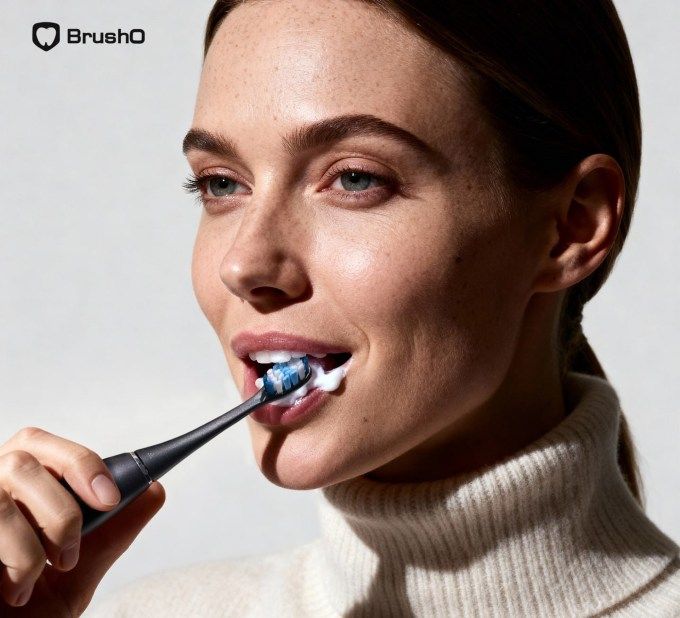
Tooth sensitivity occurs when dentin — the porous layer beneath your enamel — becomes exposed. This can be caused by:
• Worn enamel due to aggressive brushing
• Gum recession exposing root surfaces
• Acidic diet eroding protective layers
• Teeth grinding or clenching
• Overuse of whitening products or abrasive toothpaste
Brushing improperly can exacerbate these causes, creating a cycle of pain and damage.
If you have sensitive teeth, brushing mistakes can do more harm than good. Common errors include:
• Using a hard-bristled brush: This can scratch enamel and aggravate gums.
• Brushing too aggressively: Excessive force wears enamel and contributes to gum recession.
• Cold water brushing: Can trigger sharp, temporary pain.
• Wrong toothpaste choice: Some pastes are too abrasive for delicate enamel.
• Soft or ultra-soft bristles are essential. They clean effectively without damaging enamel.
• Electric toothbrushes with sensitivity settings are highly recommended — BrushO, for example, offers a “Gentle Mode” designed specifically for sensitive users.
• Hold your brush at a 45-degree angle to the gumline.
• Use gentle circular motions, not scrubbing back-and-forth.
• Apply minimal pressure — let the brush do the work.
• Brush for 2 full minutes, dividing time evenly across quadrants.
• Look for toothpaste containing potassium nitrate or stannous fluoride, which help block pain signals and strengthen enamel.
• Use lukewarm water when rinsing or brushing — especially important in winter months.
BrushO’s AI-powered technology ensures a customized brushing experience for sensitive users:
• Pressure sensors alert you if you’re brushing too hard.
• Real-time guidance corrects aggressive motions.
• Gentle Mode optimizes speed and vibrations for comfortable cleaning.
• Brushing heatmaps helps identify problem areas while avoiding overbrushing.
• Daily brushing score motivates gentle, consistent care.
BrushO users with sensitive teeth report fewer flare-ups and better long-term comfort.
• Avoid acidic drinks before and after brushing.
• Use a mouthguard at night if you grind your teeth.
• Don’t brush right after eating acidic foods — wait 30 minutes.
• Visit your dentist regularly to address any underlying causes like gum recession or decay.
Brushing sensitive teeth requires more than just a light touch — it requires the right tools, techniques, and awareness. Switching to a soft-bristled, AI-guided toothbrush like BrushO can dramatically improve your comfort and long-term oral health. With consistent, gentle brushing and proper care, sensitive teeth can be managed effectively without pain or damage.
Jul 30
Jul 30
Jul 29
Jul 22
Jul 19
Jul 17

If you are thirsty after brushing, choose plain water. Plan your usual bedtime drink before brushing and skip the immediate rinse at the sink.

Waterpik recommends warm water for its flossers. Check your own model and use comfortably lukewarm water if cold water feels sharp.

Let an intact handle return to room temperature before you consider charging it. Check your manual and watch for signs of battery or housing damage.

Lift away the paste, check the care label, and use cool water on washable fabric. Here is a quick approach for a fresh spot.

Turn the brush off, then check the fit, the connection, and the condition of the head. A second compatible head can help you narrow it down.

Look for a clean, rigid container with a secure lid and keep it with your belongings. A napkin on a lunch tray is easy to clear away.

Check the care directions for your clear retainer. Clinics give different instructions, and the right cleaning method depends on the appliance you received.

Try a gentle rinse first. If the hull sits between teeth and floss moves freely, make a careful pass and stop if it still feels stuck.

A tight gap or rough edge can catch floss. Notice where it snags, keep the movement gentle, and find out when to ask your dentist to check.

Your first sip can taste sharp after brushing. Here is what may be changing and how to make breakfast taste like breakfast again.

BrushO AI電動歯ブラシは、リアルタイムのブラッシングガイド、圧力フィードバック、磨き残しの確認、アプリでの進捗レポートにより、毎日のケアをより清潔にサポートします。


Address: RM 1427, 14/F RADIO CITY 505, HENNESSY RD CAUSEWAY BAY, HONG KONG
Code: 000000
Phone: +852-53758652
Email: customerservice@brusho.com