
Jul 30
Jul 30
Jul 29
Jul 22
Jul 19
Jul 17
Brushing your teeth for two minutes isn’t a marketing gimmick — it’s a scientifically backed recommendation for effective plaque removal and long-term oral health. You’ve probably heard your dentist say it countless times: brush for two full minutes. But why two minutes? Is it arbitrary, or does it actually make a difference? The answer lies in years of research in dental science. A two-minute brushing routine allows enough time for thorough plaque removal across all surfaces of your teeth — especially the hard-to-reach back molars and gumlines. It ensures fluoride in your toothpaste has sufficient contact time to strengthen enamel and reduce decay. In this article, we’ll explore the science behind this “golden number,” why shorter or longer isn’t necessarily better, and how smart toothbrushes like BrushO are helping users stick to this ideal timing effortlessly.
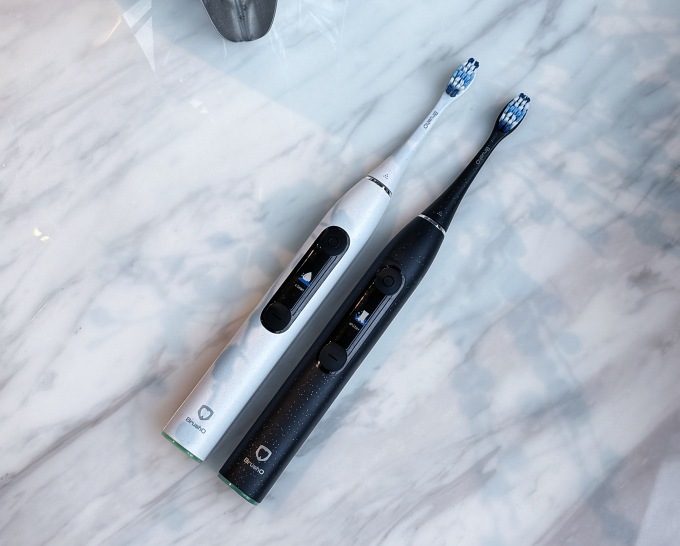
The two-minute brushing time recommendation isn’t just a guideline — it’s grounded in science. Studies published by the Journal of Dental Research and the American Dental Association (ADA) show that:
• Brushing for less than 2 minutes typically removes only 26% of plaque.
• Brushing for 2 minutes increases plaque removal up to 41%.
• Going beyond 2 minutes doesn’t significantly improve cleaning, and may lead to enamel abrasion if brushing is too aggressive.
In other words, 2 minutes is the optimal duration for efficient plaque removal without harming your enamel or gums.
To brush effectively, your mouth should be divided into four quadrants: upper left, upper right, lower left, and lower right. Two minutes allows about 30 seconds per quadrant, giving you time to:
• Angle the brush correctly along the gum line (45 degrees)
• Focus on both the chewing surfaces and inner-facing surfaces
• Use short, gentle strokes — not scrubbing motions
Without this time breakdown, most people tend to miss consistent areas, particularly the inside surfaces of lower front teeth and the molars.
Let’s be honest — most people think they’re brushing for 2 minutes, but in reality, they stop at 45 seconds or 1 minute. That’s where smart toothbrushes like BrushO shine.
✨ BrushO’s built-in timer ensures you hit the full two minutes with helpful pacing alerts every 30 seconds.
📊 Real-time brushing feedback guides you if you’re rushing or skipping a quadrant.
📱 Brushing analytics via the BrushO App shows your actual brushing time — no guesswork.
This tech removes the guesswork and turns the 2-minute goal into a daily habit.
It’s tempting to think brushing longer is better. But research shows overbrushing, especially with too much pressure, can cause:
• Gum recession
• Tooth sensitivity
• Enamel wear
BrushO’s pressure sensors alert you when you’re pressing too hard, so even if you go over two minutes, you’re still brushing safely.
The two-minute target only works if it becomes a consistent routine. Brushing for the right duration once in a while won’t protect your teeth long-term.
BrushO’s Brush & Earn program gamifies this habit. By completing daily brushing sessions, users earn rewards while reinforcing healthy routines. You’re not just brushing — you’re building a sustainable oral health habit.
✅ 2 minutes is the sweet spot — not too short, not too long
✅ Allows enough time to cover all quadrants and gumlines
✅ Ensures fluoride has optimal contact time
✅ BrushO uses tech to make this routine effortless and measurable
Nov 11
Nov 11
Jul 30
Jul 30
Jul 29
Jul 22
Jul 19
Jul 17

If you are thirsty after brushing, choose plain water. Plan your usual bedtime drink before brushing and skip the immediate rinse at the sink.

Waterpik recommends warm water for its flossers. Check your own model and use comfortably lukewarm water if cold water feels sharp.

Let an intact handle return to room temperature before you consider charging it. Check your manual and watch for signs of battery or housing damage.

Lift away the paste, check the care label, and use cool water on washable fabric. Here is a quick approach for a fresh spot.

Turn the brush off, then check the fit, the connection, and the condition of the head. A second compatible head can help you narrow it down.

Look for a clean, rigid container with a secure lid and keep it with your belongings. A napkin on a lunch tray is easy to clear away.

Check the care directions for your clear retainer. Clinics give different instructions, and the right cleaning method depends on the appliance you received.

Try a gentle rinse first. If the hull sits between teeth and floss moves freely, make a careful pass and stop if it still feels stuck.

A tight gap or rough edge can catch floss. Notice where it snags, keep the movement gentle, and find out when to ask your dentist to check.

Your first sip can taste sharp after brushing. Here is what may be changing and how to make breakfast taste like breakfast again.

Lo spazzolino elettrico BrushO con IA offre guida in tempo reale, feedback sulla pressione, monitoraggio della copertura e report di progresso nell’app per una routine quotidiana più pulita.
Lo spazzolino elettrico BrushO con IA offre guida in tempo reale, feedback sulla pressione, monitoraggio della copertura e report di progresso nell’app per una routine quotidiana più pulita.


Address: RM 1427, 14/F RADIO CITY 505, HENNESSY RD CAUSEWAY BAY, HONG KONG
Code: 000000
Phone: +852-53758652
Email: customerservice@brusho.com