
Jul 30
Jul 30
Jul 29
Jul 22
Jul 19
Jul 17
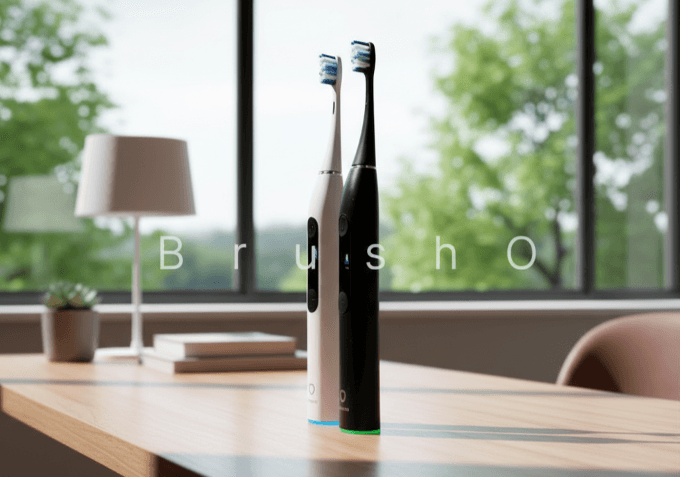
When people think about whiter teeth, they often turn to whitening strips, LED kits, or bleaching treatments. But what if the first step to a whiter smile starts with how you brush? Smart toothbrushes—like BrushO—are transforming the daily brushing routine into a data-driven system that helps remove surface stains more consistently and thoroughly than manual brushing ever could. This article explores how smart brushing contributes to naturally whiter teeth, why brushing technique matters more than toothpaste, and how AI-powered tools personalize care for lasting results.
Most people assume whitening = chemicals or whitening toothpaste. But the reality is:
• 90% of tooth discoloration starts with surface stains from food, drink, and plaque buildup.
• These stains are best removed before they set, through daily brushing.
• Even the best whitening product won’t be effective if plaque covers the enamel.
Smart brushing enhances plaque removal, stain prevention, and targeted coverage—making it the foundation for natural whitening.
BrushO uses AI to divide the mouth into 6 zones and 16 surfaces, ensuring you never over-brush some areas and neglect others. This balanced coverage prevents:
• Yellow patches near the gumline
• Missed back molars with stain buildup
• Uneven wear of enamel
Consistent brushing in all zones = consistent stain removal.
Brushing too hard can erode enamel, making teeth appear:
• Dull or translucent
• More yellow (as dentin shows through)
Smart toothbrushes like BrushO detect when users apply too much pressure and guide them in real-time to adjust. This helps preserve the natural luster and reflectivity of teeth.
It’s not enough to brush for 2 minutes. It’s about:
• Consistency
• Coverage
• Correct motion
BrushO provides feedback after every brushing session with:
• Coverage scores
• Surface-by-surface analysis
• Improvement tips
Over time, these help users form lasting techniques that improve both cleanliness and aesthetics.
Not every user needs the same brushing pattern. BrushO’s AI:
• Learns which zones you consistently under-brush
• Detects where stain accumulation is more common
• Adjusts reminders and scoring to guide your progress
This personalized feedback loop leads to visibly cleaner—and whiter—teeth within weeks.
Whitening toothpaste often contains:
• Abrasives (which can wear enamel)
• Peroxide (which may irritate gums)
• Optical brighteners (temporary illusion of whiteness)
However, without effective brushing:
• They won’t reach stains hidden by plaque
• They can’t substitute mechanical cleaning
Smart brushing ensures toothpaste is used most efficiently—maximizing contact time and removing plaque barriers.
BrushO isn’t just a whitening tool—it’s a full-system smart brushing experience:
• FSB (Fully Smart Brushing) engine
• App-based reports with gamified scores
• Dynamic feedback to encourage improvement
• Support for reward systems and habit tracking
Used daily, it promotes not just whiter teeth, but healthier gums, fresher breath, and better overall oral health.
If you’re chasing whiter teeth, start with your brushing habits—not just products. Smart toothbrushes like BrushO help you remove more plaque, avoid enamel damage, and target stain-prone areas with precision. When brushing becomes tech-enabled and personalized, the results go beyond clean—they become visible in your smile.
Jan 26
Jan 26
Jul 30
Jul 30
Jul 29
Jul 22
Jul 19
Jul 17

PPM describes concentration, not the amount to put on the brush. Learn how to read fluoride information while keeping regional guidance and individual advice in view.

That forgotten tube deserves a label check. Learn what toothpaste shelf-life information refers to, why storage matters, and how to avoid guessing from appearance.

Clear gel or opaque paste? Texture is only one feature. Learn which label details matter when comparing toothpastes for your brushing routine.

Minty toothpaste can create a cooling sensation without being chilled. Explore what menthol does and why a fresh feeling is different from complete cleaning.

The sound of a powered brush comes with its moving mechanism. Learn how normal operating noise differs from alerts or an unexpected change that needs checking.

Toothpaste on the mirror? Check when you switch the brush on and off, how you position it, and how to pause without rushing your routine.

A whitening brushing program and a bleaching treatment are different things. Learn how to interpret mode names, surface-stain claims, and realistic expectations.

A tiny cluster of bristles serves a different purpose from a full-size head. Learn where a single-tuft brush may fit into an individually recommended cleaning routine.

Angled tufts, different bristle heights, and the angle of your hand are separate design questions. Learn how to read a toothbrush-head description clearly.

A larger head is not an automatic shortcut to cleaner teeth. Learn how head size affects access, positioning, and the fit of your daily brushing routine.

Lo spazzolino elettrico BrushO con IA offre guida in tempo reale, feedback sulla pressione, monitoraggio della copertura e report di progresso nell’app per una routine quotidiana più pulita.
Lo spazzolino elettrico BrushO con IA offre guida in tempo reale, feedback sulla pressione, monitoraggio della copertura e report di progresso nell’app per una routine quotidiana più pulita.


Address: RM 1427, 14/F RADIO CITY 505, HENNESSY RD CAUSEWAY BAY, HONG KONG
Code: 000000
Phone: +852-53758652
Email: customerservice@brusho.com