
Jul 30
Jul 30
Jul 29
Jul 22
Jul 19
Jul 17
Pregnancy is a transformative journey, not just for the body but also for oral health. Hormonal fluctuations can cause unexpected changes in the mouth, increasing the risk of gum disease, enamel erosion, and other dental complications. Understanding these changes helps expectant mothers maintain optimal oral hygiene during this crucial stage of life.
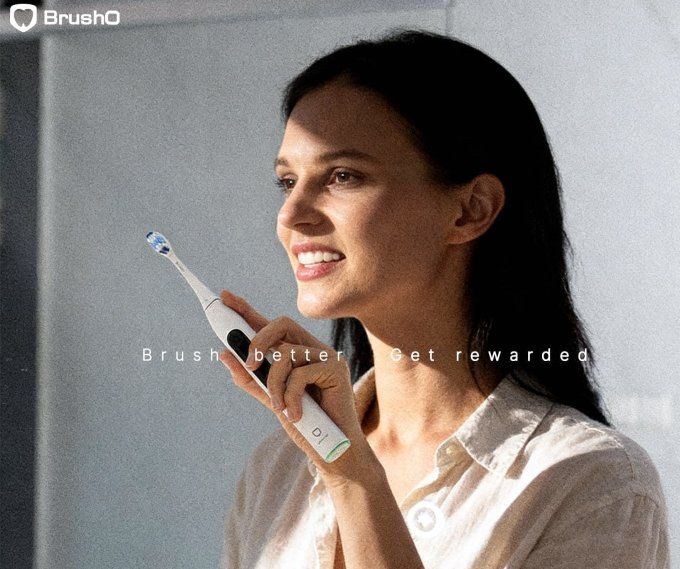
During pregnancy, estrogen and progesterone levels surge. These hormones don’t just support fetal development—they also affect how your gums and immune system respond to plaque.
• Pregnancy Gingivitis: Up to 70% of pregnant women experience swollen, tender gums that bleed easily due to heightened sensitivity to plaque.
• Periodontal Disease Risk: Untreated gingivitis can evolve into more severe gum disease, which has been linked to low birth weight and premature birth in some studies.
• Enamel Erosion and Morning Sickness: Frequent vomiting from morning sickness exposes teeth to stomach acids, increasing enamel erosion.
Expectant mothers may experience several unexpected dental symptoms. These include:
Often, the earliest and most common symptom. The inflamed gums are more reactive to even small amounts of plaque.
Some women notice their teeth feel looser. While usually temporary, it’s a sign that connective tissues are under hormonal influence.
These small, benign growths on the gums are triggered by plaque and hormonal shifts. They often appear in the second trimester and disappear postpartum.
Many women avoid the dentist while pregnant, fearing procedures may harm the baby. However, routine dental care is not only safe—it’s recommended.
• First Trimester: Focus on hygiene and preventive care. Inform your dentist about your pregnancy.
• Second Trimester: Ideal time for cleanings or minor treatments.
• Third Trimester: Avoid lying flat for long periods; limit care to essential procedures.
Note: Always consult with your obstetrician before undergoing any dental treatment.
Even small changes can have a lasting impact on oral and overall health:
• Brush twice daily with fluoride toothpaste.
• Floss gently once per day.
• Rinse with water or a mild mouthwash after morning sickness.
• Stay hydrated to prevent dry mouth.
• Maintain regular dental visits.
BrushO’s AI-powered technology makes it easier for expecting mothers to keep up with oral hygiene—especially during fatigue or nausea.
• Gentle Pressure Feedback: Prevents brushing too hard on sensitive gums.
• Custom Modes: Switch to “Gum Care” mode for a softer yet effective clean.
• Daily Reports: Helps maintain brushing consistency despite hormonal ups and downs.
• Motivational Rewards: Boosts adherence by rewarding every session.
Pregnancy is a powerful reminder that oral health is interconnected with overall wellness. By staying informed and proactive, women can safeguard their smiles and their babies’ health. With supportive tools like BrushO, maintaining a healthy brushing routine becomes simpler, safer, and more effective during this life-changing journey.
Jul 30
Jul 30
Jul 29
Jul 22
Jul 19
Jul 17

If you are thirsty after brushing, choose plain water. Plan your usual bedtime drink before brushing and skip the immediate rinse at the sink.

Waterpik recommends warm water for its flossers. Check your own model and use comfortably lukewarm water if cold water feels sharp.

Let an intact handle return to room temperature before you consider charging it. Check your manual and watch for signs of battery or housing damage.

Lift away the paste, check the care label, and use cool water on washable fabric. Here is a quick approach for a fresh spot.

Turn the brush off, then check the fit, the connection, and the condition of the head. A second compatible head can help you narrow it down.

Look for a clean, rigid container with a secure lid and keep it with your belongings. A napkin on a lunch tray is easy to clear away.

Check the care directions for your clear retainer. Clinics give different instructions, and the right cleaning method depends on the appliance you received.

Try a gentle rinse first. If the hull sits between teeth and floss moves freely, make a careful pass and stop if it still feels stuck.

A tight gap or rough edge can catch floss. Notice where it snags, keep the movement gentle, and find out when to ask your dentist to check.

Your first sip can taste sharp after brushing. Here is what may be changing and how to make breakfast taste like breakfast again.

Lo spazzolino elettrico BrushO con IA offre guida in tempo reale, feedback sulla pressione, monitoraggio della copertura e report di progresso nell’app per una routine quotidiana più pulita.
Lo spazzolino elettrico BrushO con IA offre guida in tempo reale, feedback sulla pressione, monitoraggio della copertura e report di progresso nell’app per una routine quotidiana più pulita.


Address: RM 1427, 14/F RADIO CITY 505, HENNESSY RD CAUSEWAY BAY, HONG KONG
Code: 000000
Phone: +852-53758652
Email: customerservice@brusho.com