
Jul 30
Jul 30
Jul 29
Jul 22
Jul 19
Jul 17
This article offers practical, expert-backed tips to help both adults and children turn brushing into a calm, confident habit—with the help of technology like smart toothbrushes.
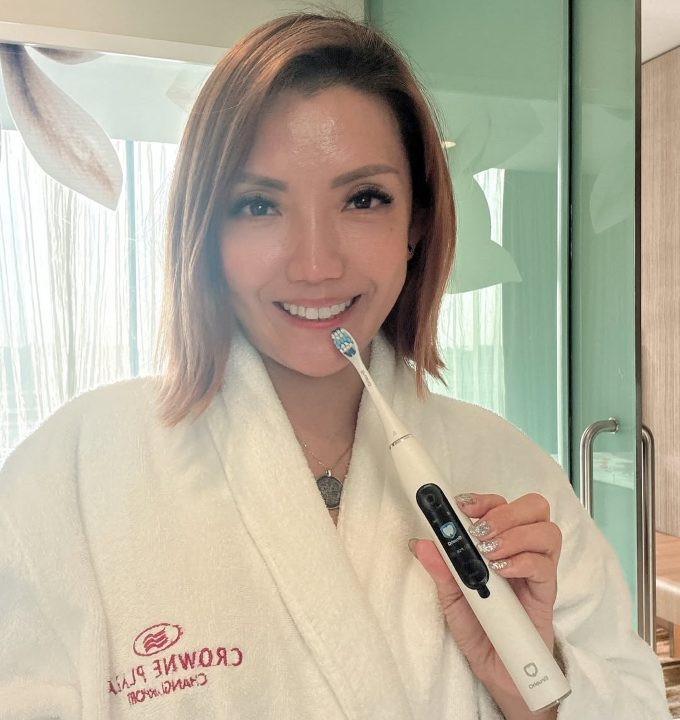
While dental anxiety often refers to fear of professional treatments, it can also impact basic habits like daily brushing. Many people—especially children, neurodivergent individuals, or those with past trauma—feel overwhelmed by the sound, pressure, or sensory overload of brushing.
If that’s you or your child, remember: you’re not brushing wrong—you need the right tools and strategies.
If these sound familiar, it’s time to make brushing less stressful—not stricter.
Anxiety thrives on unpredictability. Use visual schedules or timers to signal brushing time, especially for children.
Choose soft bristles and low-noise motors. BrushO, for example, offers ultra-quiet AI brushing with gentle but effective cleaning, ideal for sensory-sensitive users.
BrushO’s TFT color screen gives real-time visual feedback, making brushing feel more like a game than a chore.
Instead of guessing or obsessing over “perfect brushing,” smart toothbrushes like BrushO provide non-judgmental brushing reports that help users learn at their own pace.
If you’re a parent struggling to get kids to brush, try:
BrushO wasn’t just built for tech fans—it’s built to make brushing more approachable for all:
| Feature | Benefit for Anxious Brushers |
| Quiet AI Motor | Reduces sensory overload |
| Pressure Sensors | Prevents over-brushing injuries |
| Brush Reports | Replace guesswork with calm confidence |
| Goal Setting | Focus on progress, not perfection |
| Bluetooth App | Visual guidance instead of guesswork |
💡 Tip: Consistency builds confidence. Use BrushO’s 45-day battery life to ensure you never skip brushing due to charging issues.
Dental anxiety doesn’t have to stop you—or your child—from achieving a healthy smile. By using calm routines, supportive tools, and smart technology like BrushO, you can turn brushing from a stressful task into a daily moment of self-care.
Oct 31
Oct 30
Jul 30
Jul 30
Jul 29
Jul 22
Jul 19
Jul 17

PPM describes concentration, not the amount to put on the brush. Learn how to read fluoride information while keeping regional guidance and individual advice in view.

That forgotten tube deserves a label check. Learn what toothpaste shelf-life information refers to, why storage matters, and how to avoid guessing from appearance.

Clear gel or opaque paste? Texture is only one feature. Learn which label details matter when comparing toothpastes for your brushing routine.

Minty toothpaste can create a cooling sensation without being chilled. Explore what menthol does and why a fresh feeling is different from complete cleaning.

The sound of a powered brush comes with its moving mechanism. Learn how normal operating noise differs from alerts or an unexpected change that needs checking.

Toothpaste on the mirror? Check when you switch the brush on and off, how you position it, and how to pause without rushing your routine.

A whitening brushing program and a bleaching treatment are different things. Learn how to interpret mode names, surface-stain claims, and realistic expectations.

A tiny cluster of bristles serves a different purpose from a full-size head. Learn where a single-tuft brush may fit into an individually recommended cleaning routine.

Angled tufts, different bristle heights, and the angle of your hand are separate design questions. Learn how to read a toothbrush-head description clearly.

A larger head is not an automatic shortcut to cleaner teeth. Learn how head size affects access, positioning, and the fit of your daily brushing routine.

Lo spazzolino elettrico BrushO con IA offre guida in tempo reale, feedback sulla pressione, monitoraggio della copertura e report di progresso nell’app per una routine quotidiana più pulita.
Lo spazzolino elettrico BrushO con IA offre guida in tempo reale, feedback sulla pressione, monitoraggio della copertura e report di progresso nell’app per una routine quotidiana più pulita.


Address: RM 1427, 14/F RADIO CITY 505, HENNESSY RD CAUSEWAY BAY, HONG KONG
Code: 000000
Phone: +852-53758652
Email: customerservice@brusho.com