
Jul 30
Jul 30
Jul 29
Jul 22
Jul 19
Jul 17
Learn how smart brushing techniques—and tools like AI-powered toothbrushes—can improve your oral health without the damage. Here’s how to brush smarter, not harder.
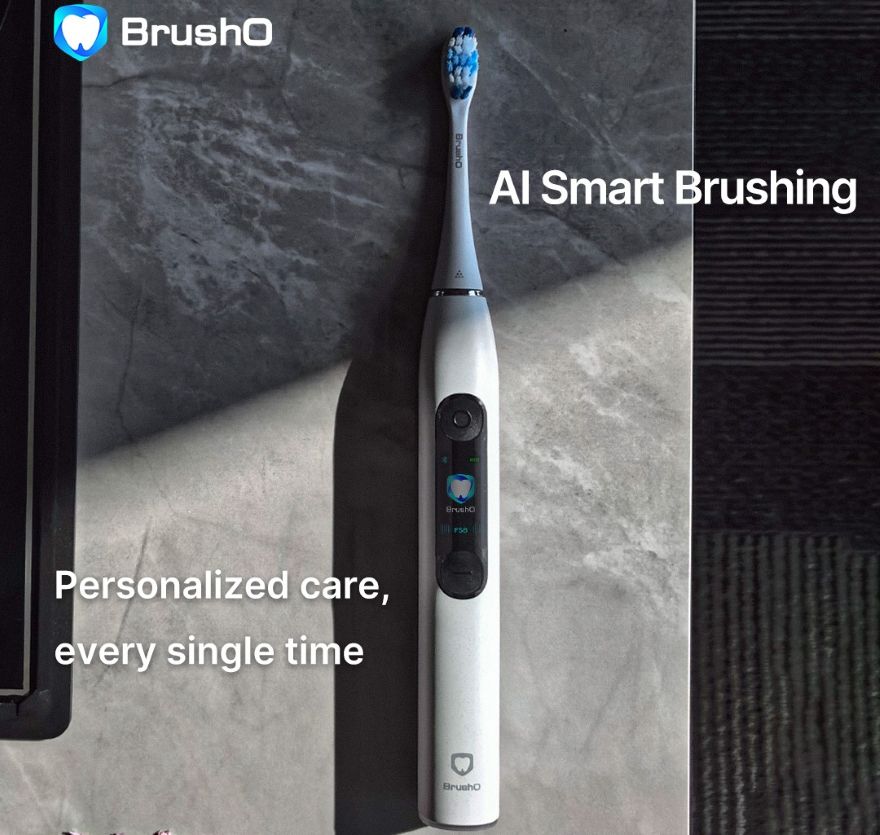
Brushing your teeth too hard can wear down enamel and irritate your gums, leading to:
Instead of force, focus on technique and consistency.
Choose a toothbrush designed to assist your technique, not depend on your strength.
Hold your brush at a 45-degree angle to the gum line and use gentle circular motions.
BrushO provides AI-powered feedback and a real-time brushing map, helping you cover all surfaces (including those tricky back molars).
Avoid applying pressure. Most electric brushes deliver 31,000–62,000 strokes/min, far more effective than manual brushing.
💡 Tip: BrushO will alert you if you’re pressing too hard.
Acidic foods can soften enamel. Wait at least 30 minutes before brushing your teeth.
Choose toothpaste that supports enamel protection.
Old or frayed bristles are less effective and can damage your gums. Replace every 3 months or when indicators fade.
No. What matters is coverage and technique. Overbrushing can harm your teeth.
Yes—especially those with scientific data tracking, like BrushO’s brushing analytics and real-time maps.
You may already be brushing too hard without knowing. Upgrading to a smart electric toothbrush with pressure sensors can protect your smile.
Brushing smarter isn’t just about having the latest gadget—it’s about using it properly. With the right electric toothbrush and technique, you can clean more effectively, avoid gum recession, and even make brushing feel like less of a chore.
✨ Want to see if your current routine holds up? Try a smart toothbrush like BrushO—your gums and enamel will thank you.
Jul 30
Jul 30
Jul 29
Jul 22
Jul 19
Jul 17

The uncontrolled hypertension is the condition that the dental practice meets in the patient who presents with the elevated pressure that the guideline does not permit for the elective treatment, and the management of this patient requires the deferral of the dental procedure and the referral to ...

The closure of the extraction space in the orthodontic treatment is the phase that demands the careful selection of the mechanics and the monitoring of the force that the appliance delivers. The sliding mechanics that rely on the continuous archwire and the power chain that connects the brackets ...

The transverse discrepancy of the maxilla is the problem that the crowding and the posterior crossbite often hide, and the maxillary expansion is the treatment that addresses the width of the arch rather than the position of the individual tooth. The clinician who diagnoses the constriction early...

The local anaesthesia is the daily procedure that the modern dentistry treats as the routine, and the complications that follow it range from the transient and the trivial to the permanent and the serious. The clinician who injects by the habit without the anatomy in the mind is the clinician who...

The hypertension is the condition that the dental practice meets in the every day, and the patient who carries the elevated pressure without the symptoms is the patient who presents the risk that the chair-side measurement reveals. The dental team occupies the position that no other profession ho...

The glass-ceramic crown has become the default restoration for the anterior and the many posterior teeth, and the material selection within the family is the decision that determines the strength, the aesthetics, and the longevity of the result. The lithium disilicate, the leucite, and the zircon...

The dental phobia is the extreme form of the dental fear that prevents the patient from attending the treatment that the oral health requires, and the management of the phobia demands the skill that extends beyond the routine behaviour guidance. The systematic desensitization, the exposure therap...

The dental fear of the child is the condition that shapes the attitude for the lifetime, and the clinician who manages the first visits with the skill builds the patient who attends the recall without the dread. The fear that the child develops follows the many sources, and the practice that reco...

The patient with controlled hypertension is the patient who requires the dental care that the oral health demands and the treatment that the blood pressure permits, and the clinician who manages the controlled case safely follows the guideline that the evidence supports. The controlled hypertensi...

The ceramic veneer is the restoration that the aesthetic dentistry depends on, and the bond that retains the veneer on the enamel is the critical link that determines whether the restoration survives the function or fractures and debonds. The clinical technique from the preparation to the cementa...

Lo spazzolino elettrico BrushO con IA offre guida in tempo reale, feedback sulla pressione, monitoraggio della copertura e report di progresso nell’app per una routine quotidiana più pulita.
Lo spazzolino elettrico BrushO con IA offre guida in tempo reale, feedback sulla pressione, monitoraggio della copertura e report di progresso nell’app per una routine quotidiana più pulita.


Address: RM 1427, 14/F RADIO CITY 505, HENNESSY RD CAUSEWAY BAY, HONG KONG
Code: 000000
Phone: +852-53758652
Email: customerservice@brusho.com