
Jul 30
Jul 30
Jul 29
Jul 22
Jul 19
Jul 17
Hormones don’t just affect mood, skin, or energy levels — they also play a major role in oral health. Many people experience gum swelling, tenderness, or bleeding during hormonal shifts such as puberty, pregnancy, menstruation, menopause, or periods of high stress. These changes can quietly weaken gum tissue and increase the risk of gingivitis if not properly managed. Understanding the connection between hormones and gum health is the first step toward preventing long-term dental issues and building a smarter daily oral care routine.
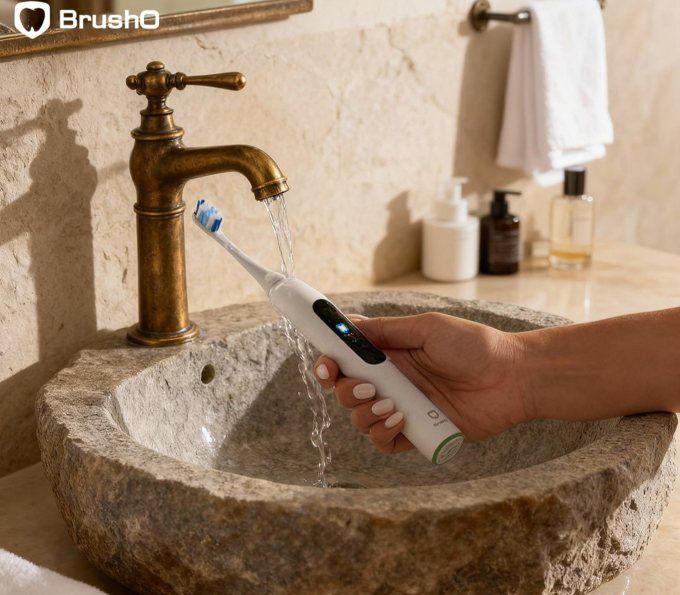
Hormones directly affect blood flow, inflammation levels, and immune response — all of which impact your gums.
• More sensitive
• More prone to swelling
• Easier to bleed
• Less resistant to bacteria
This doesn’t mean poor hygiene — it means your gums are reacting biologically.
During puberty, increased estrogen and testosterone raise blood circulation to the gums. This can make gums red, swollen, or tender, especially if plaque builds up near the gumline.
Some people experience “menstrual gingivitis”, where gums become sensitive or bleed slightly in the days before a period. These symptoms often disappear once hormone levels stabilize.
Pregnancy-related hormonal shifts dramatically increase the risk of:
• Gum inflammation
• Pregnancy gingivitis
• Gum bleeding
Without careful brushing, inflammation can worsen quickly during pregnancy.
Lower estrogen levels may cause
• Dry mouth
• Gum recession
• Increased tooth sensitivity
These changes make gentle, precise brushing especially important.
Stress hormones like cortisol weaken the immune response, making it harder for gums to fight bacteria — even if brushing habits haven’t changed.
Hormonal changes don’t cause gum disease directly — plaque does. But hormones make gums more reactive to plaque and bacteria.
If plaque isn’t fully removed:
• Gums inflame faster
• Bleeding occurs more easily
• Gingivitis develops sooner
That’s why technique, pressure, and coverage matter more during hormonal shifts.
Hormone-related gum issues often worsen due to:
• Brushing too hard
• Missing the gumline
• Inconsistent brushing routines
This is where smart toothbrushes like BrushO make a real difference.
BrushO alerts users when pressure is too high — helping prevent gum irritation and recession, especially when gums are already sensitive.
Instead of relying on basic timers, BrushO analyzes brushing paths to ensure the gumline and hard-to-reach areas aren’t skipped.
Daily brushing reports highlight missed zones, pressure patterns, and improvements — allowing users to adapt care during hormonal changes.
• Use gentle pressure
• Focus on the gumline, not just tooth surfaces
• Brush twice daily, consistently
• Avoid aggressive back-and-forth motions
• Choose brushing modes designed for gum care or sensitivity
Consistency matters more than intensity.
In many cases, yes — if caught early.
With proper brushing technique, plaque control, and gum-friendly care:
• Inflammation can subside
• Bleeding can stop
• Gum health can stabilize
Smart brushing helps users detect patterns early — before issues become serious.
Chronic gum inflammation has been linked to:
• Cardiovascular disease
• Pregnancy complications
• Metabolic issues
• Systemic inflammation
Taking care of your gums during hormonal changes isn’t cosmetic — it’s preventive health.
Hormonal changes can quietly impact gum health at every stage of life. While these changes are natural, gum disease is not inevitable. With proper brushing technique, pressure control, and consistent care, hormone-related gum issues can be managed — and often prevented. Smart oral care tools like BrushO help users adapt their routines to their body’s changes, ensuring healthier gums through every phase of life.
Jul 30
Jul 30
Jul 29
Jul 22
Jul 19
Jul 17

Teledentistry—the use of information and communication technologies to deliver dental care, consultation, education, and public health services across geographic distances—has undergone an unprecedented transformation in recent years. While the concept dates to the 1990s, the COVID-19 pandemic catal

The field of endodontics has undergone a paradigm shift over the past two decades. Traditional root canal therapy, while effective at eliminating infection and preserving teeth, ultimately results in a non-vital tooth that is more brittle and susceptible to fracture. Regenerative endodontics offers

The human oral cavity harbors one of the most diverse and dynamic microbial communities in the body, second only to the gut in complexity. Advances in culture-independent molecular techniques—particularly 16S rRNA gene sequencing and shotgun metagenomics—have transformed our understanding of the ora

Medication-related osteonecrosis of the jaw (MRONJ) is a serious adverse event characterized by exposed necrotic bone in the maxillofacial region that persists for more than eight weeks in patients with current or previous antiresorptive or antiangiogenic therapy and no history of head and neck radi

The dental patient population is aging, and the prevalence of chronic medical conditions continues to rise. The World Health Organization projects that by 2050, the proportion of the global population over 60 years will double from 12% to 22%, with a corresponding increase in the burden of multimorb

Saliva has emerged as a powerful diagnostic fluid that reflects the physiological and pathological state of the body. As an ultrafiltrate of blood, saliva contains a complex mixture of proteins, nucleic acids, metabolites, and microorganisms that originate from multiple sources: salivary glands, gin

Peri-implantitis has emerged as one of the most significant complications in implant dentistry, affecting an estimated 20% of patients and 10% of implants at the patient and implant levels respectively. As the global population of dental implants grows, the burden of peri-implant disease is expandin

Molar Incisor Hypomineralization (MIH) is a qualitative developmental enamel defect affecting one to four first permanent molars, frequently with concurrent involvement of permanent incisors. First described systematically by Weerheijm and colleagues in 2001, MIH has since been recognized as a globa

Digital Smile Design (DSD) has revolutionized aesthetic dentistry by providing a systematic, communication-centered approach to treatment planning. Developed by Dr. Christian Coachman in 2007, DSD integrates facial and dental analysis, intraoral and extraoral digital data, and interdisciplinary coll

Additive manufacturing, commonly known as 3D printing, has transformed dentistry over the past decade from a niche prototyping tool into an integral component of digital workflows. The technology enables the fabrication of surgical guides, dental models, temporary and permanent restorations, denture

Lo spazzolino elettrico BrushO con IA offre guida in tempo reale, feedback sulla pressione, monitoraggio della copertura e report di progresso nell’app per una routine quotidiana più pulita.
Lo spazzolino elettrico BrushO con IA offre guida in tempo reale, feedback sulla pressione, monitoraggio della copertura e report di progresso nell’app per una routine quotidiana più pulita.


Address: RM 1427, 14/F RADIO CITY 505, HENNESSY RD CAUSEWAY BAY, HONG KONG
Code: 000000
Phone: +852-53758652
Email: customerservice@brusho.com