
Jul 30
Jul 30
Jul 29
Jul 22
Jul 19
Jul 17
Your smile says a lot about you—but without proper care, even the brightest smile can fade. Fortunately, maintaining excellent oral hygiene doesn’t require frequent dentist visits or expensive treatments. The truth is, great dental health starts at home.
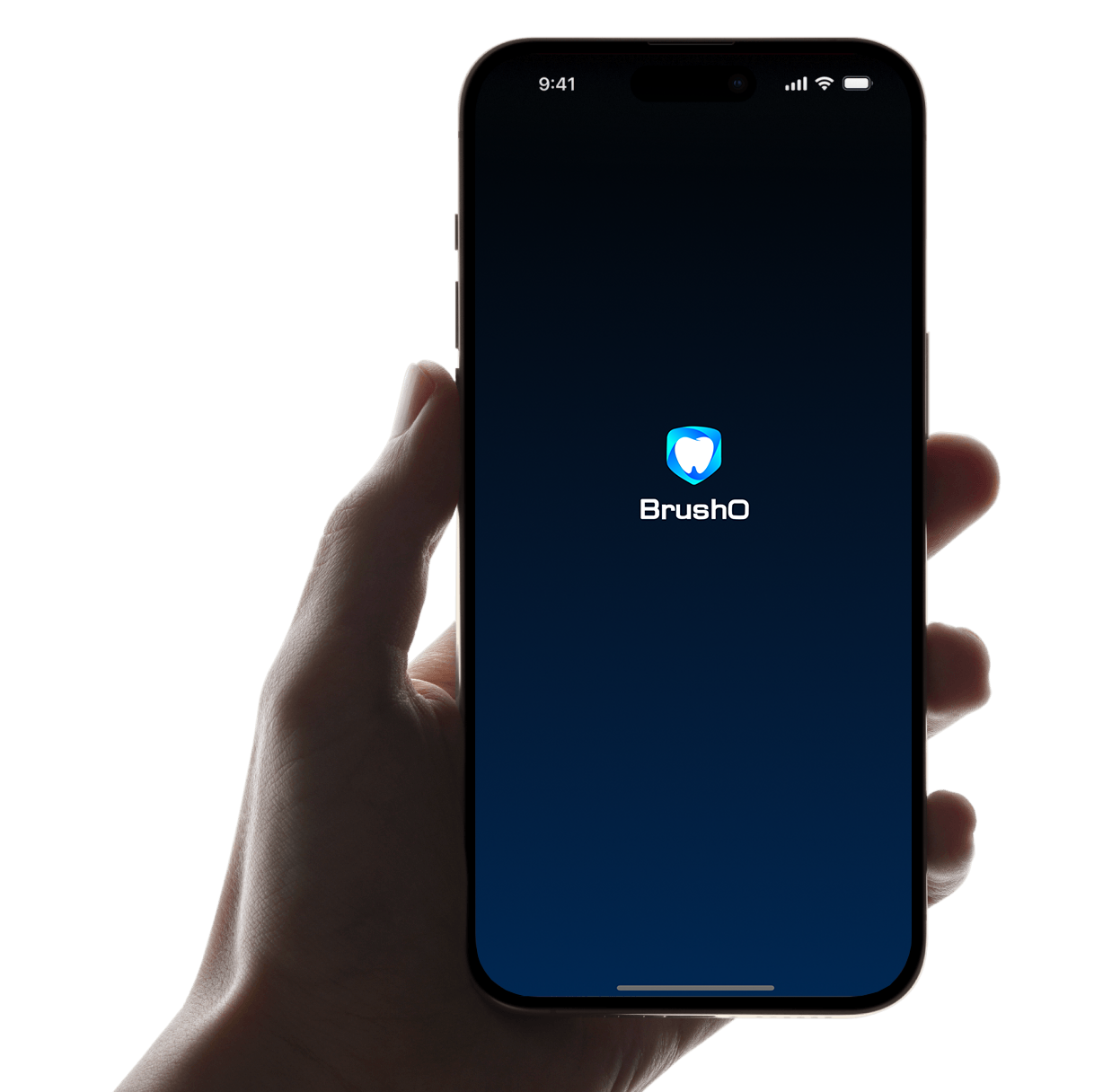
Brushing twice a day is non-negotiable. But how you brush matters just as much as how often. Avoid scrubbing aggressively or using hard bristles, which can erode enamel and damage gums.
Use a smart toothbrush like BrushO, which:
Automatically adjusts brushing intensity.
Guides you with real-time brushing feedback.
Reminds you to change zones every 30 seconds.
These features help ensure you're cleaning thoroughly—without causing harm.
Most people only brush for 45 seconds. Dentists recommend brushing for 2 full minutes. Set a timer, use a toothbrush with a built-in timer, or play your favorite short song to stay on track.
BrushO comes with built-in smart timers, helping you stay consistent effortlessly.
Brushing alone only cleans about 60% of your teeth’s surface. Flossing removes food particles and plaque between teeth where your brush can’t reach. Daily flossing:
Prevents cavities between teeth.
Reduces gum inflammation.
Keep your breath fresher.
Not a fan of traditional floss? Try a water flosser or interdental brushes.
Fluoride strengthens enamel, reduces sensitivity, and protects against decay. Always choose toothpaste with fluoride (even if it’s labeled "natural") and use a pea-sized amount.
Your tongue harbors bacteria that can cause bad breath and plaque. Use a tongue scraper or gently brush your tongue every day.
Fun fact: BrushO’s ergonomic brush head allows easy tongue cleaning with its rounded soft bristles.
Use an alcohol-free mouthwash after brushing and flossing. It helps:
Kill bacteria.
Strengthen enamel (if it contains fluoride).
Reduce gum inflammation.
Avoid rinsing your mouth with water immediately after brushing—it washes away fluoride.
Old brush heads are less effective and can harbor bacteria. Replace your manual toothbrush or electric brush head every 3 months, or sooner if bristles are frayed.
BrushO smartly reminds you when it’s time to switch heads—no guesswork.
What you eat affects your dental health:
Limit sugar and acidic drinks (like soda or juice) that erode enamel.
Eat crunchy fruits and veggies like apples and carrots to stimulate saliva and gently clean your teeth.
Calcium-rich foods like yogurt, cheese, and almonds strengthen teeth.
Water is essential for more than just hydration—it helps rinse away food particles, neutralize acids, and stimulate saliva, your mouth’s natural cleanser.
Bonus tip: Swish with water after meals if you can’t brush right away.
Your oral care is only as good as the tools you use. A smart toothbrush is more than a luxury—it’s an upgrade for your entire routine.
With BrushO, you get:
Sonic technology for deep cleaning.
FSB (Fully Smart Brushing) AI for technique monitoring.
Modes for whitening, gum care, sensitive teeth, and more.
6.5-hour fast charging + 40-day battery life.
IPX7 waterproofing for in-shower use.
It’s like having a dentist coach you every day—without leaving home.
Habits are everything. Set morning and evening routines that include brushing, flossing, and mouthwash. Use reminders, apps, or visual cues to stay consistent.
BrushO’s app-compatible models offer brushing reports and habit tracking to help you stay accountable and motivated.
Oral hygiene isn’t just about teeth—it’s about confidence, health, and well-being. By following these 10 easy but powerful tips, you can significantly improve your dental health at home.
Don’t wait for your next dental appointment to take action. Start today—with smarter tools, better habits, and the power of BrushO Smart Toothbrush at your side.
Your smile deserves it.
Jul 30
Jul 30
Jul 29
Jul 22
Jul 19
Jul 17

Fluoride in drinking water is the most cost-effective caries preventive measure in public health, and it is also the source of most avoidable fluoride exposure in young children. The balance between benefit and risk depends on concentration, on total intake from all sources and on the age of the ...

A mouthguard is the only piece of protective equipment that a dentist can prescribe, and the difference between the cheapest and the best version is often less than the cost of a single repair. This guide explains what each type of mouthguard actually protects, how to judge fit, and what to check...

Distinguishing reversible from irreversible pulpitis is the single most consequential decision in endodontic diagnosis, because one leads to a restoration and the other to root canal treatment or extraction. The distinction rests on symptoms and pulp testing rather than on radiographs alone, and ...

A pregnancy epulis is a benign overgrowth of gum tissue that appears during pregnancy, most often in the second or third trimester. It can alarm patients because it grows quickly and bleeds easily, yet in most cases it needs no surgery and settles after delivery. Understanding what drives the gro...

When several teeth are missing, the choice usually narrows to a removable partial denture or a fixed implant-supported restoration, and cost is the factor patients raise first. Upfront price is only part of the comparison, because the two options differ in maintenance, comfort, effects on neighbo...

Most root canal failures are not caused by inadequate cleaning of canals that were found, but by canals that were never located. Molar anatomy varies widely, and the variation is not random: specific teeth in specific populations have predictable additional canals. Knowing where they hide is the ...

Gum massage is one of the oldest recommendations in oral care and one of the least understood. It has been described as a treatment for bleeding gums, a route to firmer tissue and, more recently, a way to reduce brushing force. This article separates the mechanisms that are supported by physiolog...

Interdental cleaning is the part of oral hygiene most people abandon first, and the choice between a floss pick and a length of string floss is often made on convenience. Convenience matters, because a tool that is used daily outperforms a superior tool that stays in the drawer, but the two devic...

Dementia changes the way a denture is worn, cleaned and tolerated, and the people who notice the change first are usually family carers rather than clinicians. Poor denture hygiene in this group is associated with mucosal infection, reduced food intake and, in frail patients, respiratory complica...

Chewing tobacco keeps nicotine and plant irritants in prolonged contact with a small area of mucosa, and the damage that results is concentrated exactly where the quid is held. The lesions that develop are often painless, which is why they are discovered during routine examination rather than bec...

Lo spazzolino elettrico BrushO con IA offre guida in tempo reale, feedback sulla pressione, monitoraggio della copertura e report di progresso nell’app per una routine quotidiana più pulita.
Lo spazzolino elettrico BrushO con IA offre guida in tempo reale, feedback sulla pressione, monitoraggio della copertura e report di progresso nell’app per una routine quotidiana più pulita.


Address: RM 1427, 14/F RADIO CITY 505, HENNESSY RD CAUSEWAY BAY, HONG KONG
Code: 000000
Phone: +852-53758652
Email: customerservice@brusho.com