
Jul 30
Jul 30
Jul 29
Jul 22
Jul 19
Jul 17
When we think about hydration, we often focus on the benefits for energy, skin, or digestion. But your mouth is just as affected by water intake—especially your teeth and gums. Dehydration leads to dry mouth, and dry mouth creates a perfect storm for bacterial growth, bad breath, tooth decay, and even gum disease. In this article, we’ll explore how dehydration silently undermines your oral health, the signs to watch for, and how tools like the BrushO smart toothbrush can support you in keeping your smile healthy and hydrated—literally. Whether you’re an athlete, a night owl, or just forget to drink water during busy workdays, this is a wake-up call for your mouth.
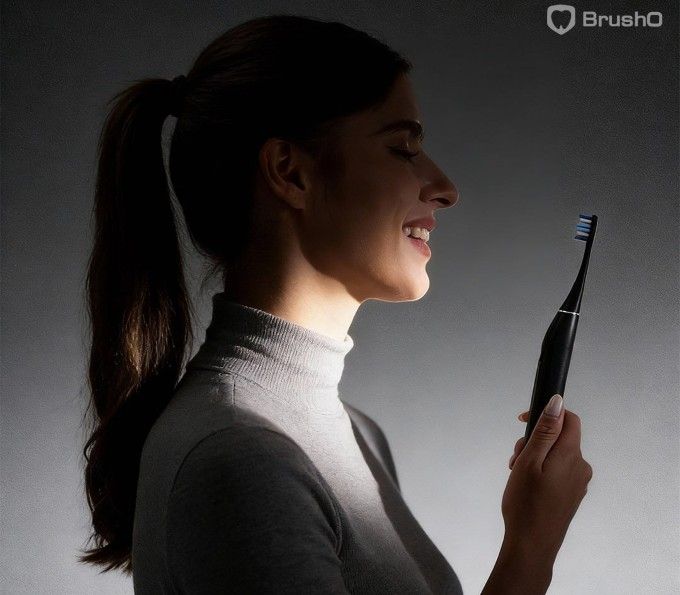
Your body is over 60% water—and your mouth depends on it more than you realize. Saliva, which is 98% water, plays a crucial role in neutralizing acids, washing away food particles, and keeping the mouth environment balanced. When you’re dehydrated, saliva production drops. This can lead to:
• Dry mouth (xerostomia)
• Bad breath
• Increased plaque buildup
• Tooth decay and enamel erosion
• Higher risk of gum disease
Saliva is your mouth’s first line of defense. It not only flushes away debris but also contains enzymes and minerals that fight bacteria and strengthen enamel. When hydration is low, your saliva dries up—allowing harmful bacteria to flourish, especially around the gumline and on the tongue.
Without saliva to neutralize acids from food and bacterial byproducts, your mouth becomes acidic. This pH shift accelerates enamel demineralization and weakens your teeth’s defenses against cavities.
A dry mouth is the perfect breeding ground for odor-causing bacteria. These anaerobic bacteria thrive in low-moisture environments, breaking down proteins and releasing foul-smelling sulfur compounds.
• Sticky or dry feeling in the mouth
• Frequent thirst
• Bad breath that persists after brushing
• Cracked lips or tongue
• Increased tooth sensitivity
• Difficulty chewing or swallowing dry foods
• White tongue coating
If you experience any of these symptoms, your body—and your mouth—may be crying out for water.
Don’t wait until you’re thirsty. Set reminders if needed. Drinking water helps restore saliva flow and rinses away debris between brushes.
Alcohol, caffeine, tobacco, and certain medications can all cause or worsen dry mouth. Balance them with water intake or consult your dentist for alternatives.
BrushO’s AI-powered sensors detect areas of plaque buildup—often caused by dry conditions—and give real-time feedback to ensure no residue is left behind.
• Smart Pressure Detection: Prevents overbrushing weakened enamel
• Zone Coverage Reminders: Helps you reach dry spots like the back molars or tongue
• Hydration Habit Pairing: Use brushing reminders as cues to drink a glass of water afterward
• Brush & Earn: Stay motivated with $BRUSH rewards for building great brushing routines, even during dry-mouth periods
Sugar-free xylitol gum, mouth sprays, or oral gels can help stimulate or mimic saliva.
Enamel erosion and gum inflammation don’t happen overnight—but dehydration accelerates both silently. By the time you notice sensitivity or decay, damage may already be done. Preventative care, consistent hydration, and the right tools can make all the difference.
BrushO is an AI-powered smart toothbrush designed to personalize oral care and prevent hidden threats like dehydration-related damage. From smart brushing guidance to pressure sensing and habit tracking, BrushO helps you care for your smile in every condition—dry mouth included.
Jul 30
Jul 30
Jul 29
Jul 22
Jul 19
Jul 17

Fluoride in drinking water is the most cost-effective caries preventive measure in public health, and it is also the source of most avoidable fluoride exposure in young children. The balance between benefit and risk depends on concentration, on total intake from all sources and on the age of the ...

A mouthguard is the only piece of protective equipment that a dentist can prescribe, and the difference between the cheapest and the best version is often less than the cost of a single repair. This guide explains what each type of mouthguard actually protects, how to judge fit, and what to check...

Distinguishing reversible from irreversible pulpitis is the single most consequential decision in endodontic diagnosis, because one leads to a restoration and the other to root canal treatment or extraction. The distinction rests on symptoms and pulp testing rather than on radiographs alone, and ...

A pregnancy epulis is a benign overgrowth of gum tissue that appears during pregnancy, most often in the second or third trimester. It can alarm patients because it grows quickly and bleeds easily, yet in most cases it needs no surgery and settles after delivery. Understanding what drives the gro...

When several teeth are missing, the choice usually narrows to a removable partial denture or a fixed implant-supported restoration, and cost is the factor patients raise first. Upfront price is only part of the comparison, because the two options differ in maintenance, comfort, effects on neighbo...

Most root canal failures are not caused by inadequate cleaning of canals that were found, but by canals that were never located. Molar anatomy varies widely, and the variation is not random: specific teeth in specific populations have predictable additional canals. Knowing where they hide is the ...

Gum massage is one of the oldest recommendations in oral care and one of the least understood. It has been described as a treatment for bleeding gums, a route to firmer tissue and, more recently, a way to reduce brushing force. This article separates the mechanisms that are supported by physiolog...

Interdental cleaning is the part of oral hygiene most people abandon first, and the choice between a floss pick and a length of string floss is often made on convenience. Convenience matters, because a tool that is used daily outperforms a superior tool that stays in the drawer, but the two devic...

Dementia changes the way a denture is worn, cleaned and tolerated, and the people who notice the change first are usually family carers rather than clinicians. Poor denture hygiene in this group is associated with mucosal infection, reduced food intake and, in frail patients, respiratory complica...

Chewing tobacco keeps nicotine and plant irritants in prolonged contact with a small area of mucosa, and the damage that results is concentrated exactly where the quid is held. The lesions that develop are often painless, which is why they are discovered during routine examination rather than bec...

BrushO AI इलेक्ट्रिक टूथब्रश रियल-टाइम ब्रशिंग गाइड, प्रेशर फीडबैक, कवरेज ट्रैकिंग और ऐप-आधारित प्रगति रिपोर्ट देता है, ताकि आपकी दैनिक दिनचर्या अधिक साफ और समझने योग्य बने।
BrushO AI इलेक्ट्रिक टूथब्रश रियल-टाइम ब्रशिंग गाइड, प्रेशर फीडबैक, कवरेज ट्रैकिंग और ऐप-आधारित प्रगति रिपोर्ट देता है, ताकि आपकी दैनिक दिनचर्या अधिक साफ और समझने योग्य बने।


Address: RM 1427, 14/F RADIO CITY 505, HENNESSY RD CAUSEWAY BAY, HONG KONG
Code: 000000
Phone: +852-53758652
Email: customerservice@brusho.com