
Jul 30
Jul 30
Jul 29
Jul 22
Jul 19
Jul 17
Learn how to brush smarter, not harder—with expert tips, early warning signs, and how BrushO’s AI-powered electric toothbrush protects your gum health.
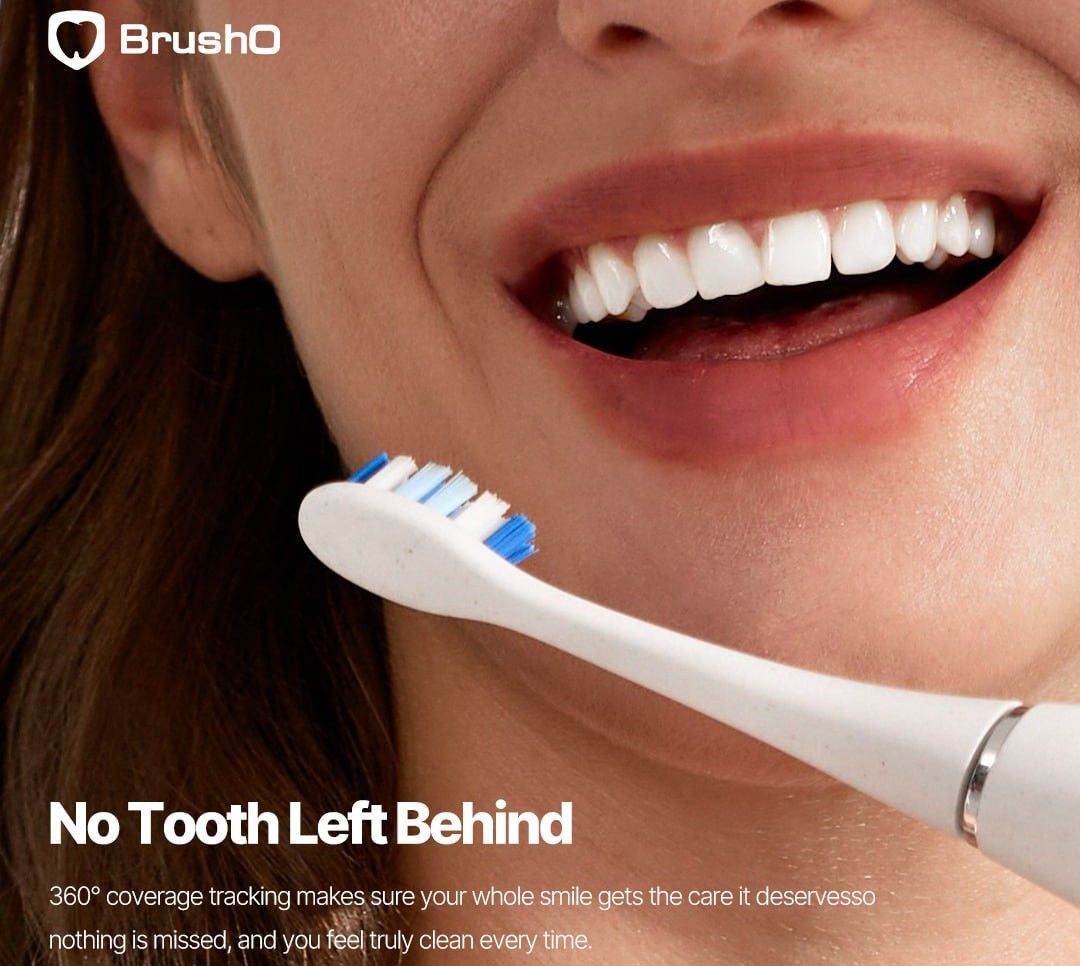
Many people think brushing harder means cleaner teeth—but that’s a dangerous myth. Brushing too aggressively or using the wrong technique can lead to:
- Tooth sensitivity
- Enamel wear
- Inflamed or bleeding gums
Overbrushing is especially common among people who are health-conscious and want to do a “deep clean.” But in reality, gentle and consistent brushing is far more effective—and safer.
Do your teeth look longer than before?
That may be due to your gums pulling away from your teeth.
Do you feel sharp pain when drinking hot or cold beverages?
It may be from exposed roots due to overbrushing.
Are your bristles flaring outward in less than three months?
That’s a clear sign you’re applying too much pressure.
Gums may bleed due to harsh brushing, especially with hard-bristle brushes.
Use a soft or extra-soft brush head to reduce irritation. BrushO’s replaceable brush heads are designed with DuPont soft bristles that clean efficiently without scratching enamel or damaging gums.
Let the brush do the work. Excess force doesn’t equal better cleaning—especially with AI-powered brushes that optimize motion and coverage automatically.
Hold your brush at a 45° angle to the gumline. Use small, circular motions—not harsh horizontal strokes.
Aim for two minutes, spending about 30 seconds per quadrant. The BrushO AI Toothbrush takes it further with 6-zone and 16-surface coverage analysis, ensuring you don’t miss spots—or overdo others.
BrushO’s AI-powered electric toothbrush is designed to address exactly these problems:
- Pressure sensors that alert you when you brush too hard
- Real-time brushing feedback through the BrushO app
- Detailed brushing reports (daily/weekly/monthly)
- Adaptive intensity based on your brushing style and gum condition
- Custom coaching mode to improve your brushing habits over time
By monitoring your technique and guiding you gently, BrushO helps users transition from harmful brushing routines to a safe, effective, dentist-recommended approach.
Myth: Brushing hard = better cleaning
Truth: Harsh brushing removes plaque only slightly better—but causes significant harm.
Reality: Smart brushing = safer and more effective
Smart sensors and AI-assisted brushing from BrushO help achieve dentist-level cleaning without the risks.
Rely on BrushO’s pressure alerts and brushing analytics to build awareness.
Track progress in the app and celebrate healthy brushing streaks.
Old habits are hard to break. Commit to new patterns with the help of BrushO’s adaptive feedback loops.
Overbrushing might seem like a small mistake—but its long-term effects can be serious. Luckily, with the right tools and guidance, you can protect your gums and improve your brushing performance.
If you’re ready to transform your brushing habits with intelligent care, consider switching to the BrushO AI Toothbrush—designed not just to clean, but to coach, protect, and empower you.
Jul 30
Jul 30
Jul 29
Jul 22
Jul 19
Jul 17

PPM describes concentration, not the amount to put on the brush. Learn how to read fluoride information while keeping regional guidance and individual advice in view.

That forgotten tube deserves a label check. Learn what toothpaste shelf-life information refers to, why storage matters, and how to avoid guessing from appearance.

Clear gel or opaque paste? Texture is only one feature. Learn which label details matter when comparing toothpastes for your brushing routine.

Minty toothpaste can create a cooling sensation without being chilled. Explore what menthol does and why a fresh feeling is different from complete cleaning.

The sound of a powered brush comes with its moving mechanism. Learn how normal operating noise differs from alerts or an unexpected change that needs checking.

Toothpaste on the mirror? Check when you switch the brush on and off, how you position it, and how to pause without rushing your routine.

A whitening brushing program and a bleaching treatment are different things. Learn how to interpret mode names, surface-stain claims, and realistic expectations.

A tiny cluster of bristles serves a different purpose from a full-size head. Learn where a single-tuft brush may fit into an individually recommended cleaning routine.

Angled tufts, different bristle heights, and the angle of your hand are separate design questions. Learn how to read a toothbrush-head description clearly.

A larger head is not an automatic shortcut to cleaner teeth. Learn how head size affects access, positioning, and the fit of your daily brushing routine.

BrushO AI इलेक्ट्रिक टूथब्रश रियल-टाइम ब्रशिंग गाइड, प्रेशर फीडबैक, कवरेज ट्रैकिंग और ऐप-आधारित प्रगति रिपोर्ट देता है, ताकि आपकी दैनिक दिनचर्या अधिक साफ और समझने योग्य बने।
BrushO AI इलेक्ट्रिक टूथब्रश रियल-टाइम ब्रशिंग गाइड, प्रेशर फीडबैक, कवरेज ट्रैकिंग और ऐप-आधारित प्रगति रिपोर्ट देता है, ताकि आपकी दैनिक दिनचर्या अधिक साफ और समझने योग्य बने।


Address: RM 1427, 14/F RADIO CITY 505, HENNESSY RD CAUSEWAY BAY, HONG KONG
Code: 000000
Phone: +852-53758652
Email: customerservice@brusho.com