
Jul 30
Jul 30
Jul 29
Jul 22
Jul 19
Jul 17
In this guide, we’ll walk you through proven, parent-approved strategies to help kids enjoy brushing—while also introducing smart tools like the BrushO AI-powered toothbrush that turn oral hygiene into a fun daily habit.
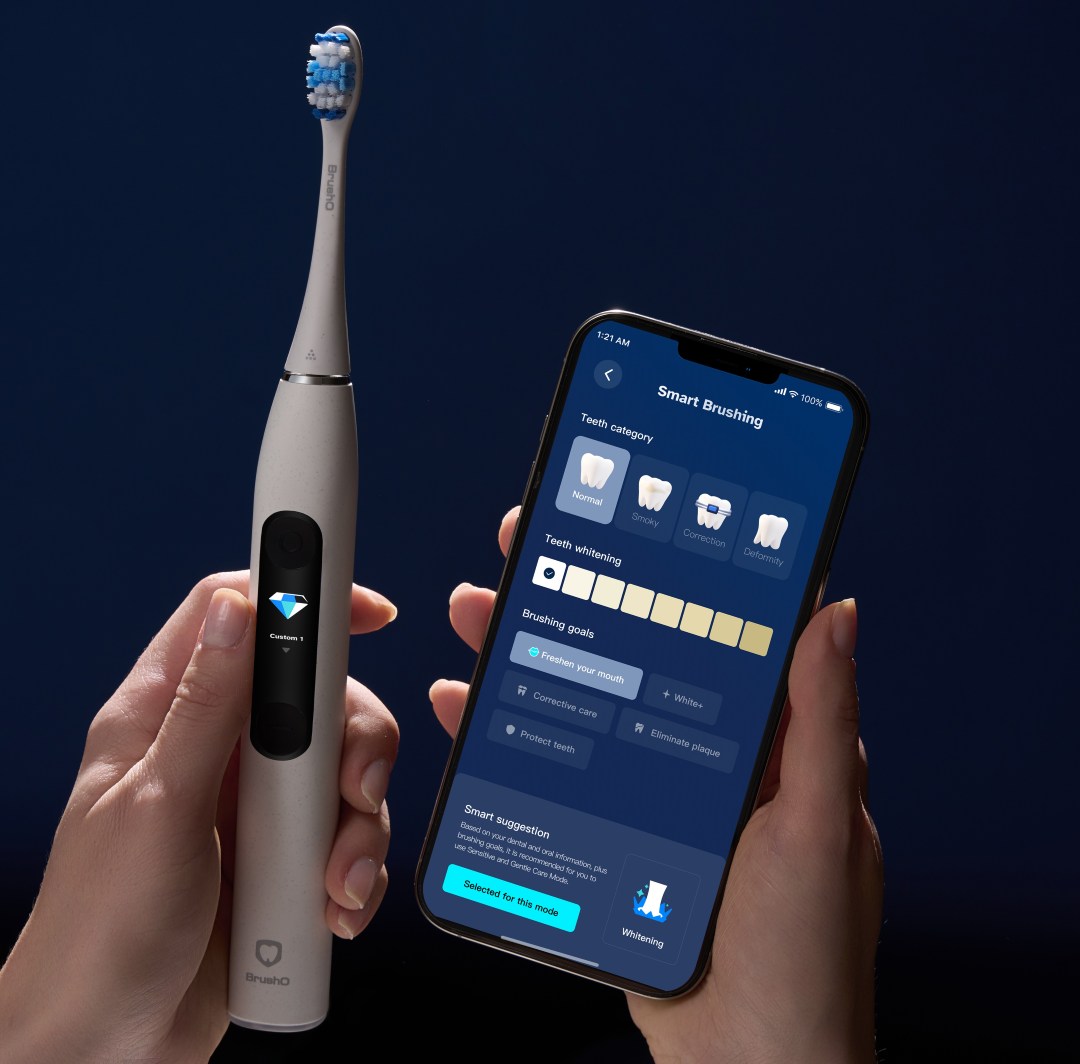
Many children view brushing as a boring chore, and some even fear it due to unpleasant experiences or sensory sensitivities. However, poor brushing habits can lead to cavities, gum issues, and lifelong dental anxiety. Helping kids build a healthy brushing routine early on is key.
Make brushing a story-driven activity: “Let’s fight the sugar monsters!” or “Time to shine your superhero smile!” You can use music, timers, or even apps that track progress with animated characters.
🦷 Pro tip: The BrushO toothbrush has a built-in timer and guided zone alerts, making it easy to brush every area of the mouth thoroughly—and fun!
Use a sticker chart, small rewards, or even verbal praise. Let your child track their brushing streak with a calendar or app. Over time, brushing becomes part of their routine.
Many parents are switching to electric toothbrushes for children. Why?
🪥 BrushO’s kid-friendly mode includes gentle brushing power, AI-driven feedback, and smart zone tracking across 6 areas and 16 surfaces—great for kids learning to brush right.
BrushO’s AI-powered toothbrush helps eliminate the usual brushing battles by:
Lead by example: Brush your own teeth in front of your child.
Start early: Begin cleaning baby teeth as soon as they appear.
Stay consistent: Brushing should happen twice a day—no exceptions.
Limit sugary snacks: Especially before bed.
Monitor technique: Especially until they’re around 7–8 years old.
Helping your child fall in love with brushing isn’t impossible. With creativity, consistency, and the right tools like BrushO, it can even become something they look forward to. Turn oral care into a game, a story, and a shared success.
Jul 30
Jul 30
Jul 29
Jul 22
Jul 19
Jul 17

The uncontrolled hypertension is the condition that the dental practice meets in the patient who presents with the elevated pressure that the guideline does not permit for the elective treatment, and the management of this patient requires the deferral of the dental procedure and the referral to ...

The closure of the extraction space in the orthodontic treatment is the phase that demands the careful selection of the mechanics and the monitoring of the force that the appliance delivers. The sliding mechanics that rely on the continuous archwire and the power chain that connects the brackets ...

The transverse discrepancy of the maxilla is the problem that the crowding and the posterior crossbite often hide, and the maxillary expansion is the treatment that addresses the width of the arch rather than the position of the individual tooth. The clinician who diagnoses the constriction early...

The local anaesthesia is the daily procedure that the modern dentistry treats as the routine, and the complications that follow it range from the transient and the trivial to the permanent and the serious. The clinician who injects by the habit without the anatomy in the mind is the clinician who...

The hypertension is the condition that the dental practice meets in the every day, and the patient who carries the elevated pressure without the symptoms is the patient who presents the risk that the chair-side measurement reveals. The dental team occupies the position that no other profession ho...

The glass-ceramic crown has become the default restoration for the anterior and the many posterior teeth, and the material selection within the family is the decision that determines the strength, the aesthetics, and the longevity of the result. The lithium disilicate, the leucite, and the zircon...

The dental phobia is the extreme form of the dental fear that prevents the patient from attending the treatment that the oral health requires, and the management of the phobia demands the skill that extends beyond the routine behaviour guidance. The systematic desensitization, the exposure therap...

The dental fear of the child is the condition that shapes the attitude for the lifetime, and the clinician who manages the first visits with the skill builds the patient who attends the recall without the dread. The fear that the child develops follows the many sources, and the practice that reco...

The patient with controlled hypertension is the patient who requires the dental care that the oral health demands and the treatment that the blood pressure permits, and the clinician who manages the controlled case safely follows the guideline that the evidence supports. The controlled hypertensi...

The ceramic veneer is the restoration that the aesthetic dentistry depends on, and the bond that retains the veneer on the enamel is the critical link that determines whether the restoration survives the function or fractures and debonds. The clinical technique from the preparation to the cementa...

BrushO AI इलेक्ट्रिक टूथब्रश रियल-टाइम ब्रशिंग गाइड, प्रेशर फीडबैक, कवरेज ट्रैकिंग और ऐप-आधारित प्रगति रिपोर्ट देता है, ताकि आपकी दैनिक दिनचर्या अधिक साफ और समझने योग्य बने।
BrushO AI इलेक्ट्रिक टूथब्रश रियल-टाइम ब्रशिंग गाइड, प्रेशर फीडबैक, कवरेज ट्रैकिंग और ऐप-आधारित प्रगति रिपोर्ट देता है, ताकि आपकी दैनिक दिनचर्या अधिक साफ और समझने योग्य बने।


Address: RM 1427, 14/F RADIO CITY 505, HENNESSY RD CAUSEWAY BAY, HONG KONG
Code: 000000
Phone: +852-53758652
Email: customerservice@brusho.com