
Jul 30
Jul 30
Jul 29
Jul 22
Jul 19
Jul 17
From clinking boba cups to handing over a water bottle at the gym, sharing drinks is common among friends and family. But beneath this casual gesture lies an unseen danger: the spread of oral bacteria. Harmful microbes like Streptococcus mutans (linked to cavities) or even Porphyromonas gingivalis (associated with gum disease) can be passed from one mouth to another through shared saliva. This article explores how drink-sharing contributes to oral health problems and what you can do to minimize the risk.
While saliva might look like “just water,” it actually contains millions of microbes, both good and bad. When you share a cup, straw, or bottle, here’s what’s happening:
Any time someone takes a sip, their saliva mixes with the drink and the container. When you take a sip afterward, you’re potentially ingesting their oral bacteria, even if the container looks clean.
Bacteria responsible for:
• Cavities (Streptococcus mutans)
• Gingivitis and periodontitis (P. gingivalis)
• Thrush or oral yeast infections
• Cold sores (Herpes Simplex Virus)
…can all spread via saliva, especially when immunity is low or oral hygiene is poor.
Many parents unknowingly pass cavity-causing bacteria to their children when they:
• Blow on their food
• Share spoons or drinks
• “Clean” pacifiers in their own mouths
This can seed harmful bacteria into a child’s oral microbiome before their immune system has matured — leading to early childhood caries.
Regularly sharing drinks can increase your oral health risks:
| Issue | How Drink Sharing Contributes |
| Cavities | Shared S. mutans colonize enamel |
| Gum Disease | Exchange of inflammatory bacteria |
| Bad Breath | Anaerobic bacteria spread between mouths |
| Weakened Oral Microbiome | Disruption of your natural flora balance |
If avoiding drink-sharing isn’t possible in every situation, here are some preventive tips:
• Use straws to reduce saliva contact.
• Avoid sharing when sick or with mouth sores.
• Rinse with water or alcohol-free mouthwash after accidental sharing.
• Boost your own oral hygiene with smart brushing (see below 👇).
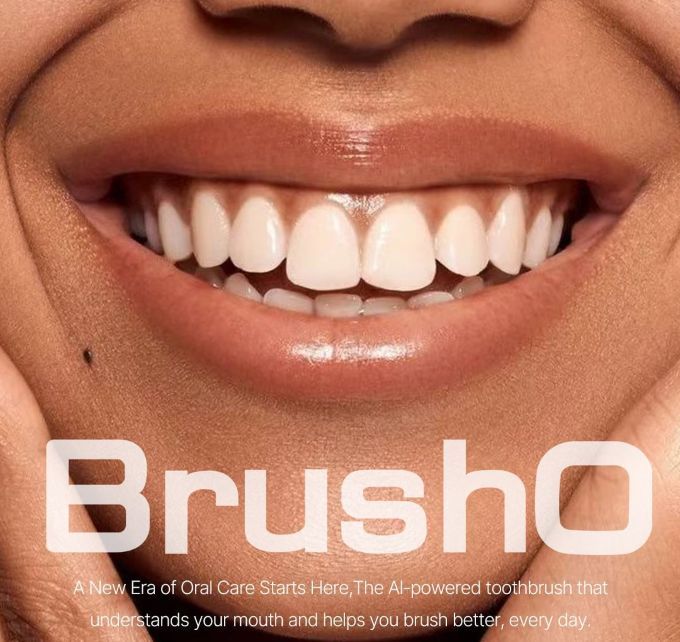
While you can’t control what’s in someone else’s mouth, you can control how clean your own is. BrushO’s smart features help maintain optimal oral health:
Prevents gum abrasion and overbrushing — keeping your barrier against bacteria intact.
Ensures no area is left behind — especially molars and gumlines where bacteria love to hide.
Daily brushing reports keep your oral hygiene consistent, reducing bacteria buildup.
BrushO turns brushing into a rewarding routine — no more skipping after social nights out.
The act of sharing a drink may feel trivial, but its microbial consequences can linger for years. With awareness and the right brushing tools, you can reduce risk and strengthen your defenses.
Your toothbrush can’t stop someone from handing you a drink, but it can help your mouth recover smarter and cleaner.
Jul 30
Jul 30
Jul 29
Jul 22
Jul 19
Jul 17

Hyperdontia is the presence of one or more teeth in excess of the normal dental formula, and the resulting teeth are described as supernumerary. The condition is common enough to appear in routine practice but variable enough in presentation that the decision to intervene is rarely straightforwar...

Few patients complete orthodontic treatment without asking whether their teeth will move back. The honest answer is that they will, to some degree, in the majority of cases. Relapse is not a failure of treatment but a predictable biological response, and understanding why it happens is the basis ...

The mandible is the largest and most frequently fractured bone of the facial skeleton, and its management sits at the interface between trauma surgery and restorative dentistry. Treatment has shifted over four decades from prolonged maxillomandibular fixation towards rigid internal fixation with ...

Chronic liver disease affects hundreds of millions of people worldwide, and its prevalence continues to rise with the epidemic of metabolic liver disease. The liver is central to haemostasis, drug metabolism and immune competence, and its failure therefore alters the risk profile of almost every ...

Excessive gingival display, commonly described as a gummy smile, is one of the most frequent aesthetic concerns presented to dental practitioners. The condition is not a single entity but a clinical presentation that can arise from skeletal, gingival, muscular or dental factors, and the treatment...

Drug-induced gingival overgrowth is a well-recognised adverse effect of several widely prescribed medications, and it remains one of the most common drug-related findings in periodontal practice. The condition produces firm, fibrous enlargement of the gingiva that can interfere with speech, masti...

Denture stomatitis is an inflammatory condition of the denture-bearing mucosa that affects a large proportion of removable prosthesis wearers, yet it is frequently dismissed as a cosmetic annoyance. The condition is driven by a Candida biofilm on the fitting surface of the prosthesis, and it is m...

Chronic kidney disease affects an estimated 850 million people worldwide, and the number of patients surviving on dialysis or with a renal transplant continues to rise. These patients carry an oral disease burden that is substantially higher than that of the general population, and their medical ...

Angular cheilitis is an inflammatory lesion of the labial commissures that presents with erythema, fissuring and crusting at the corners of the mouth. It is one of the most common conditions encountered in general dental practice, yet it is frequently treated as a simple fungal infection and allo...

Adverse reactions to dental materials are uncommon but they are not rare, and they are frequently misdiagnosed because the oral mucosa responds to allergens in a limited number of ways. A burning sensation, a persistent ulcer or an unexplained area of erythema may all represent a hypersensitivity...

BrushO AI इलेक्ट्रिक टूथब्रश रियल-टाइम ब्रशिंग गाइड, प्रेशर फीडबैक, कवरेज ट्रैकिंग और ऐप-आधारित प्रगति रिपोर्ट देता है, ताकि आपकी दैनिक दिनचर्या अधिक साफ और समझने योग्य बने।
BrushO AI इलेक्ट्रिक टूथब्रश रियल-टाइम ब्रशिंग गाइड, प्रेशर फीडबैक, कवरेज ट्रैकिंग और ऐप-आधारित प्रगति रिपोर्ट देता है, ताकि आपकी दैनिक दिनचर्या अधिक साफ और समझने योग्य बने।


Address: RM 1427, 14/F RADIO CITY 505, HENNESSY RD CAUSEWAY BAY, HONG KONG
Code: 000000
Phone: +852-53758652
Email: customerservice@brusho.com