
Jul 30
Jul 30
Jul 29
Jul 22
Jul 19
Jul 17
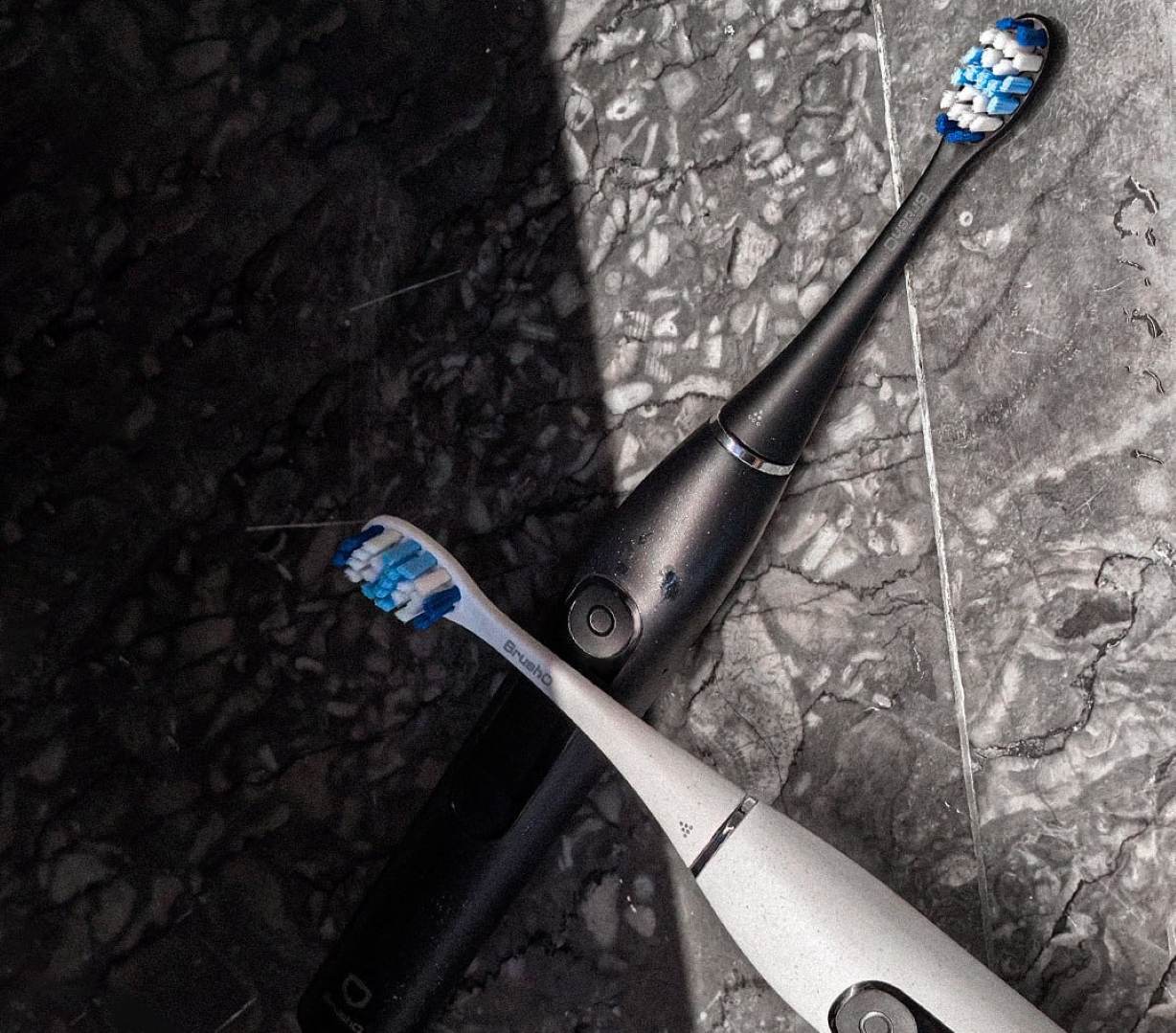
Do you need a timer in an electric toothbrush? Many people wonder if it’s a gimmick or an essential feature. Dentists recommend brushing for at least two minutes, but most people stop early without realizing it. A built-in timer ensures you brush for the recommended duration, cover every surface, and avoid both under- and over-brushing. In this article, we’ll explore why timers matter, what dentists say, and how the BrushO AI-Powered Toothbrush uses smart reminders to make brushing more effective.
Dental experts worldwide recommend brushing for two minutes, twice a day. Why?
Less than 2 minutes leaves plaque behind.
Over time, incomplete brushing leads to cavities and gum disease.
Kids and even adults often stop brushing after just 60 seconds.
👉 A toothbrush timer takes the guesswork out and ensures consistency.
Modern electric toothbrushes come with built-in timers:
2-minute countdowns → Guide you through the full routine.
30-second intervals → Remind you to switch quadrants (top-left, top-right, bottom-left, bottom-right).
Smart pauses or vibrations → Let you know when to move on.
These small reminders make a big difference in oral health outcomes.
Stopping too soon → Brushing only 45–60 seconds.
Ignoring some zones → Missing molars or gumline areas.
Over-brushing → Going too long or too hard, causing gum irritation.
👉 Timers help users stay balanced: not too short, not too long.
The BrushO AI-Powered Electric Toothbrush doesn’t just count minutes—it makes every second count:
Smart Timer → Ensures a full 2-minute session.
30-Second Quadrant Alerts → Guarantee equal coverage across your mouth.
Pressure Sensor + Timer Combo → Prevents brushing too hard for too long.
9 Brushing Modes → From Sensitive to Whitening, each optimized with smart timing.
AI Feedback in the App → Shows how consistent your sessions are and helps improve over time.
This makes BrushO more than a toothbrush—it’s a personal brushing coach.
Dentists emphasize that timers improve compliance:
Patients with electric toothbrush timers are more likely to brush for the full 2 minutes.
Consistency reduces plaque buildup and lowers the risk of gum disease.
Smart timers build better habits, especially for kids and orthodontic patients.
Q1: Is a timer necessary in every electric toothbrush?
Yes. Without one, most people brush less than the recommended 2 minutes.
Q2: Do timers stop the brush automatically?
Some do. BrushO keeps brushing but vibrates at intervals to guide you.
Q3: Can a timer prevent gum damage?
Indirectly. By keeping sessions consistent and pairing with BrushO’s pressure sensor, timers help protect gums.
So, do you really need a timer in an electric toothbrush? The answer is yes. A timer ensures you brush long enough, evenly, and safely—transforming an everyday habit into effective oral care.
With its AI-powered timer, pressure sensors, and quadrant reminders, the BrushO Toothbrush makes brushing smarter, easier, and more reliable.
Oct 9
Sep 28
Jul 30
Jul 30
Jul 29
Jul 22
Jul 19
Jul 17

If you are thirsty after brushing, choose plain water. Plan your usual bedtime drink before brushing and skip the immediate rinse at the sink.

Waterpik recommends warm water for its flossers. Check your own model and use comfortably lukewarm water if cold water feels sharp.

Let an intact handle return to room temperature before you consider charging it. Check your manual and watch for signs of battery or housing damage.

Lift away the paste, check the care label, and use cool water on washable fabric. Here is a quick approach for a fresh spot.

Turn the brush off, then check the fit, the connection, and the condition of the head. A second compatible head can help you narrow it down.

Look for a clean, rigid container with a secure lid and keep it with your belongings. A napkin on a lunch tray is easy to clear away.

Check the care directions for your clear retainer. Clinics give different instructions, and the right cleaning method depends on the appliance you received.

Try a gentle rinse first. If the hull sits between teeth and floss moves freely, make a careful pass and stop if it still feels stuck.

A tight gap or rough edge can catch floss. Notice where it snags, keep the movement gentle, and find out when to ask your dentist to check.

Your first sip can taste sharp after brushing. Here is what may be changing and how to make breakfast taste like breakfast again.

BrushO AI इलेक्ट्रिक टूथब्रश रियल-टाइम ब्रशिंग गाइड, प्रेशर फीडबैक, कवरेज ट्रैकिंग और ऐप-आधारित प्रगति रिपोर्ट देता है, ताकि आपकी दैनिक दिनचर्या अधिक साफ और समझने योग्य बने।
BrushO AI इलेक्ट्रिक टूथब्रश रियल-टाइम ब्रशिंग गाइड, प्रेशर फीडबैक, कवरेज ट्रैकिंग और ऐप-आधारित प्रगति रिपोर्ट देता है, ताकि आपकी दैनिक दिनचर्या अधिक साफ और समझने योग्य बने।


Address: RM 1427, 14/F RADIO CITY 505, HENNESSY RD CAUSEWAY BAY, HONG KONG
Code: 000000
Phone: +852-53758652
Email: customerservice@brusho.com