
Jul 30
Jul 30
Jul 29
Jul 22
Jul 19
Jul 17
Can you bring an electric toothbrush on a plane? The short answer is yes—but with conditions. Most airlines and airport security agencies allow passengers to carry electric toothbrushes in both checked luggage and carry-ons. However, if your toothbrush contains a lithium battery, it usually must go in your carry-on, not checked baggage. In this article, we’ll break down TSA rules, share travel-friendly packing tips, and explain why the BrushO Smart Electric Toothbrush, with its safe battery design, waterproof body, and Qi wireless charging compatibility, is the perfect companion for frequent flyers.
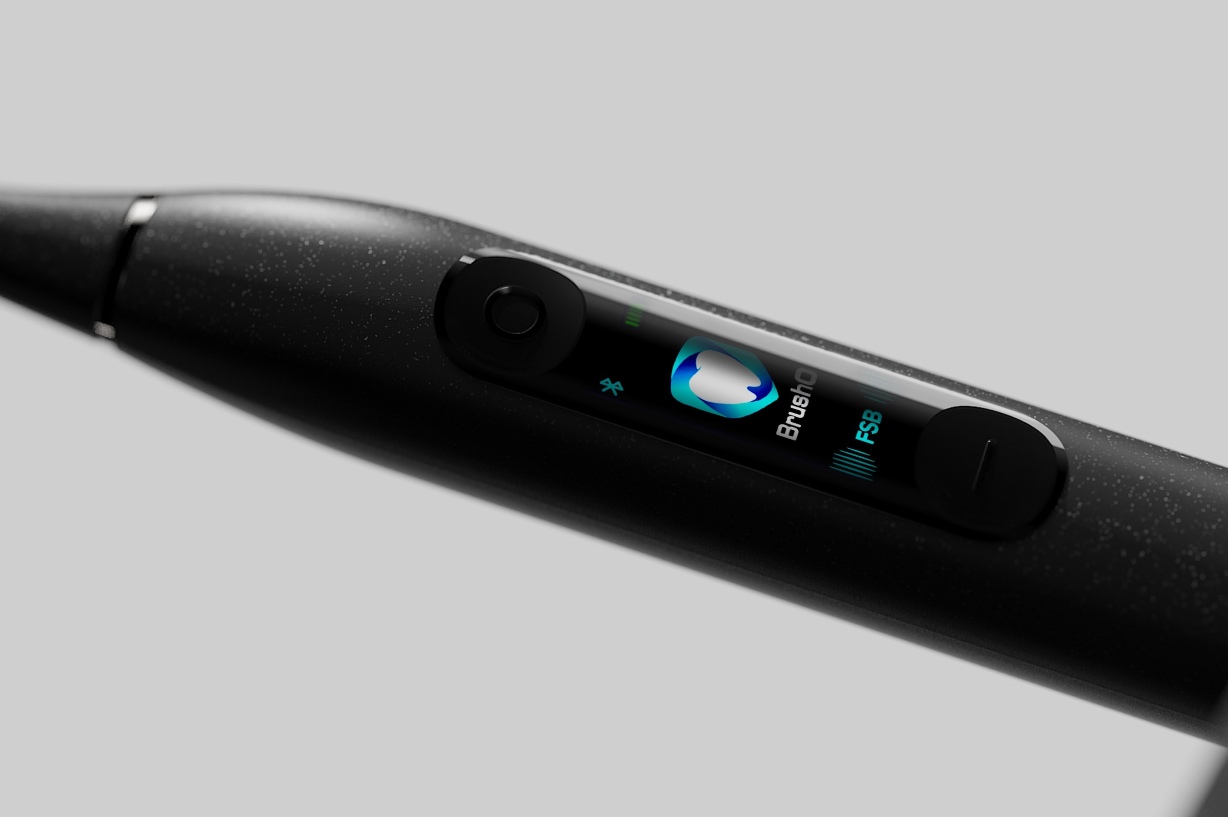
According to the Transportation Security Administration (TSA):
👉 The reason is simple: lithium batteries pose a small fire risk if damaged or short-circuited, so airlines prefer them in the cabin, where issues can be addressed quickly.
Not all electric toothbrushes use the same battery type:
Always check your airline’s rules before flying internationally, as some countries apply stricter limits.
Even when allowed in checked baggage, most dentists and frequent travelers recommend keeping your toothbrush in your carry-on. Why?
While TSA rules apply in the U.S., other countries have similar but not identical guidelines. For example:
Always double-check with your airline when flying abroad.
Travelers need more than just permission to bring their toothbrush—they need convenience, safety, and durability. This is where BrushO stands out:
Long-lasting rechargeable battery built to comply with TSA and international flight rules.
No need to carry bulky chargers, use the same Qi pad you charge your phone with.
Easy to rinse and keep clean while on the go.
Each set includes four replacement brush heads, so you won’t need to buy extras mid-trip.
From quick cleans on a short trip to deep cleans on long journeys, BrushO adapts to your needs.
👉 In short: BrushO is built for travel, making it easier to stay fresh and confident anywhere in the world.
Q1: Can I pack my electric toothbrush in checked luggage?
Yes, but if it has a lithium battery, it must go in your carry-on.
Q2: Will my toothbrush turn on during the flight?
Rarely, but turn it off before packing and consider locking it if your model allows.
Q3: Can I bring BrushO on international flights?
Yes. BrushO complies with TSA and international airline safety standards.
Q4: Do I need to carry the charger?
Not always. BrushO lasts up to 45 days on a single charge, so short trips often require no charger.
So, can you bring an electric toothbrush on a plane?
Absolutely—just follow the rules for batteries and pack smart. With BrushO’s safe battery design, Qi wireless charging, waterproof body, and long battery life, you’ll breeze through security and enjoy worry-free oral care while traveling.
Jul 30
Jul 30
Jul 29
Jul 22
Jul 19
Jul 17

Saliva has moved from the byproduct of the examination to the fluid that the modern practice can read, and the diagnostics that the salivary sample supports now reach from the caries risk to the periodontal inflammation and beyond. The fluid is easy to collect, safe to handle, and rich in the pro...

The narrow alveolar ridge is the common obstacle that the implant plan meets in the healed posterior site, and the ridge split technique is the approach that widens the crest without the block graft and the second surgical site. The technique uses the viscoelastic property of the bone, and the co...

The resin-bonded bridge is the conservative alternative to the conventional fixed prosthesis, and its place in the modern practice has widened as the adhesive dentistry matured. The prosthesis replaces the missing tooth with the minimal removal of the enamel from the abutment, and the retention i...

The systemic antibiotic has a defined and a narrow place in the periodontal therapy, and the clinician who respects its limits uses it well while the clinician who reaches for it routinely erodes both the result and the antibiotic stewardship. The mechanical debridement remains the foundation of ...

The bond failure of the bracket is the interruption that the fixed orthodontic treatment can tolerate in the small number but not in the pattern, and the clinician who understands the cause reduces the frequency that the repeated rebonding records. The failure that recurs on the single tooth poin...

The prescription pad is one of the most common sources of the oral complaint that the patient brings to the dental office, and the clinician who does not think of the medication may spend the appointment treating the symptom that the drug created. The list of the agents that affect the mouth grow...

The intraoral scanner has moved from the novelty of the early adopters to the standard equipment of the modern prosthodontic practice, and the comparison with the conventional impression has become a daily question rather than an academic one. The scanner captures the surface of the teeth and the...

The endodontic retreatment is the second chance that the tooth receives when the initial treatment fails to resolve the infection or the symptoms, and the procedure is both more demanding and more rewarding than the primary treatment. The clinician who retreats the tooth encounters the filling ma...

The access preparation is the gateway of every root canal treatment, and it is the step at which the outcome of the case is most often decided, for good or for ill. A well-designed access straightens the canal system, removes the coronal obstruction, and allows the instruments and the irrigants t...

The restoration that the laboratory returns is only as good as the information that the clinician sends, and the communication between the dentist and the technician is the step that determines whether the crown, the veneer, or the bridge meets the expectation of the patient. The shade, the form,...

BrushO AI इलेक्ट्रिक टूथब्रश रियल-टाइम ब्रशिंग गाइड, प्रेशर फीडबैक, कवरेज ट्रैकिंग और ऐप-आधारित प्रगति रिपोर्ट देता है, ताकि आपकी दैनिक दिनचर्या अधिक साफ और समझने योग्य बने।
BrushO AI इलेक्ट्रिक टूथब्रश रियल-टाइम ब्रशिंग गाइड, प्रेशर फीडबैक, कवरेज ट्रैकिंग और ऐप-आधारित प्रगति रिपोर्ट देता है, ताकि आपकी दैनिक दिनचर्या अधिक साफ और समझने योग्य बने।


Address: RM 1427, 14/F RADIO CITY 505, HENNESSY RD CAUSEWAY BAY, HONG KONG
Code: 000000
Phone: +852-53758652
Email: customerservice@brusho.com