
Jul 30
Jul 30
Jul 29
Jul 22
Jul 19
Jul 17
You’ve likely heard of oil pulling — the Ayurvedic ritual of swishing oil in your mouth for several minutes each day. Fans claim it removes toxins, whitens teeth, and even heals gums. But is it enough to take the place of your daily brushing routine? In this article, we separate fact from fiction and explain why oil pulling may be helpful, but is no substitute for a proper brushing habit — especially with smart tools like BrushO.
Oil pulling is the process of swishing oil (usually coconut, sesame, or sunflower oil) in the mouth for 10–20 minutes, then spitting it out. This practice, rooted in ancient Indian medicine, is believed to “pull” toxins and bacteria from the oral cavity.
• Fresher breath
• Reduced plaque
• Healthier gums
• Whiter teeth
But while it can complement oral care, it should not be viewed as a standalone replacement.
Brushing physically scrubs plaque off teeth. Oil pulling, while it may bind to some bacteria, doesn’t remove food debris, plaque buildup, or stains effectively.
Fluoride in toothpaste strengthens enamel and helps prevent decay — something oil simply can’t do.
While a few small studies show modest benefits, there’s no large-scale scientific consensus that oil pulling prevents cavities or gum disease.
Swishing oil for 20 minutes isn’t practical for most people — and often leads to inconsistent routines, which ultimately harm oral health.
If you enjoy oil pulling, use it as a supplementary step — ideally in the morning before brushing. But never skip these essentials:
• Twice-daily brushing with a soft-bristled electric toothbrush
• Flossing at least once a day
• Fluoride toothpaste for enamel protection
• Routine dental check-ups
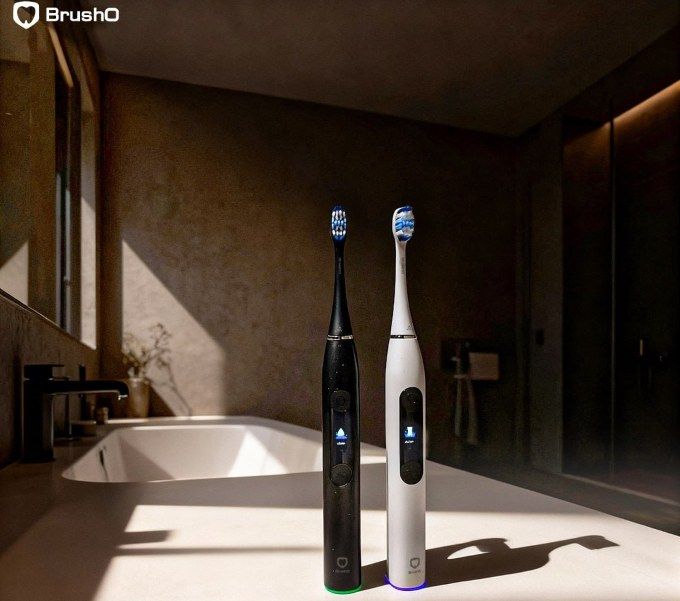
While oil pulling remains largely anecdotal, BrushO provides real data and measurable results. Here’s how:
• AI-guided coverage tracking
• Zone-by-zone brushing feedback
• Daily brushing reports via app
• Custom brushing modes for sensitivity, whitening, or deep clean
• Habit rewards system with BRUSH token incentives
With BrushO, you’re not guessing — you’re brushing smarter.
Oil pulling may offer a few fringe benefits, but it can’t replace the scientifically proven results of mechanical brushing with a smart tool like BrushO. If you’re seeking fresh breath, healthier gums, and cleaner teeth, brushing is still your best ally.
Want to make your brushing routine smarter and more rewarding?
Jul 30
Jul 30
Jul 29
Jul 22
Jul 19
Jul 17

If you are thirsty after brushing, choose plain water. Plan your usual bedtime drink before brushing and skip the immediate rinse at the sink.

Waterpik recommends warm water for its flossers. Check your own model and use comfortably lukewarm water if cold water feels sharp.

Let an intact handle return to room temperature before you consider charging it. Check your manual and watch for signs of battery or housing damage.

Lift away the paste, check the care label, and use cool water on washable fabric. Here is a quick approach for a fresh spot.

Turn the brush off, then check the fit, the connection, and the condition of the head. A second compatible head can help you narrow it down.

Look for a clean, rigid container with a secure lid and keep it with your belongings. A napkin on a lunch tray is easy to clear away.

Check the care directions for your clear retainer. Clinics give different instructions, and the right cleaning method depends on the appliance you received.

Try a gentle rinse first. If the hull sits between teeth and floss moves freely, make a careful pass and stop if it still feels stuck.

A tight gap or rough edge can catch floss. Notice where it snags, keep the movement gentle, and find out when to ask your dentist to check.

Your first sip can taste sharp after brushing. Here is what may be changing and how to make breakfast taste like breakfast again.

BrushO AI इलेक्ट्रिक टूथब्रश रियल-टाइम ब्रशिंग गाइड, प्रेशर फीडबैक, कवरेज ट्रैकिंग और ऐप-आधारित प्रगति रिपोर्ट देता है, ताकि आपकी दैनिक दिनचर्या अधिक साफ और समझने योग्य बने।
BrushO AI इलेक्ट्रिक टूथब्रश रियल-टाइम ब्रशिंग गाइड, प्रेशर फीडबैक, कवरेज ट्रैकिंग और ऐप-आधारित प्रगति रिपोर्ट देता है, ताकि आपकी दैनिक दिनचर्या अधिक साफ और समझने योग्य बने।


Address: RM 1427, 14/F RADIO CITY 505, HENNESSY RD CAUSEWAY BAY, HONG KONG
Code: 000000
Phone: +852-53758652
Email: customerservice@brusho.com