
Jul 30
Jul 30
Jul 29
Jul 22
Jul 19
Jul 17
Most people believe that brushing and flossing are enough to maintain oral health. But the truth is, even with good intentions, common mistakes and oversights can lead to enamel wear, plaque buildup, and gum issues. This article helps you assess your daily routine and introduces modern solutions like smart toothbrushes to ensure you’re truly doing enough for your teeth.
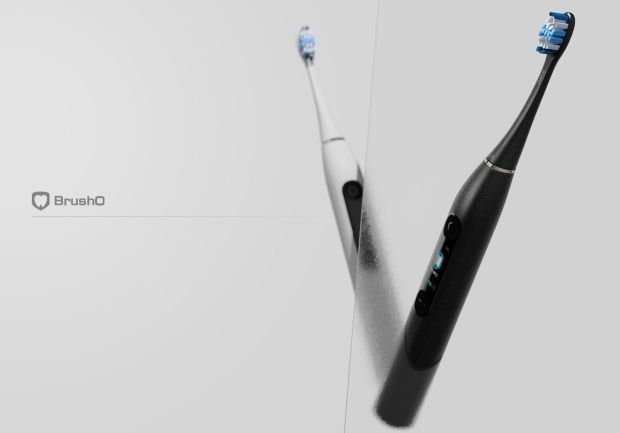
Brushing every morning and night. Maybe flossing occasionally. Use mouthwash when you remember. Sound familiar? These are the basics many people follow, but basic doesn’t always mean effective. Modern oral health science shows us that technique, timing, and consistency matter just as much as frequency. Without the right approach, you might be brushing regularly—but still leaving your teeth vulnerable.
You might feel like your oral care is solid, but your mouth could be telling you otherwise. Look for these subtle red flags:
• Persistent bad breath even after brushing
• Bleeding gums when flossing or brushing
• Tooth sensitivity to cold or heat
• Yellowing teeth despite daily brushing
• Plaque or tartar buildup near the gumline
These signs suggest your routine needs upgrading—not just more time, but better technique and smarter tools.
Many people miss the inner surfaces of teeth or rush through brushing, leaving behind bacteria and food particles in hard-to-reach areas.
Brushing too hard or using stiff bristles can damage enamel and irritate gums.
Plaque buildup at the gumline leads to gingivitis and long-term gum recession.
Flossing removes debris between teeth that brushing can’t reach, and cleaning your tongue reduces odor-causing bacteria.
Traditional brushing is a guessing game. But with BrushO, you get data-driven support to improve your technique and develop better habits.
✅ Real-time brushing feedback to ensure full-mouth coverage
✅ Pressure sensors to prevent overbrushing
✅ Zone-by-zone guidance to target hard-to-reach areas
✅ Daily reports to track consistency and improvement
✅ Motivational scoring and rewards for staying on track
This goes beyond just brushing—it’s personalized coaching for your smile.
AI tools like BrushO adapt to your habits and correct mistakes you might not even notice.
Brush for 2 full minutes, twice daily—no rushing. Smart devices help keep you accountable.
Yes, daily. Even if it’s just once at night, it makes a big difference.
Use a tongue scraper or the back of your brush head to remove odor-causing bacteria.
Especially after acidic meals. Wait 30 minutes to protect enamel.
Professional cleanings and early detection are essential.
Oral care isn’t just about frequency—it’s about precision, consistency, and awareness. If you’re not using tools that guide and improve your brushing technique, you may be falling short without realizing it. BrushO empowers you to do more with less effort—smarter brushing, better results, and a healthier smile for life. BrushO is a next-gen AI-powered toothbrush that transforms daily brushing into a fully guided, personalized experience. With real-time feedback, pressure sensors, and habit tracking, BrushO helps users brush smarter, not harder—ensuring their teeth are truly cared for.
Jan 23
Jan 23
Jul 30
Jul 30
Jul 29
Jul 22
Jul 19
Jul 17

PPM describes concentration, not the amount to put on the brush. Learn how to read fluoride information while keeping regional guidance and individual advice in view.

That forgotten tube deserves a label check. Learn what toothpaste shelf-life information refers to, why storage matters, and how to avoid guessing from appearance.

Clear gel or opaque paste? Texture is only one feature. Learn which label details matter when comparing toothpastes for your brushing routine.

Minty toothpaste can create a cooling sensation without being chilled. Explore what menthol does and why a fresh feeling is different from complete cleaning.

The sound of a powered brush comes with its moving mechanism. Learn how normal operating noise differs from alerts or an unexpected change that needs checking.

Toothpaste on the mirror? Check when you switch the brush on and off, how you position it, and how to pause without rushing your routine.

A whitening brushing program and a bleaching treatment are different things. Learn how to interpret mode names, surface-stain claims, and realistic expectations.

A tiny cluster of bristles serves a different purpose from a full-size head. Learn where a single-tuft brush may fit into an individually recommended cleaning routine.

Angled tufts, different bristle heights, and the angle of your hand are separate design questions. Learn how to read a toothbrush-head description clearly.

A larger head is not an automatic shortcut to cleaner teeth. Learn how head size affects access, positioning, and the fit of your daily brushing routine.

BrushO AI इलेक्ट्रिक टूथब्रश रियल-टाइम ब्रशिंग गाइड, प्रेशर फीडबैक, कवरेज ट्रैकिंग और ऐप-आधारित प्रगति रिपोर्ट देता है, ताकि आपकी दैनिक दिनचर्या अधिक साफ और समझने योग्य बने।
BrushO AI इलेक्ट्रिक टूथब्रश रियल-टाइम ब्रशिंग गाइड, प्रेशर फीडबैक, कवरेज ट्रैकिंग और ऐप-आधारित प्रगति रिपोर्ट देता है, ताकि आपकी दैनिक दिनचर्या अधिक साफ और समझने योग्य बने।


Address: RM 1427, 14/F RADIO CITY 505, HENNESSY RD CAUSEWAY BAY, HONG KONG
Code: 000000
Phone: +852-53758652
Email: customerservice@brusho.com