
Jul 30
Jul 30
Jul 29
Jul 22
Jul 19
Jul 17
We often notice the signs of aging on our skin—wrinkles, dryness, and loss of elasticity—but the mouth is where aging often happens first and goes unnoticed. Your teeth and gums endure constant stress from eating, drinking, and speaking. Unlike skin, which can regenerate to some extent, damage to teeth and gums is permanent. This article explores why your mouth ages faster than your skin and how you can protect it through better oral care habits and smart technology like BrushO.
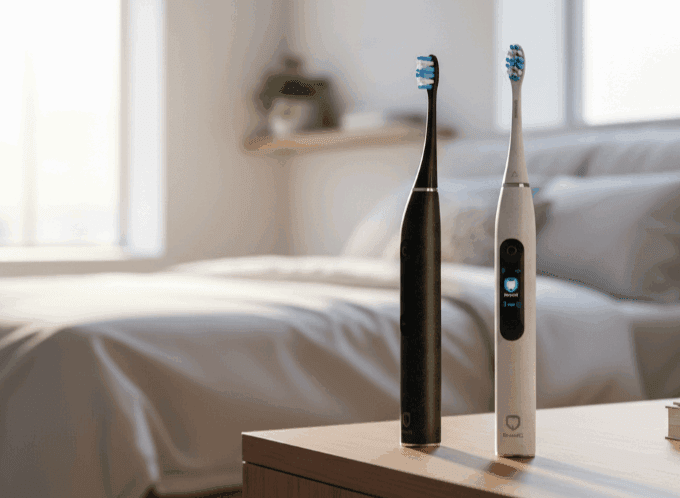
Your mouth is one of the most active parts of your body. Every day it’s exposed to:
• Acids from food and drinks
• Bacteria that produce toxins
• Friction from chewing
• Mechanical pressure from brushing
• Dehydration and temperature shifts
Unlike skin, tooth enamel doesn’t regenerate. Once it wears down, it’s gone forever. Gum tissue, too, can recede over time and rarely returns to its original state.
Even if your smile looks white and bright, signs of internal aging may include:
• Enamel thinning – edges of teeth look translucent
• Tooth sensitivity – hot or cold foods cause discomfort
• Yellowing – dentin shows through thinning enamel
• Gum recession – teeth appear longer; roots exposed
• Dry mouth – especially common as you age or take medications
• Frequent plaque buildup – slower saliva flow reduces self-cleaning
These changes often begin subtly but worsen without proactive care.
Brushing too hard, too quickly, or inconsistently can erode enamel and irritate gums.
Neglecting these steps allows bacteria to thrive in hidden places.
Frequent snacking, soda, or citrus weakens enamel and feeds harmful bacteria.
Dry mouth is common with aging and certain medications, leading to faster decay and gum issues.
Clenching and grinding—especially at night—accelerates wear and shortens the lifespan of your teeth.
While aging can’t be stopped, you can slow down oral aging dramatically with mindful care:
BrushO helps users:
• Apply the right brushing pressure
• Cover all 6 zones and 16 surfaces evenly
• Avoid overbrushing and enamel damage
• Receive habit feedback reports to build consistency
• Get real-time alerts if you’re brushing too hard or missing areas
Wait at least 30 minutes to prevent brushing softened enamel.
Water helps flush acids and promotes saliva production, which naturally protects your teeth.
Professional cleanings and early detection of issues are key to long-term oral youthfulness.
Protect teeth from grinding-related wear during sleep.
Traditional brushing offers no feedback or guidance. BrushO changes that.
• Real-time zone tracking helps you stop missing the same spots
• Pressure sensors protect enamel and gums
• Streak rewards encourage habit formation
• Custom modes target sensitivity, whitening, or gum care
BrushO transforms daily brushing into a data-driven defense system against the effects of aging.
Your skin may show the signs of aging, but your mouth often feels them first. From enamel wear to gum recession and dry mouth, your smile is under attack daily. The good news? With smart habits, regular hydration, and the help of AI-powered tools like BrushO, you can maintain a healthy, youthful mouth that lasts a lifetime.
Jan 23
Jan 22
Jul 30
Jul 30
Jul 29
Jul 22
Jul 19
Jul 17

PPM describes concentration, not the amount to put on the brush. Learn how to read fluoride information while keeping regional guidance and individual advice in view.

That forgotten tube deserves a label check. Learn what toothpaste shelf-life information refers to, why storage matters, and how to avoid guessing from appearance.

Clear gel or opaque paste? Texture is only one feature. Learn which label details matter when comparing toothpastes for your brushing routine.

Minty toothpaste can create a cooling sensation without being chilled. Explore what menthol does and why a fresh feeling is different from complete cleaning.

The sound of a powered brush comes with its moving mechanism. Learn how normal operating noise differs from alerts or an unexpected change that needs checking.

Toothpaste on the mirror? Check when you switch the brush on and off, how you position it, and how to pause without rushing your routine.

A whitening brushing program and a bleaching treatment are different things. Learn how to interpret mode names, surface-stain claims, and realistic expectations.

A tiny cluster of bristles serves a different purpose from a full-size head. Learn where a single-tuft brush may fit into an individually recommended cleaning routine.

Angled tufts, different bristle heights, and the angle of your hand are separate design questions. Learn how to read a toothbrush-head description clearly.

A larger head is not an automatic shortcut to cleaner teeth. Learn how head size affects access, positioning, and the fit of your daily brushing routine.

La brosse à dents électrique BrushO avec IA offre un guidage en temps réel, un retour sur la pression, un suivi de la couverture et des rapports de progression dans l’app pour une routine quotidienne plus propre.
La brosse à dents électrique BrushO avec IA offre un guidage en temps réel, un retour sur la pression, un suivi de la couverture et des rapports de progression dans l’app pour une routine quotidienne plus propre.


Address: RM 1427, 14/F RADIO CITY 505, HENNESSY RD CAUSEWAY BAY, HONG KONG
Code: 000000
Phone: +852-53758652
Email: customerservice@brusho.com