
Jul 30
Jul 30
Jul 29
Jul 22
Jul 19
Jul 17
Not all mouths are the same—and your brushing routine shouldn’t be either. A one-size-fits-all approach can leave key problem areas untouched, worsen existing gum conditions, or even cause enamel wear. A personalized brushing plan considers your specific oral health profile: sensitive areas, plaque buildup zones, gumline conditions, brushing technique, and more. In this article, we explain the science behind personalized dental care and how AI-powered toothbrushes like BrushO use real-time data to build adaptive, customized brushing guidance that evolves with your needs.
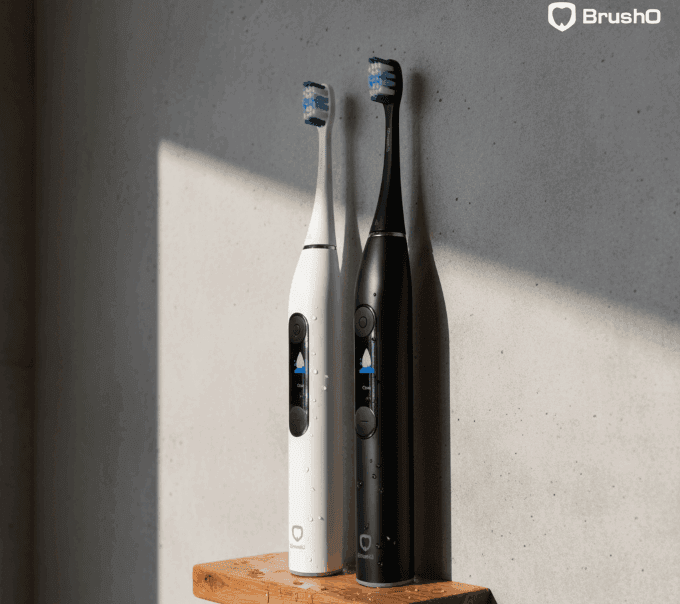
Most people are taught to brush twice a day for two minutes—but this blanket recommendation doesn’t account for individual differences, such as:
• Crowded or misaligned teeth
• Varying gum sensitivity or recession
• Orthodontic appliances or implants
• Left-behind plaque in “missed zones”
• Overbrushing or brushing too fast
Without tailored adjustments, people often under-brush high-risk areas and overbrush healthy ones, leading to avoidable problems like gum damage, cavities, and tooth wear.
A true personalized brushing plan involves more than a schedule. It incorporates:
• Zone-Based Guidance: Divides the mouth into 6 zones and 16 surfaces, prioritizing areas with higher plaque or bleeding risk.
• Technique Optimization: Adjusts brushing pressure, angle, and speed based on how you brush in real-time.
• Time Allocation: Extends time on neglected or problem-prone areas.
• Adaptive Recommendations: Evolves with your brushing data over time.
• User Profile: Considers factors like age, dental history, and gum health.
BrushO’s proprietary FSB (Fully Smart Brushing) technology offers intelligent adaptation that no manual brushing or basic electric brush can provide.
BrushO Features That Enable Personalization:
• Detects excessive pressure and alerts you instantly.
• Tracks hand motion, speed, and consistency.
• Ensures no tooth or gumline is skipped.
• Highlights areas missed in the daily brushing report.
• Weekly performance data triggers customized brushing recommendations.
• You receive tips via app based on your brushing “score.”
• The more you brush, the smarter it gets—adjusting feedback based on patterns.
• The more consistently you follow your plan, the more BrushO points you earn—turning good habits into lasting motivation.
With a personalized brushing plan, you’re more likely to:
• Prevent localized plaque buildup
• Reverse early-stage gum disease (gingivitis)
• Avoid enamel erosion from overbrushing
• Reduce dental hypersensitivity
• Achieve more even whitening over time
• Improve tongue and gumline hygiene
Personalization leads to better long-term outcomes than generic routines, as shown in clinical studies involving AI-powered brushing assistance.
Thanks to accessible smart toothbrushes like BrushO, you no longer need to guess if you’re brushing well. You can measure, adapt, and improve—with feedback as personal as your fingerprint. Whether you’re managing braces, sensitive gums, or just trying to prevent dental issues, a personalized brushing plan can save you thousands in dental bills and preserve your oral wellness for life. Oral health is personal—so should be your brushing plan. With BrushO, you’re not just brushing your teeth; you’re brushing smarter, safer, and specifically for you.
Jan 28
Jan 28
Jul 30
Jul 30
Jul 29
Jul 22
Jul 19
Jul 17

PPM describes concentration, not the amount to put on the brush. Learn how to read fluoride information while keeping regional guidance and individual advice in view.

That forgotten tube deserves a label check. Learn what toothpaste shelf-life information refers to, why storage matters, and how to avoid guessing from appearance.

Clear gel or opaque paste? Texture is only one feature. Learn which label details matter when comparing toothpastes for your brushing routine.

Minty toothpaste can create a cooling sensation without being chilled. Explore what menthol does and why a fresh feeling is different from complete cleaning.

The sound of a powered brush comes with its moving mechanism. Learn how normal operating noise differs from alerts or an unexpected change that needs checking.

Toothpaste on the mirror? Check when you switch the brush on and off, how you position it, and how to pause without rushing your routine.

A whitening brushing program and a bleaching treatment are different things. Learn how to interpret mode names, surface-stain claims, and realistic expectations.

A tiny cluster of bristles serves a different purpose from a full-size head. Learn where a single-tuft brush may fit into an individually recommended cleaning routine.

Angled tufts, different bristle heights, and the angle of your hand are separate design questions. Learn how to read a toothbrush-head description clearly.

A larger head is not an automatic shortcut to cleaner teeth. Learn how head size affects access, positioning, and the fit of your daily brushing routine.

La brosse à dents électrique BrushO avec IA offre un guidage en temps réel, un retour sur la pression, un suivi de la couverture et des rapports de progression dans l’app pour une routine quotidienne plus propre.
La brosse à dents électrique BrushO avec IA offre un guidage en temps réel, un retour sur la pression, un suivi de la couverture et des rapports de progression dans l’app pour une routine quotidienne plus propre.


Address: RM 1427, 14/F RADIO CITY 505, HENNESSY RD CAUSEWAY BAY, HONG KONG
Code: 000000
Phone: +852-53758652
Email: customerservice@brusho.com