
Jul 30
Jul 30
Jul 29
Jul 22
Jul 19
Jul 17
Intermittent fasting (IF) is often praised for its weight loss and metabolic benefits—but did you know it may also promote better oral health? By limiting the frequency and timing of food intake, IF can reduce acid attacks on your teeth, lower plaque buildup, and support a healthier oral microbiome. Combined with smart brushing tools like BrushO, intermittent fasting not only benefits your body but also helps protect your smile.
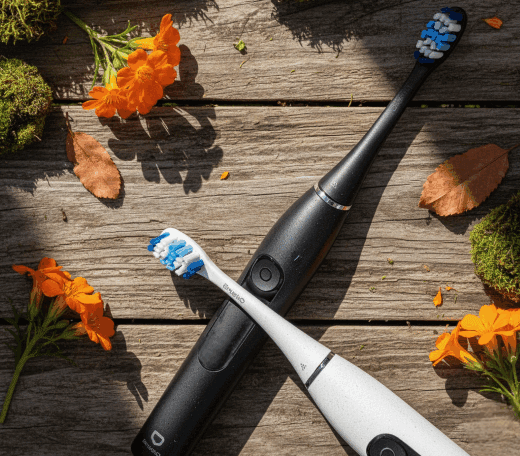
Intermittent fasting involves eating during specific time windows and fasting for the remaining hours. Common schedules include 16:8 (fast for 16 hours, eat during 8) or alternate-day fasting. While its systemic benefits—like blood sugar control and weight loss—are widely known, here’s how it uniquely impacts your oral health:
Every time you eat, bacteria in your mouth feed on sugars and starches, producing acids that erode enamel. By reducing the number of meals or snacks per day, IF lowers the frequency of acid exposure, giving your enamel more time to recover naturally between meals.
During fasting periods, saliva flow stabilizes, allowing it to do its job: neutralizing acids, washing away food particles, and supporting beneficial bacteria. Constant snacking disrupts this cycle, but IF gives your mouth a chance to reset and rebalance.
With fewer eating sessions, plaque-producing bacteria have less fuel, leading to a reduction in plaque formation and inflammation around the gums. This helps decrease the risk of gingivitis and periodontitis over time.
Surprisingly, IF can help with halitosis (bad breath). Fasting reduces the accumulation of food debris and bacteria in the mouth, especially when paired with good hydration and smart brushing. Fewer late-night snacks also mean your mouth is cleaner during long sleep hours.
While there are benefits, there are also potential risks if oral hygiene is neglected during IF:
• Dry Mouth: Some people forget to hydrate during fasting windows, leading to reduced saliva and increased bacterial activity.
• Skipping Brushing: Fasting can disrupt routines, causing people to skip morning or night brushing unintentionally.
• Acidic Break-Fasts: Breaking a fast with citrus or high-acid foods (like apple cider vinegar) can temporarily soften enamel if not followed by proper care.
BrushO’s AI-powered smart toothbrush is an ideal companion for those practicing IF. Here’s how it helps:
✅ Smart Reminders to brush before and after fasting windows.
✅ Real-Time Feedback on pressure and coverage to ensure enamel protection.
✅ Custom Brushing Modes like “Sensitive” or “Deep Clean” for post-fast recovery.
✅ Habit Tracking so users don’t forget night brushing after early fasting.
✅ $BRUSH Rewards to encourage consistent care even when routines shift.
🕗 Brush Before Fasting Begins: Clean your mouth thoroughly before your fast starts, especially if you won’t eat for 12+ hours.
💧 Stay Hydrated: Drink water during eating windows to keep your mouth moist and support saliva production.
🍽️ Break Fast Wisely: Avoid highly acidic foods first. Wait 30 minutes before brushing after acidic meals.
🪥 Use AI Tools: Let BrushO guide your brushing to make sure you don’t miss critical zones, especially if you’re adjusting to a new eating schedule.
Intermittent fasting is more than a dietary trend—it’s a potential ally in your oral health journey. Fewer meals mean fewer acid attacks, better saliva regulation, and less plaque. However, fasting without proper brushing can backfire. That’s where BrushO shines—combining AI guidance, habit tracking, and custom brushing modes to keep your teeth protected, even while you fast.
BrushO is an AI-powered smart toothbrush that transforms brushing into a personalized, data-driven wellness habit. With zone-based feedback, real-time coaching, and $BRUSH token rewards, BrushO empowers users to take control of their oral health—whether fasting, feasting, or anywhere in between.
Jan 16
Jan 15
Jul 30
Jul 30
Jul 29
Jul 22
Jul 19
Jul 17

Wisdom teeth, or third molars, are the last teeth to erupt, and a large proportion of them never achieve a functional position. When a wisdom tooth is trapped beneath the gum or bone, it is described as impacted, and the decision to remove it is one of the most common surgical judgments in dentis...

Disk displacement is the most common internal derangement of the temporomandibular joint (TMJ) and a frequent reason for orofacial pain consultations. Magnetic resonance imaging (MRI) is the accepted gold standard for confirming the position of the articular disk because it visualizes soft tissue...

Pulp sensibility testing remains the first diagnostic step before any endodontic intervention. Cold, heat and electric pulp tests (EPT) probe the neural response of the pulp through enamel and dentin, and their results decide whether a tooth needs root canal treatment, a direct pulp cap or simple...

Mouthguards protect teeth from sports trauma and night-time grinding, but a dirty guard can become a reservoir for bacteria, fungi and oral disease. Studies show that used mouthguards accumulate plaque, streptococci and Candida within days of normal wear, and poor hygiene has been linked to gingi...

Halitosis, or persistent bad breath, affects a large share of the adult population and carries real social and psychological consequences. In the vast majority of cases the source is the mouth itself, and the most important reservoir is the coating on the dorsal surface of the tongue. Understandi...

Root canal treatment succeeds only when instrumentation stops at the right place. Working length is the distance from a stable coronal reference point to the apical constriction, and every millimeter of error changes the outcome: over-instrumentation pushes debris and irrigant beyond the apex, wh...

Dry mouth is one of the most common complaints in dental practice, yet it is frequently underestimated. Xerostomia is the subjective feeling of oral dryness, while salivary hypofunction is the measurable reduction in saliva output, and the two do not always coincide. Because saliva protects teeth...

Diabetes affects more than blood sugar, and the mouth is often one of the first places where the disease makes itself known. The relationship is genuinely bidirectional: uncontrolled diabetes increases the risk and severity of periodontal disease, while severe gum inflammation makes blood sugar h...

Enamel is the hardest tissue in the human body, but it is not indestructible. Dental erosion is the chemical dissolution of enamel by acids that are not produced by bacteria, and modern diets supply those acids in abundance. Understanding how acidic foods and drinks attack the tooth surface is th...

A good toothbrush should work as well in a hotel bathroom as it does at home, and that is exactly what BrushO Travel Mode is designed to do. By lowering motor speed and trimming acoustic output, Travel Mode keeps the full two-minute cleaning routine in a form that is discreet enough for shared ro...

La brosse à dents électrique BrushO avec IA offre un guidage en temps réel, un retour sur la pression, un suivi de la couverture et des rapports de progression dans l’app pour une routine quotidienne plus propre.
La brosse à dents électrique BrushO avec IA offre un guidage en temps réel, un retour sur la pression, un suivi de la couverture et des rapports de progression dans l’app pour une routine quotidienne plus propre.


Address: RM 1427, 14/F RADIO CITY 505, HENNESSY RD CAUSEWAY BAY, HONG KONG
Code: 000000
Phone: +852-53758652
Email: customerservice@brusho.com