
Jul 30
Jul 30
Jul 29
Jul 22
Jul 19
Jul 17
Getting kids to brush their teeth properly can be a battle—but it doesn’t have to be. The key isn’t force, it’s fun, consistency, and feedback. By making brushing feel like a game rather than a chore, you can lay the foundation for a lifetime of healthy habits. With features like smart pressure alerts, zone tracking, and built-in rewards, BrushO helps children build confidence and independence in their brushing routines. This article explores age-appropriate techniques, app-based motivation, and practical tips for turning brushing into something kids actually look forward to.
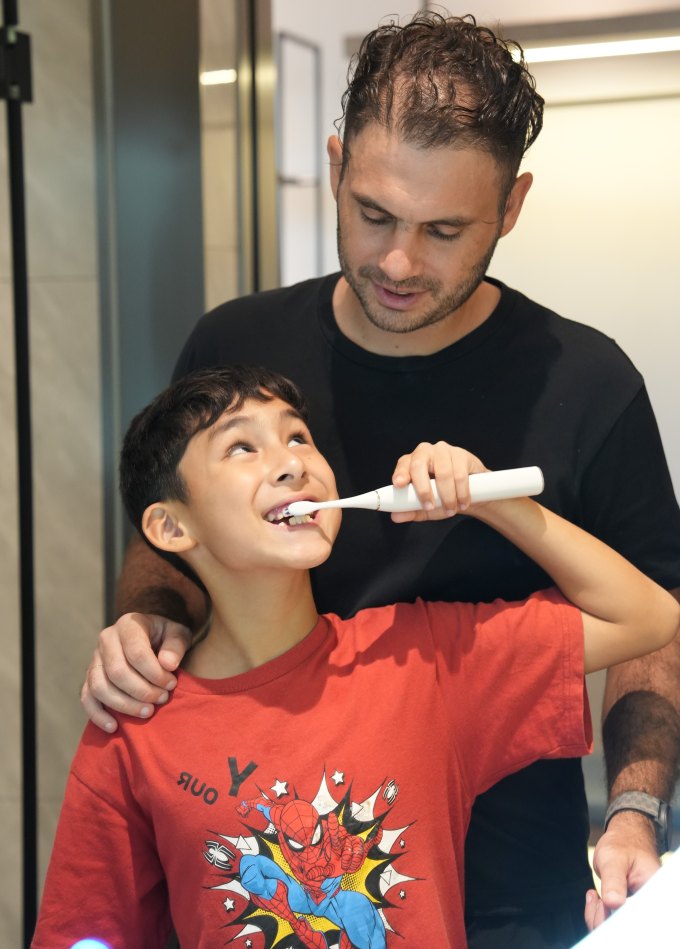
Children are more susceptible to cavities and early gum issues because their brushing technique is still developing. Learning proper brushing pressure, duration, and full-mouth coverage early on can prevent problems later in life. But getting there takes patience—and the right tools.
Kids respond best to positive reinforcement and engaging routines. Here’s how to make brushing more enjoyable:
• Zone tracking helps kids understand where they missed.
• Pressure sensors alert them gently if they’re brushing too hard.
• The BrushO app offers visual guides and progress charts, which turn brushing into a game with goals.
Set up a sticker chart or use BrushO’s digital rewards system to earn points. For example:
• 3 days of proper brushing = fun prize
• 10-day streak = free brush head (BrushO offers lifetime head rewards!)
Help kids memorize this simple brushing formula:
2 minutes, twice a day.
BrushO’s built-in timer and music integration can keep kids on track without nagging.
BrushO offers multiple modes, including Clean, Gum Care, and fully customizable settings. Let your child pick the one they like—it creates a sense of ownership and curiosity.
Routines are easier when parents lead by example. Brush alongside your child using your own BrushO brush, and compare brushing scores through the app. You can even make it a challenge:
“Let’s see who gets a better brushing report today!”
Celebrate small wins:
• “You brushed all 6 zones today—awesome!”
• “No pressure alerts! Great job being gentle.”
Positive feedback goes a long way in reinforcing long-term habits.
• Ages 3–6: Focus on guided brushing with parental supervision.
• Ages 7–10: Introduce app progress tracking and light challenges.
• Ages 11+: Allow independent app usage and reward tracking.
BrushO’s data visuals help kids grow more aware of their own routines and make informed decisions—even before they fully understand dental health.
BrushO is an AI-powered electric toothbrush brand that helps kids and adults build smart oral care habits. With zone-by-zone tracking, gentle feedback, customizable modes, and a fun rewards system, BrushO turns daily brushing into a healthy, interactive routine.
Nov 6
Nov 6
Jul 30
Jul 30
Jul 29
Jul 22
Jul 19
Jul 17

Hyperdontia is the presence of one or more teeth in excess of the normal dental formula, and the resulting teeth are described as supernumerary. The condition is common enough to appear in routine practice but variable enough in presentation that the decision to intervene is rarely straightforwar...

Few patients complete orthodontic treatment without asking whether their teeth will move back. The honest answer is that they will, to some degree, in the majority of cases. Relapse is not a failure of treatment but a predictable biological response, and understanding why it happens is the basis ...

The mandible is the largest and most frequently fractured bone of the facial skeleton, and its management sits at the interface between trauma surgery and restorative dentistry. Treatment has shifted over four decades from prolonged maxillomandibular fixation towards rigid internal fixation with ...

Chronic liver disease affects hundreds of millions of people worldwide, and its prevalence continues to rise with the epidemic of metabolic liver disease. The liver is central to haemostasis, drug metabolism and immune competence, and its failure therefore alters the risk profile of almost every ...

Excessive gingival display, commonly described as a gummy smile, is one of the most frequent aesthetic concerns presented to dental practitioners. The condition is not a single entity but a clinical presentation that can arise from skeletal, gingival, muscular or dental factors, and the treatment...

Drug-induced gingival overgrowth is a well-recognised adverse effect of several widely prescribed medications, and it remains one of the most common drug-related findings in periodontal practice. The condition produces firm, fibrous enlargement of the gingiva that can interfere with speech, masti...

Denture stomatitis is an inflammatory condition of the denture-bearing mucosa that affects a large proportion of removable prosthesis wearers, yet it is frequently dismissed as a cosmetic annoyance. The condition is driven by a Candida biofilm on the fitting surface of the prosthesis, and it is m...

Chronic kidney disease affects an estimated 850 million people worldwide, and the number of patients surviving on dialysis or with a renal transplant continues to rise. These patients carry an oral disease burden that is substantially higher than that of the general population, and their medical ...

Angular cheilitis is an inflammatory lesion of the labial commissures that presents with erythema, fissuring and crusting at the corners of the mouth. It is one of the most common conditions encountered in general dental practice, yet it is frequently treated as a simple fungal infection and allo...

Adverse reactions to dental materials are uncommon but they are not rare, and they are frequently misdiagnosed because the oral mucosa responds to allergens in a limited number of ways. A burning sensation, a persistent ulcer or an unexplained area of erythema may all represent a hypersensitivity...

La brosse à dents électrique BrushO avec IA offre un guidage en temps réel, un retour sur la pression, un suivi de la couverture et des rapports de progression dans l’app pour une routine quotidienne plus propre.
La brosse à dents électrique BrushO avec IA offre un guidage en temps réel, un retour sur la pression, un suivi de la couverture et des rapports de progression dans l’app pour une routine quotidienne plus propre.


Address: RM 1427, 14/F RADIO CITY 505, HENNESSY RD CAUSEWAY BAY, HONG KONG
Code: 000000
Phone: +852-53758652
Email: customerservice@brusho.com