
Jul 30
Jul 30
Jul 29
Jul 22
Jul 19
Jul 17
While fried and hot foods are staples in many diets, they come with hidden risks for your dental health. From enamel erosion to increased sensitivity, regularly consuming these foods can have long-term effects on your smile. This article explores how high temperatures, grease, and texture impact your oral well-being—and how smart brushing tools like BrushO can help you counteract the damage.
Fried foods like chips, fried chicken, and tempura may satisfy cravings, but they can cause several oral health issues:
Fried foods often contain refined starches that break down into sugars, feeding harmful bacteria in your mouth. Combined with oil, these foods can stick to teeth longer, leading to plaque buildup.
Greasy residue can coat your mouth, creating an environment where bacteria thrive, especially if oral hygiene is neglected after eating.
Many fried foods are salty, which may lead to dehydration or reduced saliva flow. Without enough saliva, your mouth loses its natural cleansing mechanism, leaving acids and food particles behind.
It’s not just what you eat, but how hot it is:
Very hot foods or drinks (like soups or sizzling meats) can cause micro-cracks in enamel, especially when followed by cold beverages—this sudden temperature change stresses the enamel.
Over time, repeated exposure to extreme temperatures can make your teeth more sensitive to hot and cold foods.
Hot foods can scald your gums, palate, or inner cheeks, making them more vulnerable to infection or sores if not properly cleaned.
• French fries and hash browns
• Fried chicken or battered fish
• Tempura and deep-fried snacks
• Pizza fresh from the oven
• Hot noodles and soups
• Grilled cheese or toasted sandwiches
While these don’t need to be eliminated entirely, moderation and proper oral care are key.
Water helps neutralize acids, remove food particles, and rehydrate your mouth.
Wait at least 30 minutes before brushing after hot or acidic foods to protect softened enamel.
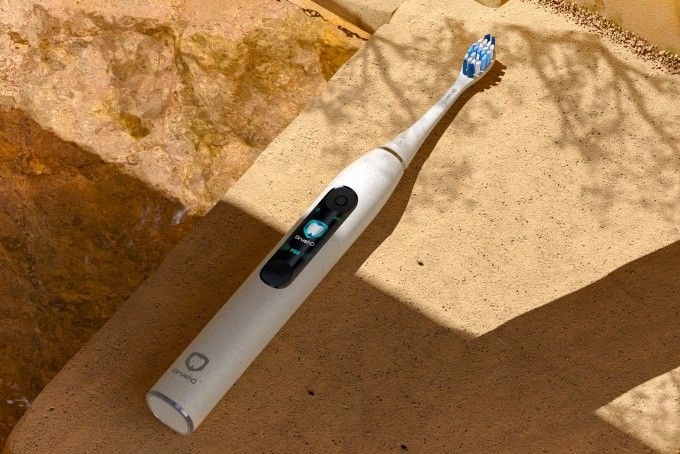
BrushO helps ensure you’re:
• Brushing with correct pressure
• Cleaning all 6 zones and 16 surfaces
• Avoiding overbrushing sensitive enamel
• Tracking habits and brushing consistently
Nighttime is when your mouth is driest. Make sure no fried or sticky food particles are left behind.
Traditional brushing may not fully address the hidden risks of fried or hot foods. BrushO’s AI-powered technology detects brushing pressure, monitors zone coverage, and provides personalized feedback to ensure effective plaque removal—especially helpful after heavy or oily meals. Plus, with real-time brushing reports and $BRUSH token rewards, BrushO keeps you motivated to stay consistent.
Fried and hot foods aren’t necessarily off-limits, but they do pose challenges to your oral health. With proper timing, hydration, and advanced brushing techniques, you can still enjoy your favorite meals while protecting your enamel and gums. Tools like BrushO elevate your brushing routine and help you balance enjoyment with prevention.
Jan 22
Jan 22
Jul 30
Jul 30
Jul 29
Jul 22
Jul 19
Jul 17

PPM describes concentration, not the amount to put on the brush. Learn how to read fluoride information while keeping regional guidance and individual advice in view.

That forgotten tube deserves a label check. Learn what toothpaste shelf-life information refers to, why storage matters, and how to avoid guessing from appearance.

Clear gel or opaque paste? Texture is only one feature. Learn which label details matter when comparing toothpastes for your brushing routine.

Minty toothpaste can create a cooling sensation without being chilled. Explore what menthol does and why a fresh feeling is different from complete cleaning.

The sound of a powered brush comes with its moving mechanism. Learn how normal operating noise differs from alerts or an unexpected change that needs checking.

Toothpaste on the mirror? Check when you switch the brush on and off, how you position it, and how to pause without rushing your routine.

A whitening brushing program and a bleaching treatment are different things. Learn how to interpret mode names, surface-stain claims, and realistic expectations.

A tiny cluster of bristles serves a different purpose from a full-size head. Learn where a single-tuft brush may fit into an individually recommended cleaning routine.

Angled tufts, different bristle heights, and the angle of your hand are separate design questions. Learn how to read a toothbrush-head description clearly.

A larger head is not an automatic shortcut to cleaner teeth. Learn how head size affects access, positioning, and the fit of your daily brushing routine.

La brosse à dents électrique BrushO avec IA offre un guidage en temps réel, un retour sur la pression, un suivi de la couverture et des rapports de progression dans l’app pour une routine quotidienne plus propre.
La brosse à dents électrique BrushO avec IA offre un guidage en temps réel, un retour sur la pression, un suivi de la couverture et des rapports de progression dans l’app pour une routine quotidienne plus propre.


Address: RM 1427, 14/F RADIO CITY 505, HENNESSY RD CAUSEWAY BAY, HONG KONG
Code: 000000
Phone: +852-53758652
Email: customerservice@brusho.com