
Jul 30
Jul 30
Jul 29
Jul 22
Jul 19
Jul 17
Why is BrushO more than just an ordinary electric toothbrush?
Electric toothbrushes are no longer new, but most models just vibrate or rotate and then stop there. BrushO stands out with fully integrated intelligence and design, designed to provide better cleaning results, not just automation.
✅ AI-driven smart brushing: BrushO's sensors and algorithms analyze your brushing behavior in real time, providing personalized feedback to help you improve your brushing technique, reduce pressure, and cover all areas thoroughly.
✅ Quieter, more powerful motor: Enjoy a superior cleaning experience below 55 decibels. BrushO's advanced motor is engineered for powerful performance and low noise
✅ Waterproof and durable: With an IPX7 waterproof rating and a rugged design, BrushO is safe to use even in the shower and durable even for daily use.
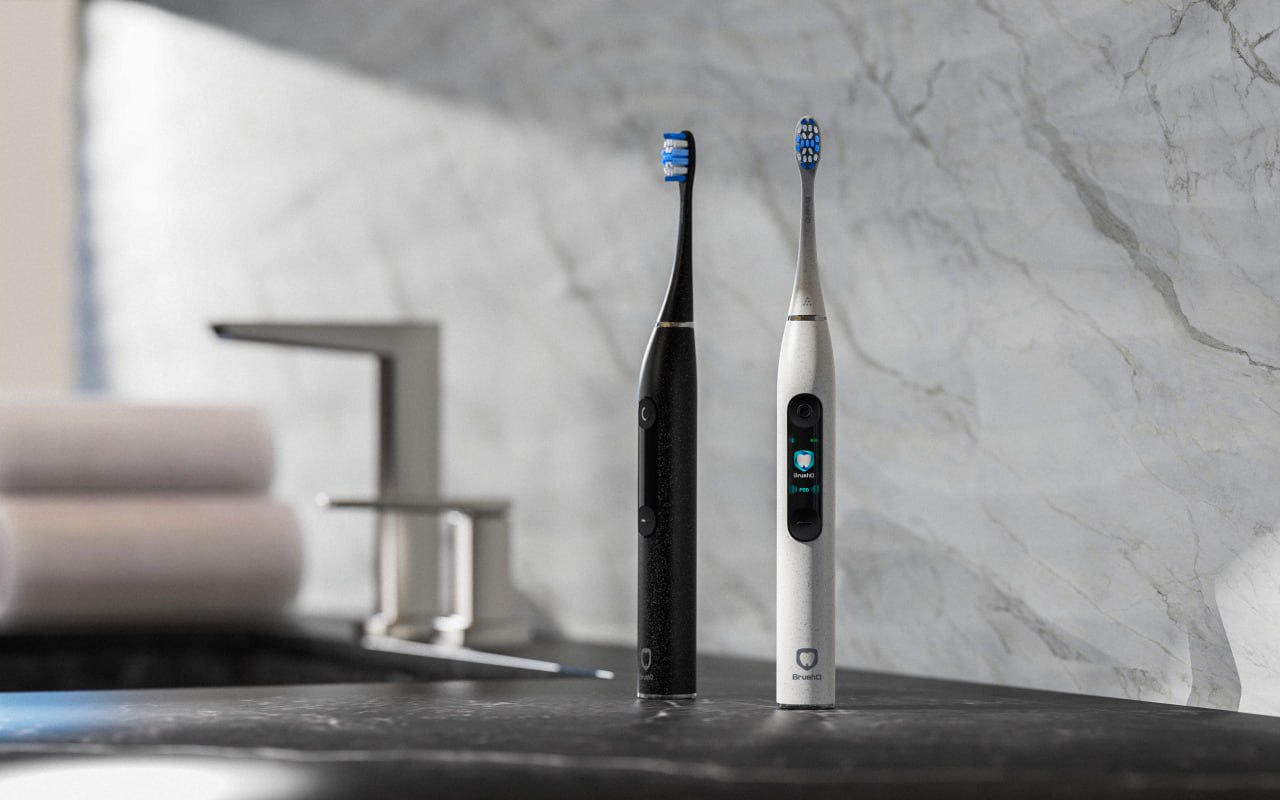
Optimized for daily use and long-term health. Long-term support and customization are essential when choosing the best electric toothbrush. BrushO offers:
🧵 8+3 personalized brushing modes: With 8 basic modes, from daily cleaning, sensitive care to deep cleaning, every user can find the perfect mode to suit their oral needs. In addition, it also supports 3 custom modes, giving you the freedom to choose the time, mode and speed you want.
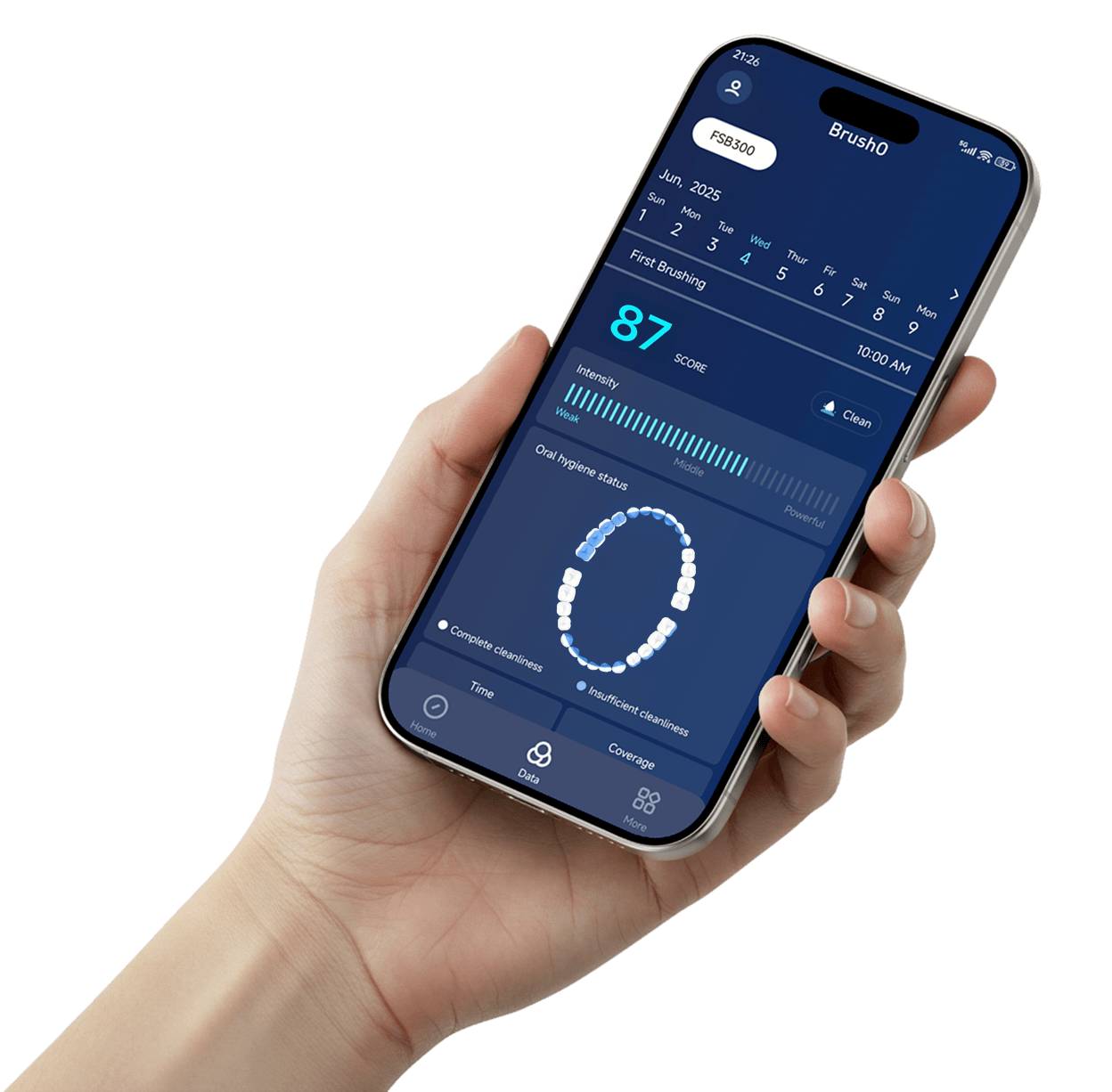
📱 AI Companion App: BrushO App is more than just a brushing tracker, it also provides personalized brushing scores, real-time reminders of missed areas, and motivational tips to help develop good brushing habits.
🔋 40-day battery life: Travel without worries. It only takes 6.5 hours to fully charge and lasts up to 40 days. BrushO's long-lasting battery means fewer charges and more convenience.
How BrushO sets a new standard Unlike other brands that add smart features as an afterthought, BrushO was designed from the ground up as a smart oral care system. It's more than just a regular toothbrush, it's a set of professional brushing guidance tools.
🧠 AI Smart Feedback: BrushO provides real-time brushing suggestions based on actual brushing performance, making every brushing more efficient.
💡 Coverage Optimization: Built-in sensors detect areas you've missed, making it easy to achieve a full mouth clean.
📱 Daily Brushing Insights: Record brushing history, track progress, and understand your oral care trends.
What are the downsides of electric toothbrushes?
Electric toothbrushes clean exceptionally well, but there are some potential downsides to consider:
Initial Investment: While electric toothbrushes have a higher upfront cost, BrushO's cost-effectiveness and durability will save you money in the long run.
Charging Needs: BrushO's battery lasts up to 40 days, minimizing the hassle of charging.
Feature Overload: Smart features can be too complex for some. BrushO simplifies with a user-friendly app designed for all ages.
Smart brushing is the future of oral health. Recent studies show that 72% of dental professionals believe that smart toothbrushes can improve oral care at home. BrushO taps into this trend by providing preventive guidance as a supplement to regular dentist visits.
“With BrushO, patients are better able to manage their daily oral health, filling the gap between visits.” – Dr. L. Martinez, DDS
By educating and guiding users on a daily basis, BrushO helps prevent long-term problems such as plaque buildup, gum disease, and enamel wear.
Conclusion: Redefine your daily brushing habits with BrushO! Say goodbye to mindless brushing. BrushO ushers in a new era of smart oral care – helping you understand your habits and easily improve them.
It’s more than just an electric toothbrush, it’s your personal brushing coach.
👉 Learn more: https://brusho.com/
Jul 30
Jul 30
Jul 29
Jul 22
Jul 19
Jul 17

The uncontrolled hypertension is the condition that the dental practice meets in the patient who presents with the elevated pressure that the guideline does not permit for the elective treatment, and the management of this patient requires the deferral of the dental procedure and the referral to ...

The closure of the extraction space in the orthodontic treatment is the phase that demands the careful selection of the mechanics and the monitoring of the force that the appliance delivers. The sliding mechanics that rely on the continuous archwire and the power chain that connects the brackets ...

The transverse discrepancy of the maxilla is the problem that the crowding and the posterior crossbite often hide, and the maxillary expansion is the treatment that addresses the width of the arch rather than the position of the individual tooth. The clinician who diagnoses the constriction early...

The local anaesthesia is the daily procedure that the modern dentistry treats as the routine, and the complications that follow it range from the transient and the trivial to the permanent and the serious. The clinician who injects by the habit without the anatomy in the mind is the clinician who...

The hypertension is the condition that the dental practice meets in the every day, and the patient who carries the elevated pressure without the symptoms is the patient who presents the risk that the chair-side measurement reveals. The dental team occupies the position that no other profession ho...

The glass-ceramic crown has become the default restoration for the anterior and the many posterior teeth, and the material selection within the family is the decision that determines the strength, the aesthetics, and the longevity of the result. The lithium disilicate, the leucite, and the zircon...

The dental phobia is the extreme form of the dental fear that prevents the patient from attending the treatment that the oral health requires, and the management of the phobia demands the skill that extends beyond the routine behaviour guidance. The systematic desensitization, the exposure therap...

The dental fear of the child is the condition that shapes the attitude for the lifetime, and the clinician who manages the first visits with the skill builds the patient who attends the recall without the dread. The fear that the child develops follows the many sources, and the practice that reco...

The patient with controlled hypertension is the patient who requires the dental care that the oral health demands and the treatment that the blood pressure permits, and the clinician who manages the controlled case safely follows the guideline that the evidence supports. The controlled hypertensi...

The ceramic veneer is the restoration that the aesthetic dentistry depends on, and the bond that retains the veneer on the enamel is the critical link that determines whether the restoration survives the function or fractures and debonds. The clinical technique from the preparation to the cementa...

La brosse à dents électrique BrushO avec IA offre un guidage en temps réel, un retour sur la pression, un suivi de la couverture et des rapports de progression dans l’app pour une routine quotidienne plus propre.
La brosse à dents électrique BrushO avec IA offre un guidage en temps réel, un retour sur la pression, un suivi de la couverture et des rapports de progression dans l’app pour une routine quotidienne plus propre.


Address: RM 1427, 14/F RADIO CITY 505, HENNESSY RD CAUSEWAY BAY, HONG KONG
Code: 000000
Phone: +852-53758652
Email: customerservice@brusho.com