
Jul 30
Jul 30
Jul 29
Jul 22
Jul 19
Jul 17
Brushing your teeth once a day might feel “good enough” on a busy schedule — especially if you’re brushing at night and skipping the morning routine, or vice versa. But what really happens when you only brush once every 24 hours? This article explores the potential consequences, from plaque accumulation to enamel erosion, and explains why brushing twice a day — morning and night — is essential for optimal oral hygiene. With the help of smart toothbrushes like BrushO, it’s easier than ever to stick to this vital routine and ensure your teeth stay cleaner, healthier, and protected long-term.
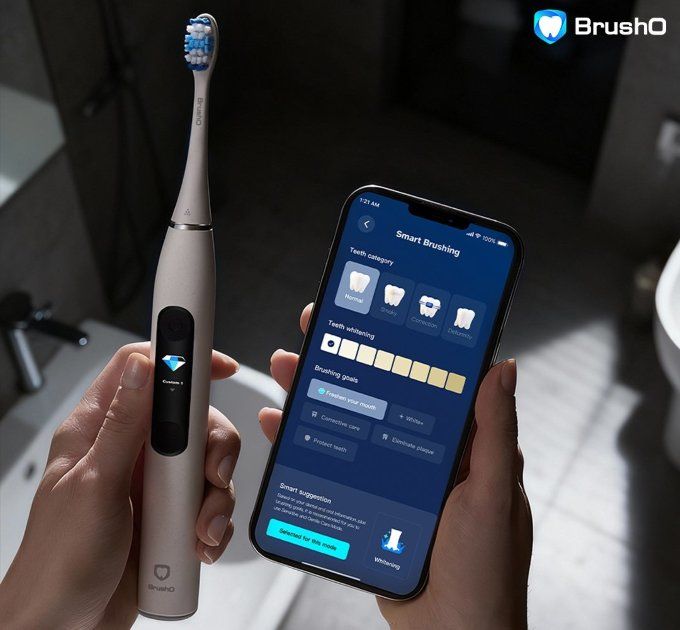
Most dentists around the world recommend brushing at least twice a day — once in the morning and once before bed. This schedule aligns with how plaque and bacteria develop in the mouth.
• During the day, eating and drinking introduce sugars and acids that feed bacteria, which produce plaque.
• At night, while you sleep, your saliva production drops, making it easier for bacteria to grow and linger.
Skipping either session allows harmful bacteria to accumulate and damage your teeth and gums.
When plaque isn’t removed every 12 hours or so, it begins to harden into tartar (calculus), which can’t be brushed away with a normal toothbrush. This increases your risk of:
• Cavities
• Gum inflammation
• Bad breath
Brushing once a day means bacteria from your last meal may linger for 24 hours or longer, especially on the tongue and between teeth. This can result in chronic halitosis, or persistent bad breath.
The acids from leftover food particles and bacterial waste can erode your enamel over time, leading to tooth sensitivity and early decay — even if you brush well once daily.
Failing to clean the gumline thoroughly and regularly may lead to gingivitis (early gum disease). Inconsistent brushing allows plaque to build up at the base of teeth, triggering inflammation and bleeding.
Both are important, but skipping nighttime brushing is often worse because:
• Food particles remain in your mouth overnight
• Bacteria thrive in dry environments with no saliva flow
• You go 8+ hours with active bacteria undisturbed
Best practice: Never skip brushing before bed.
Developing consistency is the hardest part of brushing twice a day. That’s where BrushO comes in with features designed to support healthy daily habits:
The BrushO app reminds you to brush in the morning and evening — and tracks whether you actually do. This builds accountability and helps form habits.
Each brushing session is scored based on thoroughness, pressure, coverage, and timing. This gamified approach motivates users to complete both daily sessions.
BrushO’s family mode turns brushing into a fun challenge, especially for kids, rewarding consistent morning and night routines.
BrushO provides visual brushing maps to ensure all zones are cleaned — especially helpful for users who rush or miss areas when brushing only once a day.
Life happens. Missing one brushing session won’t destroy your oral health — but it shouldn’t become a habit. Make sure to:
• Floss to remove debris
• Rinse with mouthwash
• Resume your twice-a-day routine ASAP
Consistency over time is what really counts.
Brushing once a day is better than nothing, but it’s far from optimal. Over time, this habit may lead to enamel damage, cavities, and gum disease — all of which are preventable. With smart tools like BrushO, brushing twice a day becomes easier, smarter, and more effective — helping you protect not only your teeth, but your long-term health.
Dec 11
Dec 11
Jul 30
Jul 30
Jul 29
Jul 22
Jul 19
Jul 17

PPM describes concentration, not the amount to put on the brush. Learn how to read fluoride information while keeping regional guidance and individual advice in view.

That forgotten tube deserves a label check. Learn what toothpaste shelf-life information refers to, why storage matters, and how to avoid guessing from appearance.

Clear gel or opaque paste? Texture is only one feature. Learn which label details matter when comparing toothpastes for your brushing routine.

Minty toothpaste can create a cooling sensation without being chilled. Explore what menthol does and why a fresh feeling is different from complete cleaning.

The sound of a powered brush comes with its moving mechanism. Learn how normal operating noise differs from alerts or an unexpected change that needs checking.

Toothpaste on the mirror? Check when you switch the brush on and off, how you position it, and how to pause without rushing your routine.

A whitening brushing program and a bleaching treatment are different things. Learn how to interpret mode names, surface-stain claims, and realistic expectations.

A tiny cluster of bristles serves a different purpose from a full-size head. Learn where a single-tuft brush may fit into an individually recommended cleaning routine.

Angled tufts, different bristle heights, and the angle of your hand are separate design questions. Learn how to read a toothbrush-head description clearly.

A larger head is not an automatic shortcut to cleaner teeth. Learn how head size affects access, positioning, and the fit of your daily brushing routine.

El cepillo eléctrico BrushO con IA ofrece guía de cepillado en tiempo real, feedback de presión, seguimiento de cobertura e informes de progreso en la app para una rutina diaria más limpia.
El cepillo eléctrico BrushO con IA ofrece guía de cepillado en tiempo real, feedback de presión, seguimiento de cobertura e informes de progreso en la app para una rutina diaria más limpia.


Address: RM 1427, 14/F RADIO CITY 505, HENNESSY RD CAUSEWAY BAY, HONG KONG
Code: 000000
Phone: +852-53758652
Email: customerservice@brusho.com