
Jul 30
Jul 30
Jul 29
Jul 22
Jul 19
Jul 17
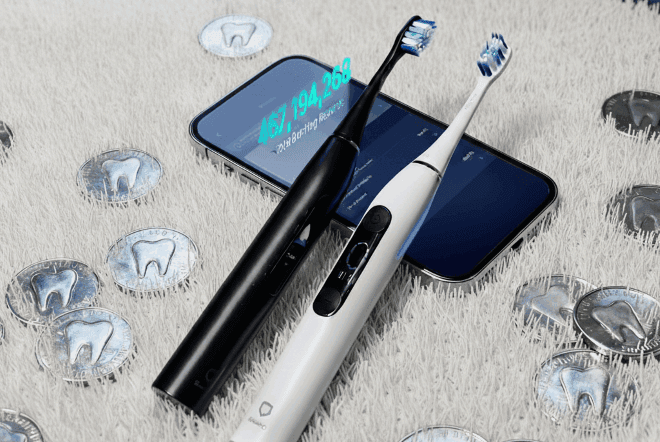
Many people assume that scrubbing their teeth harder leads to a cleaner mouth. In reality, aggressive brushing is one of the most common causes of gum recession and enamel erosion. Brushing with excessive force or using a hard-bristled toothbrush can permanently damage your teeth and gums—no matter how expensive your toothpaste is. With the rise of smart toothbrushes like BrushO, which provide real-time feedback on brushing pressure, users are learning to clean effectively without causing harm. This article uncovers the hidden risks of overbrushing and how you can protect your smile with smarter habits.
Aggressive brushing refers to:
• Using too much pressure during brushing
• Brushing in harsh, horizontal scrubbing motions
• Using stiff or worn-out bristles
• Rushing through brushing with excessive force
You might be brushing aggressively without even realizing it, especially if:
• Your toothbrush bristles fray quickly
• You regularly see blood when you spit after brushing
• You notice gumlines pulling back or sensitivity increasing
Enamel is the outermost protective layer of your teeth—and it doesn’t regenerate. Aggressive brushing wears it down, leading to:
• Increased sensitivity to hot, cold, or sweet foods
• Higher risk of cavities
• Dull, yellowish appearance (as dentin becomes exposed)
Once enamel is lost, it can only be replaced through dental treatments like bonding or veneers, not naturally.
Your gums are delicate tissues that don’t respond well to trauma. Brushing too hard can:
• Cause gums to pull back, exposing tooth roots
• Lead to persistent bleeding
• Create spaces between teeth where bacteria thrive
• Eventually lead to tooth loss
Receding gums are not just a cosmetic issue—they compromise the support structure of your teeth and are difficult to reverse.
Contrary to popular belief, plaque is soft and easily removed. It doesn’t require scrubbing. The American Dental Association recommends:
• Brushing for 2 full minutes
• Using gentle, circular motions
• Holding the brush at a 45° angle to the gumline
Brushing harder doesn’t clean better—it just injures your mouth.
BrushO’s AI-powered technology actively detects and corrects aggressive brushing:
• Pressure sensors alert you in real time if you’re brushing too hard
• Zone-based analysis helps guide proper motion and coverage
• Weekly reports reveal patterns of overbrushing
• Soft bristle heads designed for gentle cleaning
• Gamified feedback encourages correct technique, not just completion
Smart toothbrushes retrain your muscle memory, teaching your hands to brush smarter, not harder.
✅ Switch to a soft-bristled electric toothbrush
✅ Hold your brush with fingertips, not a fist
✅ Let the bristles do the work, not your wrist
✅ Use a fluoride toothpaste, not an abrasive one
✅ Focus on technique over speed or force
✅ Use a smart brush like BrushO for real-time coaching
Your goal should be gentle and consistent cleaning, not scrubbing your enamel off.
Brushing your teeth should protect your mouth, not damage it. Aggressive brushing is a hidden danger that leads to long-term oral health issues—from receding gums to enamel loss. Smart brushing habits and tools like BrushO empower you to clean better with less effort and zero harm. By brushing smarter, not harder, you preserve your enamel, protect your gums, and build a healthier, brighter smile for life.
Jan 26
Jan 26
Jul 30
Jul 30
Jul 29
Jul 22
Jul 19
Jul 17

The posterior maxilla is the most demanding site in implant dentistry, because the pneumatized maxillary sinus frequently leaves the clinician with less bone than the implant requires. Maxillary sinus augmentation, the surgical procedure that raises the sinus floor to create vertical bone, has be...

The rubber dam is the oldest and still the most effective isolation device in restorative dentistry, and its reputation as an inconvenient extra step survives among practitioners who have never measured the time it actually saves. The dam isolates the field from the saliva, the tongue, and the ch...

The margin is the most vulnerable line in fixed prosthodontics, because it is the only boundary between the prepared tooth, the restoration, and the oral environment that the clinician cannot fully seal by effort alone. A restoration that fits seamlessly at the margin resists leakage, caries, and...

The masticatory system is built for function, yet much of its damage comes from habits that serve no purpose. Parafunctional habits, the clenching, the grinding, and the tongue pressing performed outside of normal function, sit behind much of the tooth wear, the temporomandibular pain, and the my...

Chronic mouth breathing in the growing child is seldom a dental problem in origin and almost always a facial one in consequence. The child who sleeps with the mouth open bypasses the physiologic benefits of nasal respiration, and the posture that the airway forces upon the tongue, the mandible, a...

The immediate denture is the prosthesis placed on the day the teeth are extracted, sparing the patient the edentulous interval the conventional denture imposes and preserving the occlusal vertical dimension, the facial support, and the appearance through the transition. The clinical literature ha...

The Class III malocclusion in the growing child carries a special urgency, because the maxillary deficiency that marks the pattern does not correct itself and the window for the growth-modifying treatment closes with the skeletal maturity. Elastic protraction, the orthopedic therapy that pulls th...

The denture is the only prosthetic device in medicine that its owner is expected to wear daily and to clean personally, yet it is also the device most commonly neglected until the signs of disease appear. A biofilm that forms on the acrylic base within hours is a reservoir of candida and bacteria...

The complete denture stands or falls on the impression, because the impression determines how well the base follows the mucous membrane and how evenly the occlusal load is distributed across the basal seat. For a century the profession has argued about whether the impression should record the muc...

The all-ceramic crown has moved from a niche product to the default restoration for the anterior single tooth in a single clinical generation, driven by patient demand for metal-free appearance and by materials that now survive functional loading as reliably as their metal-ceramic predecessors. A...

El cepillo eléctrico BrushO con IA ofrece guía de cepillado en tiempo real, feedback de presión, seguimiento de cobertura e informes de progreso en la app para una rutina diaria más limpia.
El cepillo eléctrico BrushO con IA ofrece guía de cepillado en tiempo real, feedback de presión, seguimiento de cobertura e informes de progreso en la app para una rutina diaria más limpia.


Address: RM 1427, 14/F RADIO CITY 505, HENNESSY RD CAUSEWAY BAY, HONG KONG
Code: 000000
Phone: +852-53758652
Email: customerservice@brusho.com