
Jul 30
Jul 30
Jul 29
Jul 22
Jul 19
Jul 17
Chewing gum is often thought of as a guilty pleasure or a simple breath-freshening trick. But is it actually good or bad for your teeth? The answer isn’t black and white. Depending on the type of gum and how often you chew, it can either improve your oral hygiene or accelerate damage. In this article, we’ll unpack the science behind gum chewing, its effects on saliva, enamel, and jaw health, and offer expert tips on choosing the best gum for your dental routine.
One of the most important benefits of chewing sugar-free gum is saliva stimulation. Saliva is your mouth’s natural defense system—neutralizing acids, washing away food particles, and delivering minerals like calcium and phosphate to rebuild enamel.
For people who suffer from xerostomia (dry mouth), especially the elderly or those on certain medications, chewing gum can provide immediate relief by increasing moisture levels and promoting oral comfort.
Several studies have shown that chewing gum sweetened with xylitol—a natural sugar alcohol—can reduce cavity-causing bacteria like Streptococcus mutans. Xylitol interferes with bacteria’s ability to stick to teeth, making plaque formation more difficult.
Gum containing sucrose, glucose, or corn syrup feeds oral bacteria, encouraging acid production that erodes enamel and leads to cavities. Habitual chewing of sugary gum can be as damaging as frequent soda consumption.
Chewing excessively or forcefully—especially on just one side—can lead to TMJ disorders or jaw muscle fatigue. Individuals prone to bruxism (teeth grinding) should be especially cautious.
Chewing gum for extended periods has been linked to tension headaches and migraines in sensitive individuals, particularly teens. While this isn’t a direct dental issue, it may discourage good oral habits.
Look for ADA-approved gums with xylitol, sorbitol, or mannitol as sweeteners. These do not contribute to cavities and may offer protective benefits.
Limit gum chewing to 15–20 minutes after meals to aid with cleaning, but avoid continuous chewing throughout the day.
Those with a history of jaw pain or popping should avoid prolonged gum chewing, even if the gum is sugar-free.
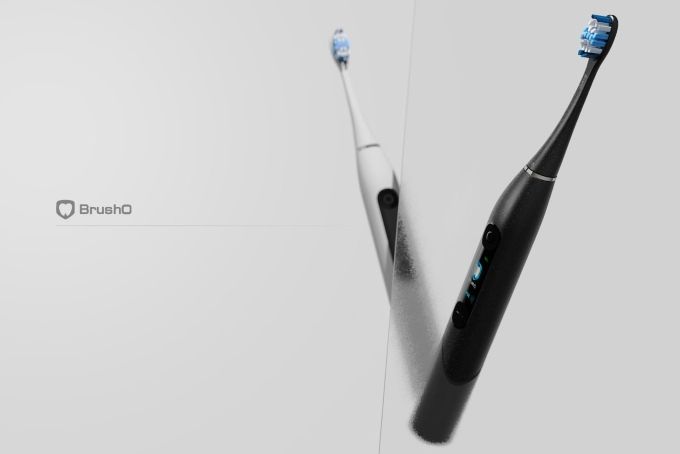
If you’re using BrushO’s smart toothbrush system, chewing gum should never replace brushing or flossing. However, BrushO’s data-driven brushing reports and reminder features can help reinforce good oral hygiene even if you chew gum regularly. You can check in the app if gum is helping maintain plaque-free zones or if you still need to pay more attention to specific areas of your mouth.
Chewing gum isn’t inherently good or bad—it depends on what kind you chew, when, and how often. Sugar-free options, especially those with xylitol, can complement your oral care routine by reducing cavity risk and promoting saliva production. Just be mindful of your jaw health and avoid sugary varieties. Paired with a smart brushing habit, chewing gum can be a small but helpful tool in your oral health toolbox.
Jul 30
Jul 30
Jul 29
Jul 22
Jul 19
Jul 17

Understand sonic bristle movement, laboratory fluid-dynamics claims, and BrushO’s practical timer and pressure-response features before buying.

Learn where BrushO may fit in care for healed implants and crowns, with tailored tools, surgical instructions and professional maintenance.

Plan comfortable brushing during pregnancy with BrushO’s timed prompts and pressure response, alongside advice from your dental and maternity teams.

Choose fluoride toothpaste for your dental needs and pair it with BrushO’s timed brushing and pressure response for a consistent daily routine.

Address common brushing mistakes with BrushO’s timer, pressure-responsive FSB hardware, and eligible CHECK and COACH software guidance.

Understand the difference between nighttime teeth grinding and brushing pressure, and where BrushO fits alongside a dentist-led care plan.

Explore how BrushO supports consistent daily brushing for coffee, tea and wine drinkers, with realistic expectations about surface stains and tooth color.

Build a lighter BrushO routine with pressure-responsive FSB hardware, comfortable settings, and dental advice about tooth wear and enamel care.

Combine BrushO’s powered brushing with daily interdental cleaning. Learn why timed prompts and pressure response complement flossing rather than replace it.

Make the two-minute brushing rule practical with BrushO’s timed prompts, pressure response, and a planned route around every tooth surface.

El cepillo eléctrico BrushO con IA ofrece guía de cepillado en tiempo real, feedback de presión, seguimiento de cobertura e informes de progreso en la app para una rutina diaria más limpia.
El cepillo eléctrico BrushO con IA ofrece guía de cepillado en tiempo real, feedback de presión, seguimiento de cobertura e informes de progreso en la app para una rutina diaria más limpia.


Address: RM 1427, 14/F RADIO CITY 505, HENNESSY RD CAUSEWAY BAY, HONG KONG
Code: 000000
Phone: +852-53758652
Email: customerservice@brusho.com