
Jul 30
Jul 30
Jul 29
Jul 22
Jul 19
Jul 17
Brushing with salt is an age-old practice found in many cultures, passed down through generations. Some swear by its cleansing power, others question its safety. But does salt truly help your teeth, or could it be doing more harm than good? In this article, we explore the benefits, risks, and professional recommendations regarding salt as a brushing agent.
Before commercial toothpaste existed, natural substances like charcoal, ash, and salt were commonly used for oral hygiene. Salt, in particular, was favored for its:
• Antibacterial properties: Believed to reduce harmful bacteria in the mouth.
• Abrasive texture: Helpful in scrubbing off surface stains.
• Low cost and availability: A household staple used globally.
However, modern dentistry has come a long way, and so has our understanding of what’s truly beneficial (or harmful) to our teeth and gums.
While salt isn’t entirely without merit, its actual benefits are often misunderstood or overstated. Here’s what science says:
Saltwater rinses are commonly recommended by dentists for gum irritation or after dental surgery because salt can draw out moisture and reduce inflammation. This can help temporarily soothe gums or minor wounds in the mouth.
The gritty texture of salt can help polish away light surface stains, making teeth look temporarily brighter. However, this is not the same as true whitening — it doesn’t change the intrinsic color of teeth.
Despite its reputation as a natural cleaner, regular brushing with salt poses significant risks, especially with prolonged use:
Salt is abrasive. Unlike toothpaste that contains calibrated gentle abrasives, salt granules can be rough and uneven. Repeated scrubbing can wear away enamel — the protective layer of your teeth — leading to increased sensitivity and risk of decay.
Salt can be dehydrating and may irritate sensitive gum tissues, especially if used in raw form. Over time, this can contribute to gum recession or bleeding.
Fluoride is crucial for strengthening enamel and preventing cavities. Brushing with salt does not offer this benefit, making your teeth more vulnerable in the long term.
According to most dental professionals, the best oral care routine includes:
• Fluoride toothpaste: Strengthens enamel and prevents decay.
• Soft-bristle brush: Prevents mechanical damage to gums and teeth.
• Gentle technique: Avoid harsh scrubbing, even with regular toothpaste.
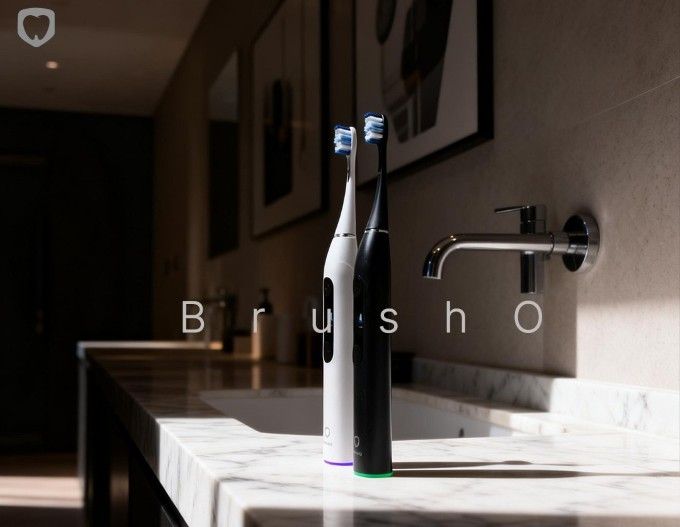
• Smart brushing technology: Tools like BrushO offer AI-guided brushing, pressure control, and real-time feedback to avoid common mistakes like brushing too hard.
💡 If you’re looking for natural remedies, consider using baking soda under dental guidance — it’s less abrasive and safer than salt.
Yes — but only in specific contexts and forms:
• Saltwater rinse (not brushing): A mild saline rinse (½ tsp salt in a glass of warm water) can be used occasionally for gum inflammation or post-surgical healing.
• Not for daily brushing: Never replace toothpaste with salt in your regular oral hygiene routine.
While brushing with salt might have historical roots, it’s not a safe or effective long-term oral care strategy. Enamel loss and gum irritation are serious concerns that outweigh the minimal benefits. If you’re looking to upgrade your brushing routine, consider switching to intelligent solutions like BrushO, which combines AI insights, smart brushing feedback, and habit reinforcement — all without the risk of abrasion.
Jul 30
Jul 30
Jul 29
Jul 22
Jul 19
Jul 17

If you are thirsty after brushing, choose plain water. Plan your usual bedtime drink before brushing and skip the immediate rinse at the sink.

Waterpik recommends warm water for its flossers. Check your own model and use comfortably lukewarm water if cold water feels sharp.

Let an intact handle return to room temperature before you consider charging it. Check your manual and watch for signs of battery or housing damage.

Lift away the paste, check the care label, and use cool water on washable fabric. Here is a quick approach for a fresh spot.

Turn the brush off, then check the fit, the connection, and the condition of the head. A second compatible head can help you narrow it down.

Look for a clean, rigid container with a secure lid and keep it with your belongings. A napkin on a lunch tray is easy to clear away.

Check the care directions for your clear retainer. Clinics give different instructions, and the right cleaning method depends on the appliance you received.

Try a gentle rinse first. If the hull sits between teeth and floss moves freely, make a careful pass and stop if it still feels stuck.

A tight gap or rough edge can catch floss. Notice where it snags, keep the movement gentle, and find out when to ask your dentist to check.

Your first sip can taste sharp after brushing. Here is what may be changing and how to make breakfast taste like breakfast again.

El cepillo eléctrico BrushO con IA ofrece guía de cepillado en tiempo real, feedback de presión, seguimiento de cobertura e informes de progreso en la app para una rutina diaria más limpia.
El cepillo eléctrico BrushO con IA ofrece guía de cepillado en tiempo real, feedback de presión, seguimiento de cobertura e informes de progreso en la app para una rutina diaria más limpia.


Address: RM 1427, 14/F RADIO CITY 505, HENNESSY RD CAUSEWAY BAY, HONG KONG
Code: 000000
Phone: +852-53758652
Email: customerservice@brusho.com