
Jul 30
Jul 30
Jul 29
Jul 22
Jul 19
Jul 17
In this post, we’ll explore the signs, consequences, and AI-powered solution, such the BrushO toothbrush, that help protect your smile.
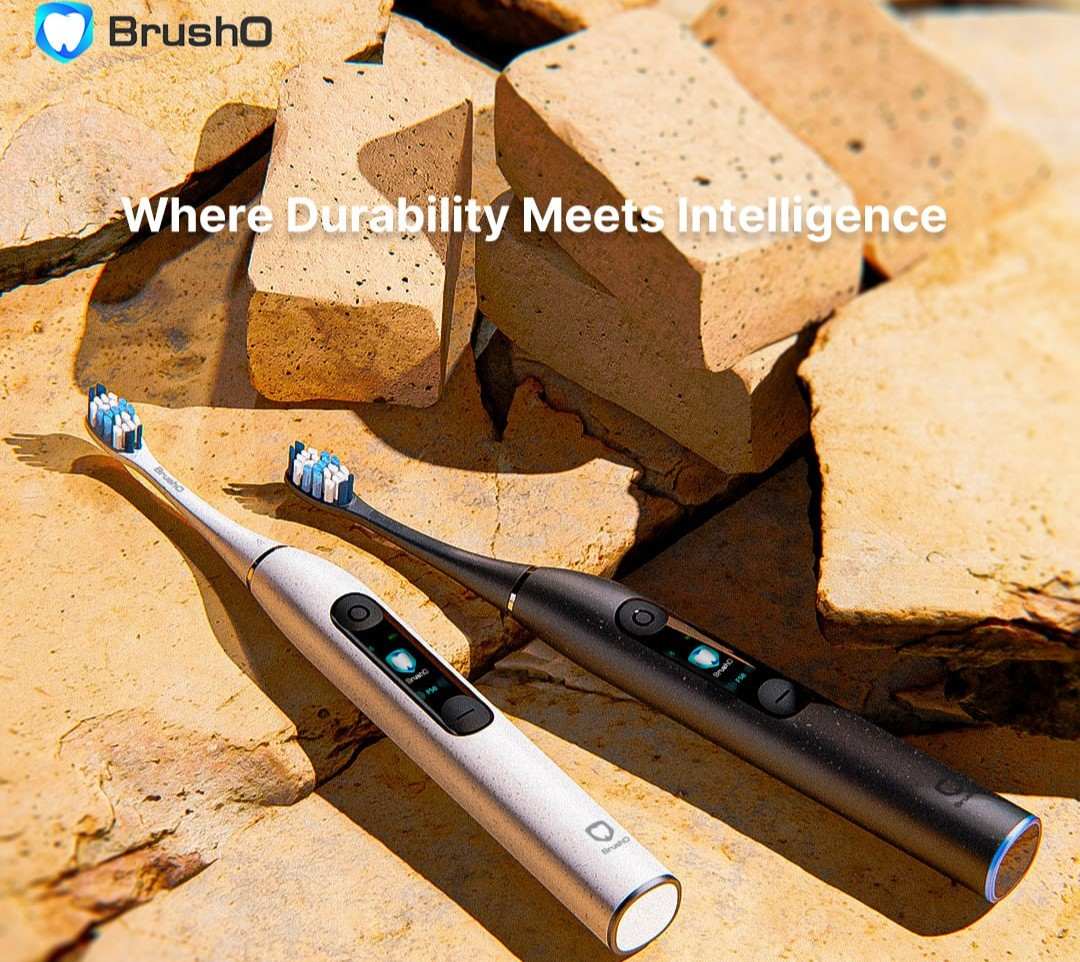
Brushing too hard is one of the most common mistakes people make in their oral care routines. While many think "more pressure = cleaner teeth," the opposite is true. Overbrushing can:
-Erode tooth enamel
-Cause gum recession
-Increase tooth sensitivity
-Lead to long-term oral health issues
This is especially problematic for people using manual toothbrushes or electric toothbrushes without pressure sensors or smart feedback systems.
How can you tell if you're brushing too aggressively? Here are a few red flags:
Your gums appear to be pulling away from your teeth, exposing the root surface.
You feel sharp pain when drinking cold or hot beverages.
If your brush bristles look worn within a few weeks, it's a clear sign of excessive force.
While some bleeding can indicate gingivitis, brushing too hard can also be the culprit.
This is where AI-powered electric toothbrushes come in.
AI toothbrushes like BrushO are equipped with 6-axis sensors and smart pressure detection, providing real-time feedback if you’re pressing too hard.
The BrushO app monitors six mouth zones and 16 surface areas, helping you brush evenly and gently.
Receive daily/weekly/monthly brushing reports to track pressure, duration, and coverage—adjusting your technique over time.
The BrushO AI-powered electric toothbrush is designed to protect your enamel and gums:
AI-powered feedback prevents overbrushing
Gum-friendly DuPont bristles
Pressure-sensing vibration control
45-day battery life, Qi wireless charging
Decentralized data storage: Your brushing data is 100% yours
💡 BrushO is especially recommended for users with sensitive gums or gum recession concerns.
Here are some how-to tips to avoid brushing too hard:
If you're using an electric toothbrush, guide it along the gumline instead of scrubbing.
Old, worn-out bristles are ineffective and tempt you to apply more pressure.
BrushO includes a built-in smart timer that helps you brush each zone for the correct duration.
Brushing hard doesn’t mean brushing better. In fact, it can cause long-term damage. With the help of smart solutions like the BrushO toothbrush, you can maintain optimal oral hygiene gently and effectively.
If you're looking for a gentle, intelligent, and gum-friendly electric toothbrush, BrushO might be exactly what you need.
Jul 30
Jul 30
Jul 29
Jul 22
Jul 19
Jul 17

PPM describes concentration, not the amount to put on the brush. Learn how to read fluoride information while keeping regional guidance and individual advice in view.

That forgotten tube deserves a label check. Learn what toothpaste shelf-life information refers to, why storage matters, and how to avoid guessing from appearance.

Clear gel or opaque paste? Texture is only one feature. Learn which label details matter when comparing toothpastes for your brushing routine.

Minty toothpaste can create a cooling sensation without being chilled. Explore what menthol does and why a fresh feeling is different from complete cleaning.

The sound of a powered brush comes with its moving mechanism. Learn how normal operating noise differs from alerts or an unexpected change that needs checking.

Toothpaste on the mirror? Check when you switch the brush on and off, how you position it, and how to pause without rushing your routine.

A whitening brushing program and a bleaching treatment are different things. Learn how to interpret mode names, surface-stain claims, and realistic expectations.

A tiny cluster of bristles serves a different purpose from a full-size head. Learn where a single-tuft brush may fit into an individually recommended cleaning routine.

Angled tufts, different bristle heights, and the angle of your hand are separate design questions. Learn how to read a toothbrush-head description clearly.

A larger head is not an automatic shortcut to cleaner teeth. Learn how head size affects access, positioning, and the fit of your daily brushing routine.

El cepillo eléctrico BrushO con IA ofrece guía de cepillado en tiempo real, feedback de presión, seguimiento de cobertura e informes de progreso en la app para una rutina diaria más limpia.
El cepillo eléctrico BrushO con IA ofrece guía de cepillado en tiempo real, feedback de presión, seguimiento de cobertura e informes de progreso en la app para una rutina diaria más limpia.


Address: RM 1427, 14/F RADIO CITY 505, HENNESSY RD CAUSEWAY BAY, HONG KONG
Code: 000000
Phone: +852-53758652
Email: customerservice@brusho.com