
Jul 30
Jul 30
Jul 29
Jul 22
Jul 19
Jul 17
Electric toothbrush modes often confuse new users. Modern smart brushes don’t just turn on and off—they come with specialized settings for different needs. From sensitive brushing to whitening and gum care, each mode is designed for a specific purpose. This guide explains the most common toothbrush modes, when to use them, and how smart designs like BrushO help make brushing more personalized and effective.
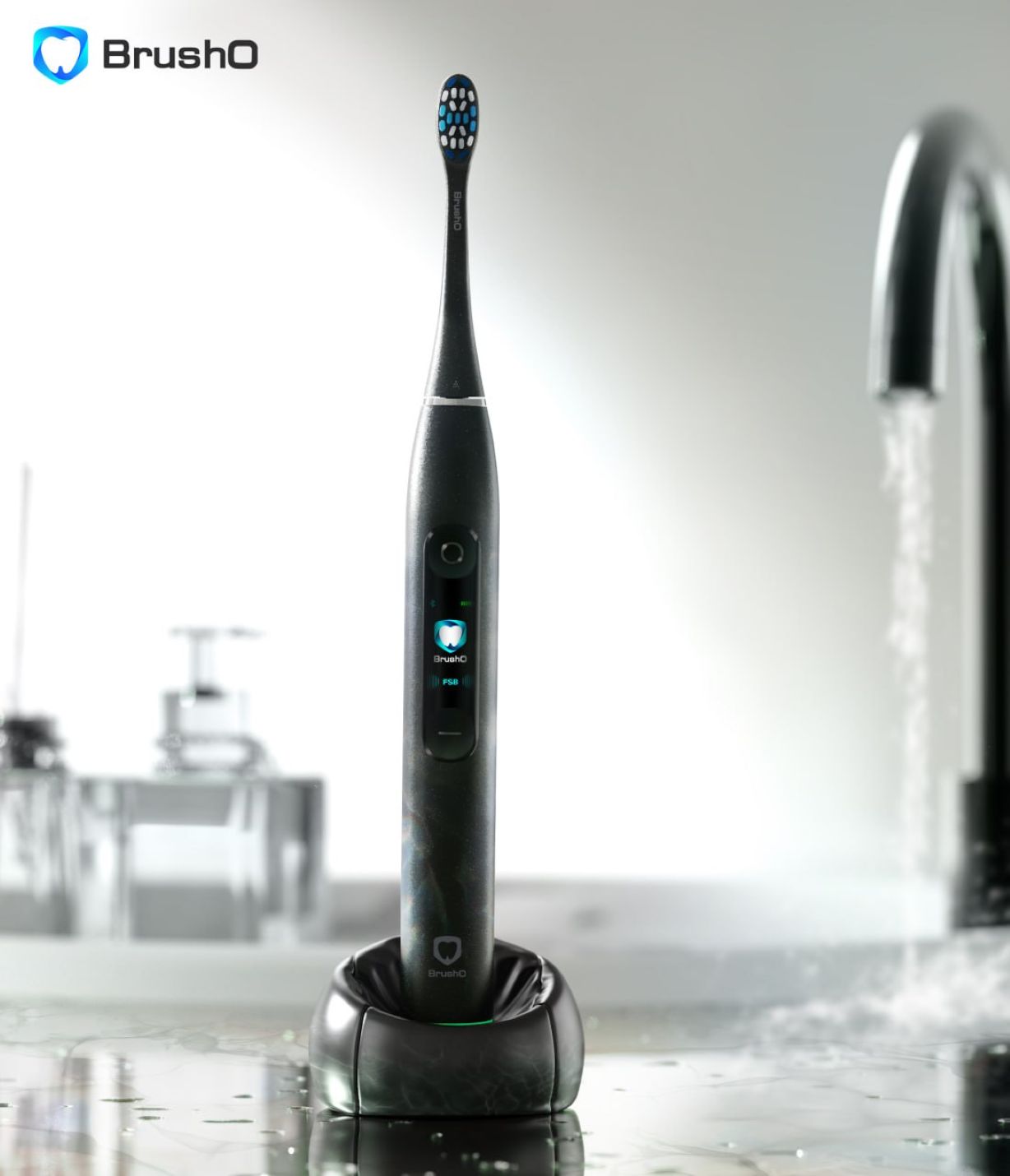
Every mouth is unique. Some people struggle with sensitivity, others worry about stains, and many want healthier gums. Having multiple modes allows you to adjust intensity and motion to match your condition—preventing damage, improving results, and making brushing more enjoyable.
1. Daily Clean 🪥
2. Sensitive Mode 🌿
3. Whitening ✨
4. Gum Care 💗
5. Polish 🌟
6. Deep Clean 🔬
Not every mode needs to be used daily—the goal is personalization, not complication.
While toothbrush brands vary in available modes, BrushO emphasizes user-friendly design and customization:
Q1: Do I need to use all the modes?
No. Start with Daily Clean and add other modes depending on your needs.
Q2: Is whitening mode safe daily?
Yes, but limit usage to a few times per week for best results.
Q3: Which mode is best for braces?
Deep Clean helps reach around brackets and wires more effectively.
Electric toothbrush modes are more than gimmicks—they allow users to customize brushing for specific needs, from sensitivity to whitening.
With intuitive design and smart features, BrushO ensures every user finds the right balance for healthier teeth and gums.
👉 Learn more: Best Electric Toothbrush for First-Time Users
👉 Ready to try smarter brushing? Explore BrushO here: brusho.com
Jul 30
Jul 30
Jul 29
Jul 22
Jul 19
Jul 17

PPM describes concentration, not the amount to put on the brush. Learn how to read fluoride information while keeping regional guidance and individual advice in view.

That forgotten tube deserves a label check. Learn what toothpaste shelf-life information refers to, why storage matters, and how to avoid guessing from appearance.

Clear gel or opaque paste? Texture is only one feature. Learn which label details matter when comparing toothpastes for your brushing routine.

Minty toothpaste can create a cooling sensation without being chilled. Explore what menthol does and why a fresh feeling is different from complete cleaning.

The sound of a powered brush comes with its moving mechanism. Learn how normal operating noise differs from alerts or an unexpected change that needs checking.

Toothpaste on the mirror? Check when you switch the brush on and off, how you position it, and how to pause without rushing your routine.

A whitening brushing program and a bleaching treatment are different things. Learn how to interpret mode names, surface-stain claims, and realistic expectations.

A tiny cluster of bristles serves a different purpose from a full-size head. Learn where a single-tuft brush may fit into an individually recommended cleaning routine.

Angled tufts, different bristle heights, and the angle of your hand are separate design questions. Learn how to read a toothbrush-head description clearly.

A larger head is not an automatic shortcut to cleaner teeth. Learn how head size affects access, positioning, and the fit of your daily brushing routine.

El cepillo eléctrico BrushO con IA ofrece guía de cepillado en tiempo real, feedback de presión, seguimiento de cobertura e informes de progreso en la app para una rutina diaria más limpia.
El cepillo eléctrico BrushO con IA ofrece guía de cepillado en tiempo real, feedback de presión, seguimiento de cobertura e informes de progreso en la app para una rutina diaria más limpia.


Address: RM 1427, 14/F RADIO CITY 505, HENNESSY RD CAUSEWAY BAY, HONG KONG
Code: 000000
Phone: +852-53758652
Email: customerservice@brusho.com