
Jul 30
Jul 30
Jul 29
Jul 22
Jul 19
Jul 17
Brushing your teeth seems like one of the simplest daily routines, yet for many people, consistency remains a challenge. Skipped nights, rushed mornings, and uneven brushing are far more common than most realize. The issue isn’t laziness—it’s a matter of habit psychology. Understanding why brushing habits break down is the first step toward building a routine that actually lasts.
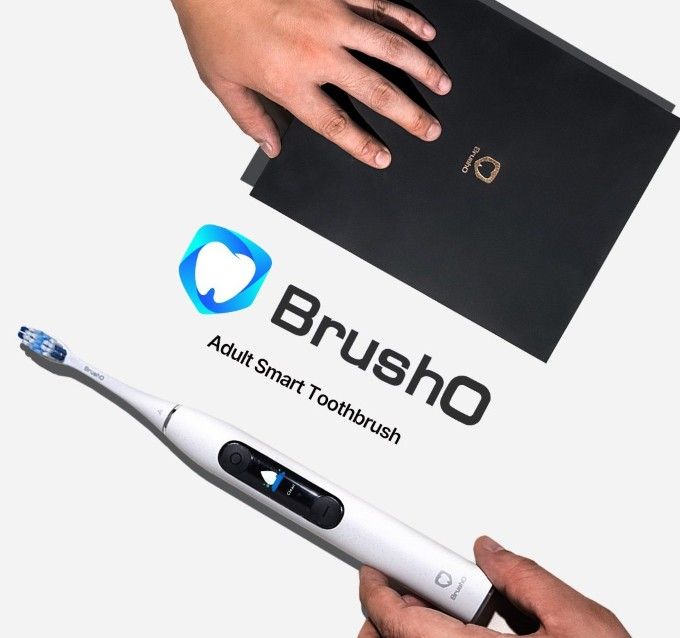
Human habits are not driven by logic alone. They are shaped by environment, emotional reward, feedback loops, and perceived effort. Brushing often fails as a habit because it lacks immediate feedback—unlike exercise, skincare, or diet changes, brushing feels repetitive with delayed rewards. When people don’t feel the benefit instantly, motivation drops.
Many people brush on autopilot. Without awareness of results—such as missed zones or overpressure—brushing feels like a checkbox task rather than a purposeful action. When a routine lacks meaning, it’s easier to skip.
Most people assume they brush “well enough.” Without feedback, they don’t realize:
• They consistently miss molars or gumlines
• They brush too hard or too fast
• They repeat the same mistakes daily
Without correction, poor habits become invisible—and permanent.
Late nights, early mornings, travel, stress, and screen fatigue all disrupt routines. Brushing is often the first habit sacrificed when time feels tight because it’s perceived as low-risk to skip occasionally. Unfortunately, oral health damage compounds silently.
Humans are motivated by progress. When brushing offers no visible improvement, no tracking, and no sense of achievement, the brain deprioritizes it. This is why people are more consistent with fitness trackers than toothbrushes.
“Brush twice a day for two minutes” is an instruction, not guidance.
• Are you brushing correctly?
• Are you missing areas?
• Is your pressure harming your gums?
Without personalization, habits don’t evolve—they stagnate.
When people see their habits, behavior changes naturally. Awareness creates accountability. Tracking brushing data—such as coverage, pressure, and consistency—turns brushing from a blind routine into a conscious habit. Small corrections, repeated daily, lead to lasting improvement. This is why data-driven brushing shows higher long-term adherence than manual routines.
Smart oral care tools like BrushO address habit failure at its root:
• Real-time feedback prevents silent mistakes
• Visual heatmaps highlight missed zones
• Brushing scores create motivation through measurable progress
• Habit tracking builds consistency without effort
Instead of relying on memory or discipline, brushing becomes guided, intuitive, and rewarding.
When brushing becomes:
• Personalized
• Measurable
• Interactive
…it stops feeling like a chore.
People are far more likely to maintain habits that respond to them, adapt to their behavior, and offer reinforcement—just like fitness or wellness apps do.
Struggling with brushing habits isn’t a personal failure—it’s a design problem. Traditional brushing offers no feedback, no engagement, and no sense of progress. By understanding the psychology behind habits and introducing smart guidance, brushing can shift from a neglected routine into a sustainable daily ritual. Consistency doesn’t come from effort alone—it comes from awareness.
BrushO is an AI-powered smart toothbrush designed to help users build better brushing habits through real-time feedback, brushing heatmaps, pressure monitoring, and personalized scoring. By turning daily brushing into a guided, data-driven experience, BrushO helps users improve oral health naturally—without relying on guesswork or willpower.
Jul 30
Jul 30
Jul 29
Jul 22
Jul 19
Jul 17

If you are thirsty after brushing, choose plain water. Plan your usual bedtime drink before brushing and skip the immediate rinse at the sink.

Waterpik recommends warm water for its flossers. Check your own model and use comfortably lukewarm water if cold water feels sharp.

Let an intact handle return to room temperature before you consider charging it. Check your manual and watch for signs of battery or housing damage.

Lift away the paste, check the care label, and use cool water on washable fabric. Here is a quick approach for a fresh spot.

Turn the brush off, then check the fit, the connection, and the condition of the head. A second compatible head can help you narrow it down.

Look for a clean, rigid container with a secure lid and keep it with your belongings. A napkin on a lunch tray is easy to clear away.

Check the care directions for your clear retainer. Clinics give different instructions, and the right cleaning method depends on the appliance you received.

Try a gentle rinse first. If the hull sits between teeth and floss moves freely, make a careful pass and stop if it still feels stuck.

A tight gap or rough edge can catch floss. Notice where it snags, keep the movement gentle, and find out when to ask your dentist to check.

Your first sip can taste sharp after brushing. Here is what may be changing and how to make breakfast taste like breakfast again.

BrushO AI Electric Toothbrush offers real-time brushing guidance, pressure feedback, coverage tracking, and app-based progress reports for a cleaner daily routine.
BrushO AI Electric Toothbrush offers real-time brushing guidance, pressure feedback, coverage tracking, and app-based progress reports for a cleaner daily routine.


Address: RM 1427, 14/F RADIO CITY 505, HENNESSY RD CAUSEWAY BAY, HONG KONG
Code: 000000
Phone: +852-53758652
Email: customerservice@brusho.com