
Jul 30
Jul 30
Jul 29
Jul 22
Jul 19
Jul 17
Gum health is just as important as clean teeth — but are you brushing in a way that actually protects your gums? This article explores the best brushing techniques for gum health, common mistakes to avoid, and how smart toothbrushes like BrushO can guide you to healthier gums and a stronger smile.
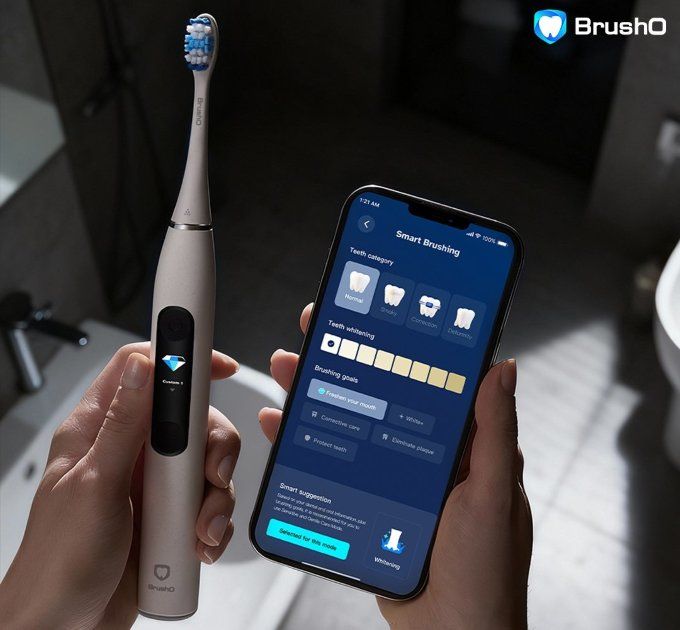
Most people focus on their teeth when brushing — but forget that the gums are the foundation of oral health. Receding gums, bleeding, and inflammation are early signs of gum disease, often caused by incorrect brushing habits. Fortunately, with the right technique and smart tools, gum health can be protected and even improved.
Gums do more than hold your teeth in place — they’re the frontline of defense against bacteria and inflammation.
• Gingivitis (early-stage gum disease)
• Periodontitis (advanced gum infection, leading to tooth loss)
• Systemic inflammation that affects your overall health
Your brushing technique can either protect or damage your gums — and many people don’t realize they’re brushing incorrectly.
Hold your toothbrush at a 45-degree angle to the gumline. Gently move the brush in short circular motions, allowing the bristles to reach slightly under the gumline to remove plaque.
Aggressive brushing can damage gum tissue and cause recession. Use light pressure and let the bristles do the work.
Always use a soft or ultra-soft bristle to protect delicate gum tissue. Hard bristles can cause micro-tears and accelerate gum loss.
Spending less time leads to missed areas; brushing too much can wear down gum tissue. 2 minutes, morning and night, is ideal.
Don’t neglect the gumline, inner cheeks, and tongue. Brush along the edges where your teeth meet your gums — this is where most plaque hides.
• Brushing too hard or too fast
• Using medium or hard-bristled brushes
• Skipping the gumline or inner tooth surfaces
• Not changing your brush head regularly
• Not using the right brushing angle
These habits may lead to bleeding, sensitivity, and long-term damage to your gum tissue.
The BrushO AI Smart Toothbrush is designed with gum health in mind:
• Pressure Sensor Alerts: Warns if you’re brushing too hard to prevent gum damage.
• Real-Time Feedback: Monitors angles and coverage to ensure the gumline is properly cleaned.
• Customized Modes: Includes “Gum Care Mode” with gentle vibrations ideal for sensitive or receding gums.
• Heatmap Reports: Shows areas missed — often along the gumline — so you can adjust in your next session.
• Smart Replacement Alerts: Notifies you when to change your brush head, ensuring soft bristles remain effective.
By combining expert technique with AI guidance, BrushO helps users of all ages maintain healthy, resilient gums.
• Floss daily to clean between the gums and teeth.
• Use an antibacterial mouthwash after brushing.
• Avoid tobacco, which weakens gum tissue.
• Eat a gum-friendly diet: rich in Vitamin C and calcium.
• See your dentist regularly for deep cleanings and early detection.
Healthy gums are the foundation of a healthy smile. By brushing correctly — with the proper angle, pressure, and coverage — you can prevent gum disease and enjoy lasting oral wellness. And with BrushO’s AI-powered guidance, every brush becomes a step toward healthier gums.
Jul 30
Jul 30
Jul 29
Jul 22
Jul 19
Jul 17

PPM describes concentration, not the amount to put on the brush. Learn how to read fluoride information while keeping regional guidance and individual advice in view.

That forgotten tube deserves a label check. Learn what toothpaste shelf-life information refers to, why storage matters, and how to avoid guessing from appearance.

Clear gel or opaque paste? Texture is only one feature. Learn which label details matter when comparing toothpastes for your brushing routine.

Minty toothpaste can create a cooling sensation without being chilled. Explore what menthol does and why a fresh feeling is different from complete cleaning.

The sound of a powered brush comes with its moving mechanism. Learn how normal operating noise differs from alerts or an unexpected change that needs checking.

Toothpaste on the mirror? Check when you switch the brush on and off, how you position it, and how to pause without rushing your routine.

A whitening brushing program and a bleaching treatment are different things. Learn how to interpret mode names, surface-stain claims, and realistic expectations.

A tiny cluster of bristles serves a different purpose from a full-size head. Learn where a single-tuft brush may fit into an individually recommended cleaning routine.

Angled tufts, different bristle heights, and the angle of your hand are separate design questions. Learn how to read a toothbrush-head description clearly.

A larger head is not an automatic shortcut to cleaner teeth. Learn how head size affects access, positioning, and the fit of your daily brushing routine.

BrushO AI Electric Toothbrush offers real-time brushing guidance, pressure feedback, coverage tracking, and app-based progress reports for a cleaner daily routine.
BrushO AI Electric Toothbrush offers real-time brushing guidance, pressure feedback, coverage tracking, and app-based progress reports for a cleaner daily routine.


Address: RM 1427, 14/F RADIO CITY 505, HENNESSY RD CAUSEWAY BAY, HONG KONG
Code: 000000
Phone: +852-53758652
Email: customerservice@brusho.com