
Jul 30
Jul 30
Jul 29
Jul 22
Jul 19
Jul 17
You probably associate your desk job with back pain or eye strain. But did you know your daily 9-to-5 can also affect your oral hygiene? From long hours of sitting to constant snacking, desk jobs often encourage habits that quietly damage your teeth and gums. Here’s how your office lifestyle could be sabotaging your smile — and what you can do to protect it.
Many desk workers sip coffee, energy drinks, or soda throughout the day and snack on sugary or processed foods. This creates the perfect environment for plaque to thrive.
• Sugar fuels bacteria that erode enamel.
• Snacking reduces saliva production, which normally neutralizes acids.
• Sticky foods cling to teeth, increasing the risk of cavities.
Tip: Keep water at your desk and opt for tooth-friendly snacks like nuts or cheese.
Deadlines, emails, and long meetings — office stress is real. Many people grind their teeth or clench their jaw without realizing it, especially during high-pressure tasks.
• Worn enamel and tooth fractures
• Headaches and jaw pain
• Increased tooth sensitivity
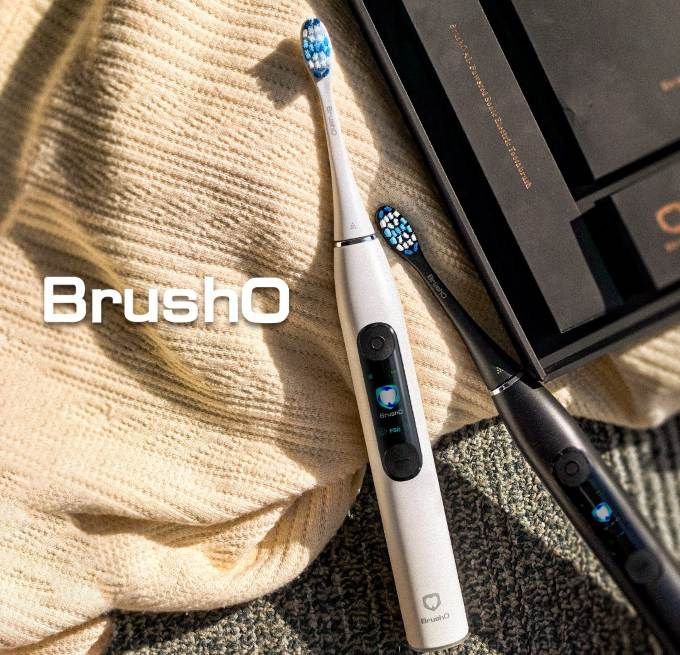
BrushO Tip: Use BrushO’s pressure monitoring system to detect signs of grinding. If your brushing habits show increased pressure, it may be a red flag.
Slouching at your desk doesn’t just hurt your back — it can actually affect the alignment of your jaw over time. Forward head posture and neck tension can contribute to jaw misalignment and temporomandibular joint (TMJ) issues.
• Clicking or popping jaw
• Uneven bite
• Jaw fatigue
Prevent it: Improve your posture and take regular stretch breaks to reduce strain.
Few people brush after lunch in the office — often because they forget, feel awkward, or don’t have a convenient setup.
• Food residue stays on your teeth for hours.
• Acidic foods weaken enamel and leave it vulnerable.
• Skipping daytime brushing allows plaque buildup.
Solution: Keep a compact toothbrush and travel toothpaste at your desk, or use mouthwash if brushing isn’t possible.
When you’re busy with emails and meetings, it’s easy to ignore:
• Gum bleeding
• Bad breath
• Tooth discomfort
These early symptoms of gum disease and decay often go unnoticed until it’s too late.
BrushO Advantage: BrushO gives daily feedback via heatmaps and brushing scores, helping you detect and correct problem areas early — before they turn into dentist visits.
Even with a packed schedule, BrushO makes it easier to stay on top of your oral hygiene:
• AI-powered brushing feedback: Know if you’re brushing too hard or missing zones.
• Custom modes: Choose “Gum Care” or “Deep Clean” based on your oral condition.
• Habit tracking: Sync with your schedule, even if you brush late or after long work hours.
With BrushO, your brushing routine works with your busy lifestyle — not against it.
Your desk job doesn’t have to harm your oral health. With better habits and smarter tools like BrushO, you can prevent long-term damage — one two-minute session at a time.
✅ Watch your snacking habits
✅ Improve posture
✅ Brush after meals
✅ Monitor stress
✅ Use BrushO for smarter brushing
BrushO is an AI-powered smart toothbrush designed to help users brush better, smarter, and healthier. With zone-by-zone feedback, real-time pressure tracking, and personalized brushing scores, BrushO transforms oral hygiene into a precision-guided, habit-building experience for modern lifestyles.
Jul 30
Jul 30
Jul 29
Jul 22
Jul 19
Jul 17

If you are thirsty after brushing, choose plain water. Plan your usual bedtime drink before brushing and skip the immediate rinse at the sink.

Waterpik recommends warm water for its flossers. Check your own model and use comfortably lukewarm water if cold water feels sharp.

Let an intact handle return to room temperature before you consider charging it. Check your manual and watch for signs of battery or housing damage.

Lift away the paste, check the care label, and use cool water on washable fabric. Here is a quick approach for a fresh spot.

Turn the brush off, then check the fit, the connection, and the condition of the head. A second compatible head can help you narrow it down.

Look for a clean, rigid container with a secure lid and keep it with your belongings. A napkin on a lunch tray is easy to clear away.

Check the care directions for your clear retainer. Clinics give different instructions, and the right cleaning method depends on the appliance you received.

Try a gentle rinse first. If the hull sits between teeth and floss moves freely, make a careful pass and stop if it still feels stuck.

A tight gap or rough edge can catch floss. Notice where it snags, keep the movement gentle, and find out when to ask your dentist to check.

Your first sip can taste sharp after brushing. Here is what may be changing and how to make breakfast taste like breakfast again.

BrushO AI Electric Toothbrush offers real-time brushing guidance, pressure feedback, coverage tracking, and app-based progress reports for a cleaner daily routine.
BrushO AI Electric Toothbrush offers real-time brushing guidance, pressure feedback, coverage tracking, and app-based progress reports for a cleaner daily routine.


Address: RM 1427, 14/F RADIO CITY 505, HENNESSY RD CAUSEWAY BAY, HONG KONG
Code: 000000
Phone: +852-53758652
Email: customerservice@brusho.com