
Jul 30
Jul 30
Jul 29
Jul 22
Jul 19
Jul 17
Hydration is essential for overall health and plays a critical role in maintaining saliva production, which protects teeth and gums from bacterial damage. However, excessive fluid intake — particularly rapid or continuous overhydration — may alter saliva composition and buffering capacity. While rare, this imbalance can reduce the protective effectiveness of saliva against acid exposure and microbial growth. Understanding how hydration levels interact with oral defense mechanisms helps individuals maintain balanced oral health habits. This article explores the physiology of saliva protection, the potential effects of overhydration, and how modern oral care technologies support optimal dental resilience.
Saliva is one of the mouth’s most important defense systems. It performs multiple biological functions:
• Neutralizes acids produced by bacteria
• Remineralizes enamel using calcium and phosphate
• Washes away food debris and microbes
• Maintains oral microbiome balance
• Lubricates tissues to prevent irritation
Proper saliva concentration — not just volume — determines its effectiveness. The protective components rely on mineral density, enzymes, and antimicrobial peptides.
Overhydration occurs when fluid intake significantly exceeds physiological needs. In extreme cases, it can dilute the electrolyte systemically, but even mild overconsumption may influence oral chemistry.
Possible oral effects include:
• Temporary reduction in saliva mineral concentration
• Dilution of buffering compounds
• Faster clearance of protective enzymes
• Reduced viscosity affecting surface coating
This does not typically cause harm in healthy individuals, but it highlights that optimal hydration is about balance rather than excess.
More saliva does not always equal better protection.
Protective saliva depends on:
• Electrolyte concentration
• Antimicrobial protein levels
• pH buffering capability
• Mineral saturation
Rapid fluid intake can momentarily alter these factors, especially when combined with:
• Low nutrient intake
• High sweating rates
• Excess caffeine or alcohol
• Certain medications
Balanced hydration supports optimal composition, while extremes may reduce protective efficiency.
Saliva helps regulate microbial ecosystems. Dilution effects may influence:
• Bacterial adhesion patterns
• Biofilm development
• pH stabilization
• Nutrient availability
Maintaining stable oral hygiene habits — especially effective plaque removal — remains far more impactful than hydration fluctuations alone. This underscores why mechanical cleaning plays the primary preventive role.
Dentally supportive hydration habits include:
• Drinking steadily throughout the day
• Avoiding rapid excessive fluid intake
• Consuming mineral-balanced nutrition
• Monitoring caffeine-related dehydration cycles
• Supporting saliva with consistent oral care
Water supports oral health — but balance optimizes protection.
Even with ideal hydration, plaque control determines bacterial load.
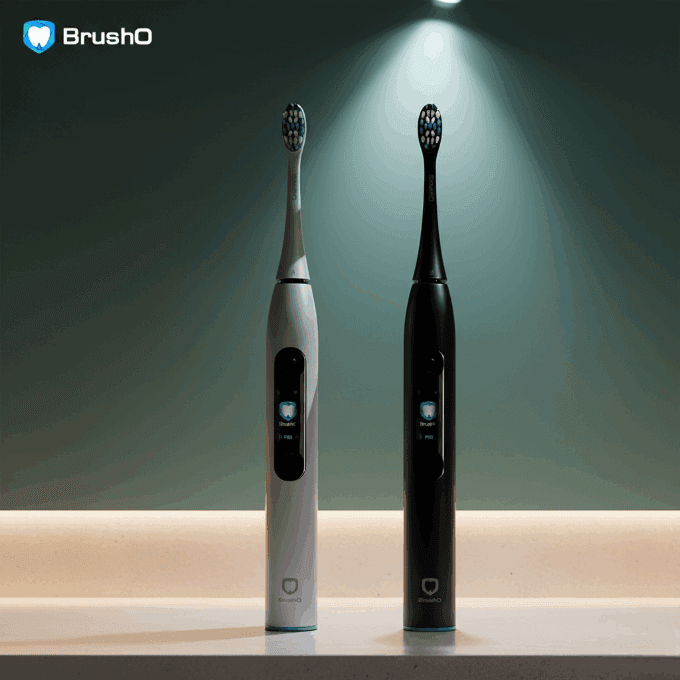
AI-powered brushing tools like BrushO enhance oral defense by:
• Ensuring complete surface cleaning
• Reducing bacterial reservoirs
• Monitoring coverage and pressure
• Reinforcing daily hygiene consistency
• Supporting microbiome stability through habit tracking
By minimizing plaque accumulation, smart brushing works synergistically with saliva’s natural protective mechanisms.
Saliva is a complex biological shield that protects teeth through mineral delivery, microbial regulation, and acid buffering. While hydration is essential for maintaining saliva production, excessive fluid intake may temporarily dilute protective components and reduce functional efficiency. However, hydration extremes rarely outweigh the impact of brushing technique, consistency, and plaque removal. The most effective strategy combines balanced fluid intake with precision oral care supported by intelligent tools like BrushO. When hydration, hygiene, and habit formation align, oral defenses remain resilient and sustainable.
Feb 12
Feb 11
Jul 30
Jul 30
Jul 29
Jul 22
Jul 19
Jul 17

Hyperdontia is the presence of one or more teeth in excess of the normal dental formula, and the resulting teeth are described as supernumerary. The condition is common enough to appear in routine practice but variable enough in presentation that the decision to intervene is rarely straightforwar...

Few patients complete orthodontic treatment without asking whether their teeth will move back. The honest answer is that they will, to some degree, in the majority of cases. Relapse is not a failure of treatment but a predictable biological response, and understanding why it happens is the basis ...

The mandible is the largest and most frequently fractured bone of the facial skeleton, and its management sits at the interface between trauma surgery and restorative dentistry. Treatment has shifted over four decades from prolonged maxillomandibular fixation towards rigid internal fixation with ...

Chronic liver disease affects hundreds of millions of people worldwide, and its prevalence continues to rise with the epidemic of metabolic liver disease. The liver is central to haemostasis, drug metabolism and immune competence, and its failure therefore alters the risk profile of almost every ...

Excessive gingival display, commonly described as a gummy smile, is one of the most frequent aesthetic concerns presented to dental practitioners. The condition is not a single entity but a clinical presentation that can arise from skeletal, gingival, muscular or dental factors, and the treatment...

Drug-induced gingival overgrowth is a well-recognised adverse effect of several widely prescribed medications, and it remains one of the most common drug-related findings in periodontal practice. The condition produces firm, fibrous enlargement of the gingiva that can interfere with speech, masti...

Denture stomatitis is an inflammatory condition of the denture-bearing mucosa that affects a large proportion of removable prosthesis wearers, yet it is frequently dismissed as a cosmetic annoyance. The condition is driven by a Candida biofilm on the fitting surface of the prosthesis, and it is m...

Chronic kidney disease affects an estimated 850 million people worldwide, and the number of patients surviving on dialysis or with a renal transplant continues to rise. These patients carry an oral disease burden that is substantially higher than that of the general population, and their medical ...

Angular cheilitis is an inflammatory lesion of the labial commissures that presents with erythema, fissuring and crusting at the corners of the mouth. It is one of the most common conditions encountered in general dental practice, yet it is frequently treated as a simple fungal infection and allo...

Adverse reactions to dental materials are uncommon but they are not rare, and they are frequently misdiagnosed because the oral mucosa responds to allergens in a limited number of ways. A burning sensation, a persistent ulcer or an unexplained area of erythema may all represent a hypersensitivity...

BrushO AI Electric Toothbrush offers real-time brushing guidance, pressure feedback, coverage tracking, and app-based progress reports for a cleaner daily routine.
BrushO AI Electric Toothbrush offers real-time brushing guidance, pressure feedback, coverage tracking, and app-based progress reports for a cleaner daily routine.


Address: RM 1427, 14/F RADIO CITY 505, HENNESSY RD CAUSEWAY BAY, HONG KONG
Code: 000000
Phone: +852-53758652
Email: customerservice@brusho.com