
Jul 30
Jul 30
Jul 29
Jul 22
Jul 19
Jul 17
Do you think your toothbrush is personal and hygienic? Think again. Studies show that toothbrushes can harbor millions of bacteria, and under certain conditions, they can even transmit germs between people—especially when toothbrushes are stored close together or improperly cleaned. In this article, we’ll break down how germs spread through toothbrushes, the science behind contamination, and most importantly, how smart toothbrush hygiene habits and AI-powered tools like BrushO can help you stay protected.
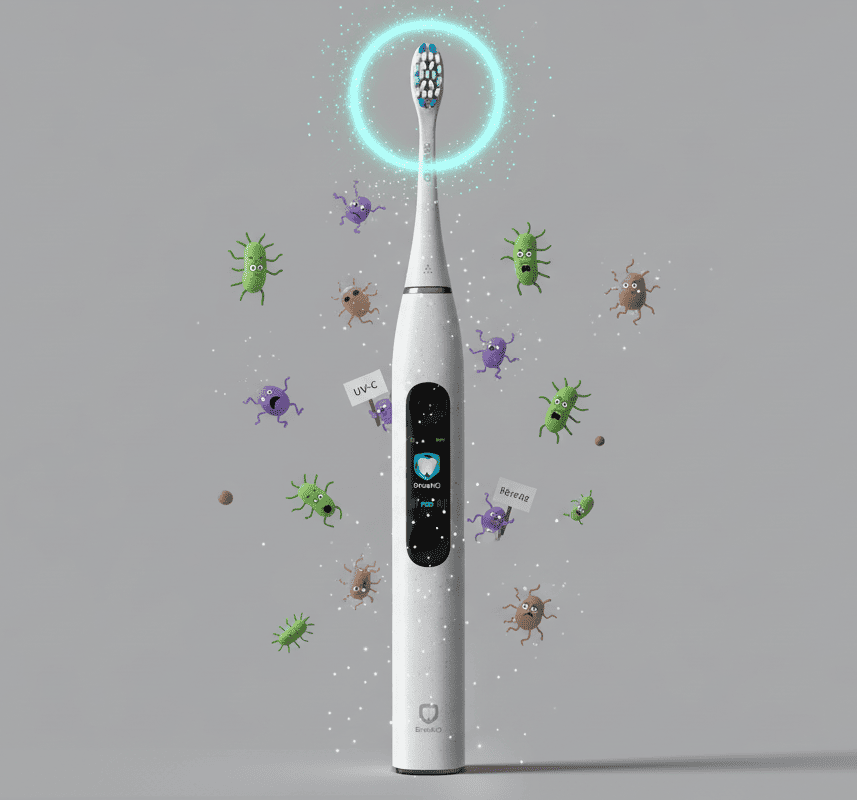
Even though you use it with toothpaste, your toothbrush can still accumulate harmful bacteria, viruses, and even mold. After each use, moisture combined with a warm bathroom environment creates a perfect breeding ground for microbial growth.
Bacterial buildup: Streptococcus, Staphylococcus, E. coli
Cross-contamination: From nearby brushes or shared holders
Fungal growth: From wet brush heads that never fully dry
Yes, especially when brushes are stored together in small spaces or cups, their bristles may touch, transferring bacteria. Even aerosols from toilet flushes can contaminate nearby toothbrushes if they’re left uncovered.
Couples or roommates storing brushes together
Families using shared holders in a single bathroom
Travel kits where brushes are crammed in one pouch
While most healthy adults won’t get sick from toothbrush germs, certain groups are more vulnerable:
Children with developing immune systems
Elderly individuals
People recovering from illnesses
Anyone with gum disease or oral wounds
Keep toothbrushes upright in a holder with enough space between each—never let bristles touch.
Caps can help during travel, but can also trap moisture. Use only ventilated covers, and avoid sealing a wet brush.
Air-drying is essential. BrushO’s charging base helps eliminate bacteria while drying your brush effectively.
Soak the head in antibacterial mouthwash or 3% hydrogen peroxide weekly to reduce bacterial load.
Unlike traditional toothbrushes, BrushO’s AI-powered toothbrush and smart system are designed with hygiene and safety in mind.
Reminds you when to replace your brush head
Compatible with free brush head replacement via reward points
Secure travel case design that supports proper airflow
BrushO isn’t just smarter—it’s cleaner. From AI hygiene monitoring to habit tracking, the system is built to protect your health, not just clean your teeth.
✅ Replace brush head every 3 months
Or sooner if you’ve been sick or the bristles look worn.
✅ Avoid group storage in the bathroom
Especially if someone is ill.
✅ Don’t share brushes—ever
Even with family or partners.
Jul 30
Jul 30
Jul 29
Jul 22
Jul 19
Jul 17

PPM describes concentration, not the amount to put on the brush. Learn how to read fluoride information while keeping regional guidance and individual advice in view.

That forgotten tube deserves a label check. Learn what toothpaste shelf-life information refers to, why storage matters, and how to avoid guessing from appearance.

Clear gel or opaque paste? Texture is only one feature. Learn which label details matter when comparing toothpastes for your brushing routine.

Minty toothpaste can create a cooling sensation without being chilled. Explore what menthol does and why a fresh feeling is different from complete cleaning.

The sound of a powered brush comes with its moving mechanism. Learn how normal operating noise differs from alerts or an unexpected change that needs checking.

Toothpaste on the mirror? Check when you switch the brush on and off, how you position it, and how to pause without rushing your routine.

A whitening brushing program and a bleaching treatment are different things. Learn how to interpret mode names, surface-stain claims, and realistic expectations.

A tiny cluster of bristles serves a different purpose from a full-size head. Learn where a single-tuft brush may fit into an individually recommended cleaning routine.

Angled tufts, different bristle heights, and the angle of your hand are separate design questions. Learn how to read a toothbrush-head description clearly.

A larger head is not an automatic shortcut to cleaner teeth. Learn how head size affects access, positioning, and the fit of your daily brushing routine.

BrushO AI Electric Toothbrush offers real-time brushing guidance, pressure feedback, coverage tracking, and app-based progress reports for a cleaner daily routine.
BrushO AI Electric Toothbrush offers real-time brushing guidance, pressure feedback, coverage tracking, and app-based progress reports for a cleaner daily routine.


Address: RM 1427, 14/F RADIO CITY 505, HENNESSY RD CAUSEWAY BAY, HONG KONG
Code: 000000
Phone: +852-53758652
Email: customerservice@brusho.com