
Jul 30
Jul 30
Jul 29
Jul 22
Jul 19
Jul 17
Toothbrushing is one of the most familiar health routines in daily life, yet research consistently shows that brushing quality often falls short of expectations. Many individuals equate frequency with effectiveness, assuming that brushing twice a day guarantees proper oral hygiene. In reality, plaque removal efficiency depends on technique, coverage, pressure control, and behavioral consistency — factors rarely self-monitored accurately. This article explores the psychological and biological reasons people overestimate their brushing performance, examines overlooked aspects of the oral ecosystem, and outlines evidence-based strategies for improving cleaning outcomes. With advances in guided brushing technologies such as BrushO, users can transition from perception-based routines to data-driven oral care that protects long-term dental health.
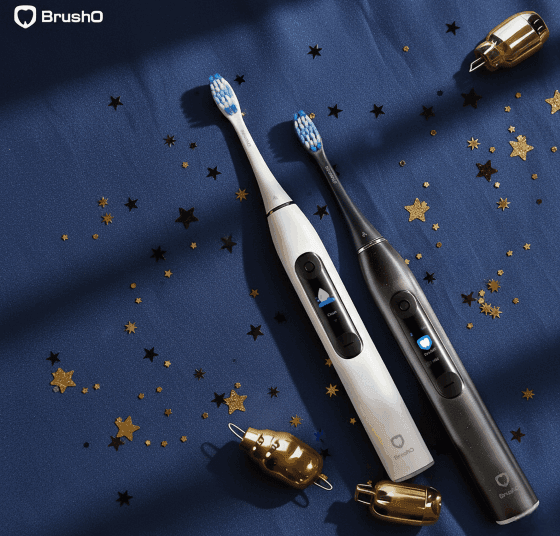
Brushing feels straightforward, leading many individuals to assume they perform it correctly. This creates a cognitive bias known as perceived competence, where familiarity leads to overconfidence.
People often judge cleanliness by:
• Smooth tooth surfaces
• Whitening appearance
• Fresh breath sensation
However, plaque biofilm is microscopic and adheres to surfaces beyond visual detection. Studies in behavioral dentistry suggest that individuals frequently misjudge plaque removal success without objective feedback.
Visual or sensory feedback rarely reflects biological reality.
Plaque commonly accumulates in:
• Interdental gaps
• Along the gumline
• Lingual (inner) tooth surfaces
• Posterior molars
These zones are statistically the most neglected during manual brushing.
Residual plaque contributes to:
• Caries development
• Gingival inflammation
• Microbial imbalance
• Chronic halitosis
Effective oral hygiene requires targeted mechanical disruption rather than superficial polishing.
Public health guidelines emphasize brushing duration, but clinical outcomes depend heavily on technique quality.
• Excessive pressure damaging enamel
• Insufficient pressure leaving plaque intact
• Skipping inner surfaces
• Ignoring gumline angles
• Rushed brushing strokes
Even two minutes of inefficient motion may remove less plaque than shorter, properly guided brushing.
Proper technique involves:
• 45° angulation toward gums
• Even zone distribution
• Controlled pressure
• Structured sequence coverage
Oral hygiene is often reduced to tooth surface cleaning, ignoring microbial habitats elsewhere.
Harbors anaerobic bacteria linked to odor production
Soft tissues
Cheeks and palate host bacterial reservoirs
Gums
Inflammation begins along plaque-retention margins
Comprehensive hygiene addresses the entire oral biome rather than isolated surfaces.
Traditional toothbrushes provide no performance feedback, leaving users dependent on self-assessment.
Smart oral care systems such as BrushO bridge this gap through:
• Pressure monitoring
• Coverage tracking
• Zone guidance
• Session analytics
• Habit reinforcement
These features transform brushing into a measurable activity, improving technique awareness and reducing human estimation error.
Behavioral consistency remains one of the strongest predictors of oral health outcomes.
Recommended supporting habits:
• Daily flossing
• Post-meal rinsing
• Routine brush head replacement
• Preventive dental visits
Long-term dental stability results from cumulative behavior patterns rather than isolated effort.
Most individuals believe they brush effectively due to familiarity and sensory feedback, yet objective evaluation often reveals coverage gaps and technique errors. Effective oral hygiene relies on precision, consistency, and awareness of the mouth’s full biological ecosystem. Integrating guided brushing technology and evidence-based habits enables users to move beyond perceived cleanliness toward measurable health protection. By aligning daily routines with dental science, individuals can significantly reduce the long-term risk of decay and gum disease.
Feb 20
Feb 19
Jul 30
Jul 30
Jul 29
Jul 22
Jul 19
Jul 17

If you are thirsty after brushing, choose plain water. Plan your usual bedtime drink before brushing and skip the immediate rinse at the sink.

Waterpik recommends warm water for its flossers. Check your own model and use comfortably lukewarm water if cold water feels sharp.

Let an intact handle return to room temperature before you consider charging it. Check your manual and watch for signs of battery or housing damage.

Lift away the paste, check the care label, and use cool water on washable fabric. Here is a quick approach for a fresh spot.

Turn the brush off, then check the fit, the connection, and the condition of the head. A second compatible head can help you narrow it down.

Look for a clean, rigid container with a secure lid and keep it with your belongings. A napkin on a lunch tray is easy to clear away.

Check the care directions for your clear retainer. Clinics give different instructions, and the right cleaning method depends on the appliance you received.

Try a gentle rinse first. If the hull sits between teeth and floss moves freely, make a careful pass and stop if it still feels stuck.

A tight gap or rough edge can catch floss. Notice where it snags, keep the movement gentle, and find out when to ask your dentist to check.

Your first sip can taste sharp after brushing. Here is what may be changing and how to make breakfast taste like breakfast again.

Die BrushO KI-Elektrozahnbürste bietet Echtzeit-Anleitung, Druckfeedback, Abdeckungsverfolgung und Fortschrittsberichte in der App für eine sauberere tägliche Routine.
Die BrushO KI-Elektrozahnbürste bietet Echtzeit-Anleitung, Druckfeedback, Abdeckungsverfolgung und Fortschrittsberichte in der App für eine sauberere tägliche Routine.


Address: RM 1427, 14/F RADIO CITY 505, HENNESSY RD CAUSEWAY BAY, HONG KONG
Code: 000000
Phone: +852-53758652
Email: customerservice@brusho.com