
Jul 30
Jul 30
Jul 29
Jul 22
Jul 19
Jul 17
Saliva is often overlooked in oral care conversations, but it’s a natural defense mechanism that plays a vital role in maintaining the health of your teeth and gums. From balancing pH to washing away harmful bacteria, your saliva works around the clock to support your mouth’s ecosystem. In this article, we explore the essential functions of saliva, the problems caused by reduced saliva production, and how smart brushing with BrushO can complement your body’s natural protection system.
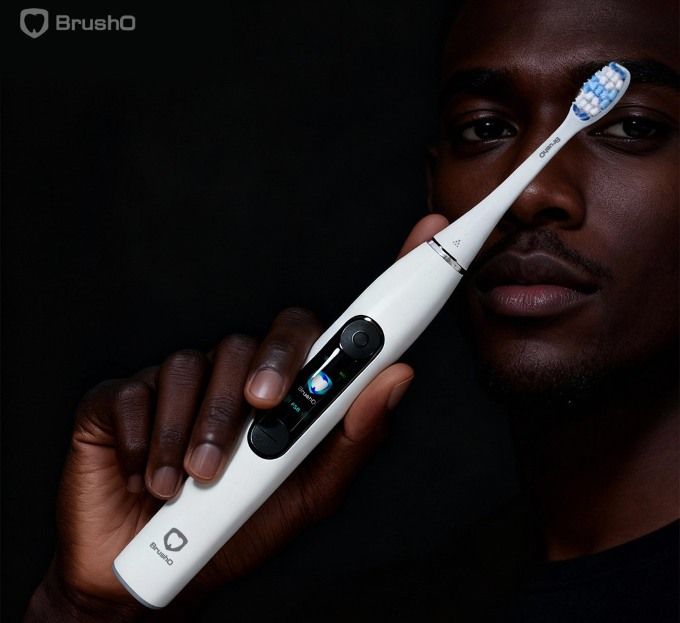
Saliva isn’t just water in your mouth — it’s a powerful blend of enzymes, electrolytes, and antimicrobial agents designed to:
• Neutralize Acids: Saliva balances the pH in your mouth after eating or drinking, helping to protect enamel from erosion.
• Protect Teeth and Gums: It forms a protective coating on teeth, helping prevent cavities and gum disease.
• Aid in Cleaning: It naturally rinses away food debris and bacteria between brushes.
• Support Digestion: Saliva contains enzymes that begin breaking down food, reducing residue that bacteria feed on.
A condition called xerostomia (dry mouth) can occur due to stress, medication, dehydration, or age. When your saliva production drops:
• Harmful bacteria multiply faster
• Enamel erodes more easily due to an unbalanced pH
• Plaque builds up quicker
• Bad breath becomes more common
• Cavities and gum inflammation increase
In short, without saliva, your brushing alone might not be enough.
This is where smart brushing with BrushO makes a difference. Its pressure-sensitive technology and intelligent feedback system work with—not against—your mouth’s natural defenses. Here’s how:
• Gentle Brushing = Saliva Preservation: Overbrushing can irritate tissues and reduce natural flow. BrushO detects and prevents this.
• Better Coverage = Less Debris: Saliva can’t remove everything. BrushO’s 16-zone AI tracking ensures no area is left behind.
• Real-Time Feedback = Balanced Hygiene: When paired with saliva’s natural cleaning, smart brushing ensures your mouth stays in its healthiest state.
1. Stay Hydrated – Water is essential for adequate saliva flow. Drink consistently throughout the day.
2. Avoid Mouth-Drying Habits – Limit caffeine, alcohol, and tobacco use.
3. Chew Sugar-Free Gum – It stimulates saliva flow naturally.
4. Use Smart Tools Like BrushO – Minimize brushing damage and clean more effectively alongside saliva’s natural protection.
After brushing, avoid rinsing with water immediately. Let your toothpaste ingredients combine with saliva to offer prolonged protection.
Saliva is your body’s natural toothbrush — but it can’t do it all alone. Pairing it with a smart toothbrush like BrushO enhances its protective effects, ensures cleaner results, and prevents long-term dental issues. Next time you brush, remember: you’re not alone. Your saliva’s got your back.
Jul 30
Jul 30
Jul 29
Jul 22
Jul 19
Jul 17

PPM describes concentration, not the amount to put on the brush. Learn how to read fluoride information while keeping regional guidance and individual advice in view.

That forgotten tube deserves a label check. Learn what toothpaste shelf-life information refers to, why storage matters, and how to avoid guessing from appearance.

Clear gel or opaque paste? Texture is only one feature. Learn which label details matter when comparing toothpastes for your brushing routine.

Minty toothpaste can create a cooling sensation without being chilled. Explore what menthol does and why a fresh feeling is different from complete cleaning.

The sound of a powered brush comes with its moving mechanism. Learn how normal operating noise differs from alerts or an unexpected change that needs checking.

Toothpaste on the mirror? Check when you switch the brush on and off, how you position it, and how to pause without rushing your routine.

A whitening brushing program and a bleaching treatment are different things. Learn how to interpret mode names, surface-stain claims, and realistic expectations.

A tiny cluster of bristles serves a different purpose from a full-size head. Learn where a single-tuft brush may fit into an individually recommended cleaning routine.

Angled tufts, different bristle heights, and the angle of your hand are separate design questions. Learn how to read a toothbrush-head description clearly.

A larger head is not an automatic shortcut to cleaner teeth. Learn how head size affects access, positioning, and the fit of your daily brushing routine.

Die BrushO KI-Elektrozahnbürste bietet Echtzeit-Anleitung, Druckfeedback, Abdeckungsverfolgung und Fortschrittsberichte in der App für eine sauberere tägliche Routine.
Die BrushO KI-Elektrozahnbürste bietet Echtzeit-Anleitung, Druckfeedback, Abdeckungsverfolgung und Fortschrittsberichte in der App für eine sauberere tägliche Routine.


Address: RM 1427, 14/F RADIO CITY 505, HENNESSY RD CAUSEWAY BAY, HONG KONG
Code: 000000
Phone: +852-53758652
Email: customerservice@brusho.com