
Jul 30
Jul 30
Jul 29
Jul 22
Jul 19
Jul 17
Many people instinctively rinse their mouths with water after brushing. But is that helping or hurting your dental health? This article explores the science behind post-brushing rinsing, the role of fluoride, and how AI-powered toothbrushes like BrushO help build better brushing habits for long-term oral health.
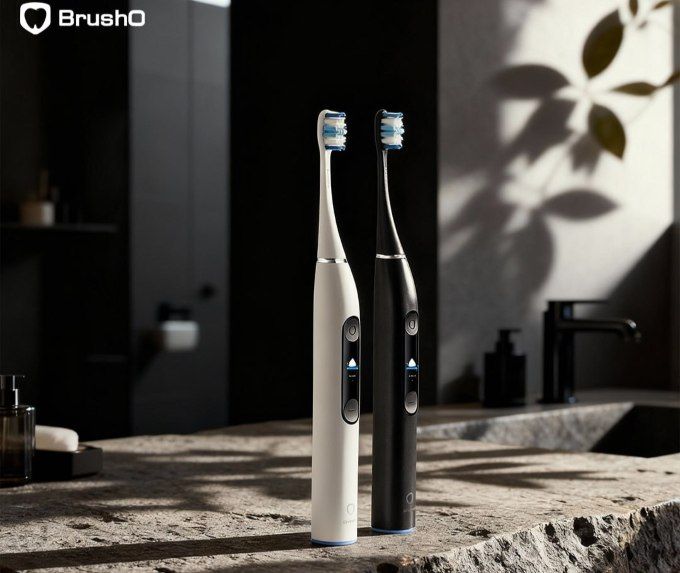
After brushing your teeth, you may feel the urge to rinse your mouth with water to remove any leftover toothpaste. While this seems natural, it may be working against you.
Toothpaste contains fluoride — a powerful mineral that strengthens enamel and prevents cavities. Rinsing immediately after brushing washes away this protective layer, reducing its effectiveness.
Dental experts now recommend: “Spit, don’t rinse.”
This allows fluoride to remain on the teeth longer, continuing to protect the enamel even after brushing.
Fluoride in toothpaste isn’t just for cleaning — it works after brushing to remineralize your teeth. If you rinse with water or mouthwash too soon, you may reduce fluoride’s protective benefits.
• Higher fluoride retention = better cavity protection
• Reduced plaque and acid attack on enamel
• Longer-lasting clean feeling
So if you’re rinsing right away, you’re cutting short one of the most important parts of your oral care routine.
It depends on the type of mouthwash. If your rinse contains fluoride, use it at a separate time (like after lunch). But avoid alcohol-based or whitening rinses immediately after brushing — they can wash away toothpaste’s benefits or cause enamel sensitivity.
Using an AI-powered toothbrush like BrushO helps users build ideal habits, including:
BrushO’s smart brushing assistant ensures you:
• Brush the correct zones
• Use the right pressure
• Don’t over-rinse or over-brush
The app logs your brushing behavior, including time and technique, and encourages small habit improvements — like skipping that post-brush rinse.
BrushO teaches users through its app notifications and reports why post-brush fluoride exposure matters, making it easier to build long-term healthy habits.
1. Spit out the toothpaste — no rinsing
2. Wait 30 minutes before eating or drinking
3. Use fluoride mouthwash at other times, not after brushing
4. Get reminders from smart toothbrush apps like BrushO
It may feel weird at first, but you’ll notice the long-term benefits.
Brushing your teeth isn’t just about removing plaque — it’s also about protecting enamel. One simple change, like skipping the rinse, can dramatically improve fluoride effectiveness and cavity prevention. And with AI-powered tools like BrushO, you don’t have to remember every detail — the technology guides you through optimized oral care, step by step.
Jul 30
Jul 30
Jul 29
Jul 22
Jul 19
Jul 17

PPM describes concentration, not the amount to put on the brush. Learn how to read fluoride information while keeping regional guidance and individual advice in view.

That forgotten tube deserves a label check. Learn what toothpaste shelf-life information refers to, why storage matters, and how to avoid guessing from appearance.

Clear gel or opaque paste? Texture is only one feature. Learn which label details matter when comparing toothpastes for your brushing routine.

Minty toothpaste can create a cooling sensation without being chilled. Explore what menthol does and why a fresh feeling is different from complete cleaning.

The sound of a powered brush comes with its moving mechanism. Learn how normal operating noise differs from alerts or an unexpected change that needs checking.

Toothpaste on the mirror? Check when you switch the brush on and off, how you position it, and how to pause without rushing your routine.

A whitening brushing program and a bleaching treatment are different things. Learn how to interpret mode names, surface-stain claims, and realistic expectations.

A tiny cluster of bristles serves a different purpose from a full-size head. Learn where a single-tuft brush may fit into an individually recommended cleaning routine.

Angled tufts, different bristle heights, and the angle of your hand are separate design questions. Learn how to read a toothbrush-head description clearly.

A larger head is not an automatic shortcut to cleaner teeth. Learn how head size affects access, positioning, and the fit of your daily brushing routine.

Die BrushO KI-Elektrozahnbürste bietet Echtzeit-Anleitung, Druckfeedback, Abdeckungsverfolgung und Fortschrittsberichte in der App für eine sauberere tägliche Routine.
Die BrushO KI-Elektrozahnbürste bietet Echtzeit-Anleitung, Druckfeedback, Abdeckungsverfolgung und Fortschrittsberichte in der App für eine sauberere tägliche Routine.


Address: RM 1427, 14/F RADIO CITY 505, HENNESSY RD CAUSEWAY BAY, HONG KONG
Code: 000000
Phone: +852-53758652
Email: customerservice@brusho.com