
Jul 30
Jul 30
Jul 29
Jul 22
Jul 19
Jul 17
Aging brings new challenges for oral hygiene — from dry mouth to gum recession and limited dexterity. This guide offers practical, age-appropriate tips for elderly adults to maintain a healthy mouth, including how smart toothbrushes like BrushO make brushing easier, safer, and more effective.
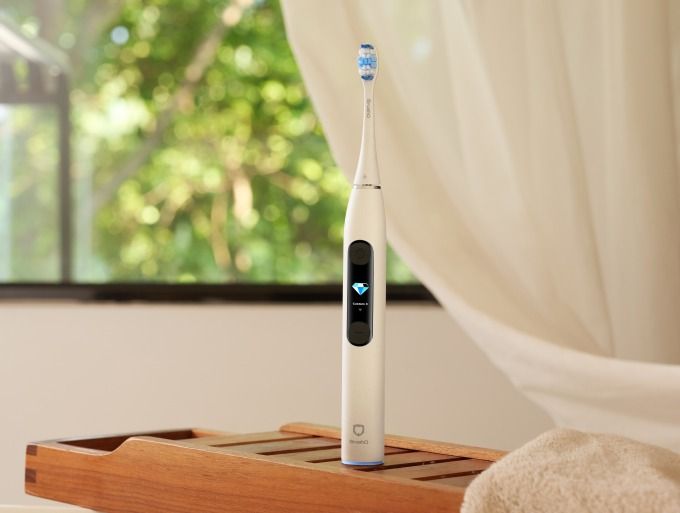
As we grow older, our bodies change — and that includes the mouth. Seniors face unique oral health risks due to:
• Reduced saliva production (dry mouth)
• Gum recession exposing tooth roots
• Tooth sensitivity and wear
• Arthritis or limited mobility affecting brushing technique
• Medication side effects impacting the oral environment
Without proper care, these changes can lead to increased plaque, tooth decay, gum disease, and even systemic health issues like cardiovascular disease.
Understanding what to watch for helps with early prevention:
Caused by age or medications, dry mouth increases the risk of cavities and infections. Saliva is critical for washing away food and neutralizing acids.
Tip: Stay hydrated and talk to your dentist about saliva substitutes.
Gums tend to pull back with age, exposing sensitive areas and increasing the risk of root decay.
Tip: Use a soft-bristled or pressure-sensitive brush like BrushO, which adapts to avoid harming the gums.
Thinner enamel, exposed dentin, and receding gums can cause discomfort during brushing or eating.
Tip: Use desensitizing toothpaste and brush with gentle, guided pressure — something BrushO can monitor in real time.
Conditions like arthritis or Parkinson’s may affect the ability to hold a toothbrush or apply the correct technique.
Tip: A larger-handled, AI-powered electric toothbrush like BrushO can ease brushing by doing the work for you and providing easy-to-read brushing reports.
BrushO is more than just a toothbrush — it’s a smart health companion for elderly users:
• Pressure Control: Prevents brushing too hard, which can damage enamel and gums.
• Smart Zone Feedback: Ensures no area is missed, even with limited hand movement.
• Daily Reports: Offers visual feedback and scores for easy tracking.
• Customizable Modes: Seniors can choose “Gentle Clean” or “Gum Care” based on comfort and dental advice.
For those with caregivers, the BrushO App can also share brushing data to ensure routines are followed consistently.
• Visit the dentist at least twice a year — and more often if managing chronic illnesses.
• Clean dentures daily and remove them at night.
• Floss regularly or use a water flosser if dexterity is limited.
• Watch for signs of oral cancer, such as lumps, sores, or persistent pain.
• Use fluoride toothpaste to strengthen aging enamel.
Oral care doesn’t stop with age — in fact, it becomes even more important. With proper routines and the help of tools like BrushO, seniors can protect their oral health well into their golden years. Technology empowers independence and improves quality of life, one brush at a time.
Jul 30
Jul 30
Jul 29
Jul 22
Jul 19
Jul 17

If you are thirsty after brushing, choose plain water. Plan your usual bedtime drink before brushing and skip the immediate rinse at the sink.

Waterpik recommends warm water for its flossers. Check your own model and use comfortably lukewarm water if cold water feels sharp.

Let an intact handle return to room temperature before you consider charging it. Check your manual and watch for signs of battery or housing damage.

Lift away the paste, check the care label, and use cool water on washable fabric. Here is a quick approach for a fresh spot.

Turn the brush off, then check the fit, the connection, and the condition of the head. A second compatible head can help you narrow it down.

Look for a clean, rigid container with a secure lid and keep it with your belongings. A napkin on a lunch tray is easy to clear away.

Check the care directions for your clear retainer. Clinics give different instructions, and the right cleaning method depends on the appliance you received.

Try a gentle rinse first. If the hull sits between teeth and floss moves freely, make a careful pass and stop if it still feels stuck.

A tight gap or rough edge can catch floss. Notice where it snags, keep the movement gentle, and find out when to ask your dentist to check.

Your first sip can taste sharp after brushing. Here is what may be changing and how to make breakfast taste like breakfast again.

Die BrushO KI-Elektrozahnbürste bietet Echtzeit-Anleitung, Druckfeedback, Abdeckungsverfolgung und Fortschrittsberichte in der App für eine sauberere tägliche Routine.
Die BrushO KI-Elektrozahnbürste bietet Echtzeit-Anleitung, Druckfeedback, Abdeckungsverfolgung und Fortschrittsberichte in der App für eine sauberere tägliche Routine.


Address: RM 1427, 14/F RADIO CITY 505, HENNESSY RD CAUSEWAY BAY, HONG KONG
Code: 000000
Phone: +852-53758652
Email: customerservice@brusho.com