
Jul 30
Jul 30
Jul 29
Jul 22
Jul 19
Jul 17
This article explores how AI-powered toothbrushes—like BrushO—help you brush more effectively, avoid common oral hygiene mistakes, and gain valuable brushing insights through personalized data reports. Whether you’re upgrading from manual or want to get the most from your current device, this guide will show you how to master the smart brushing experience.
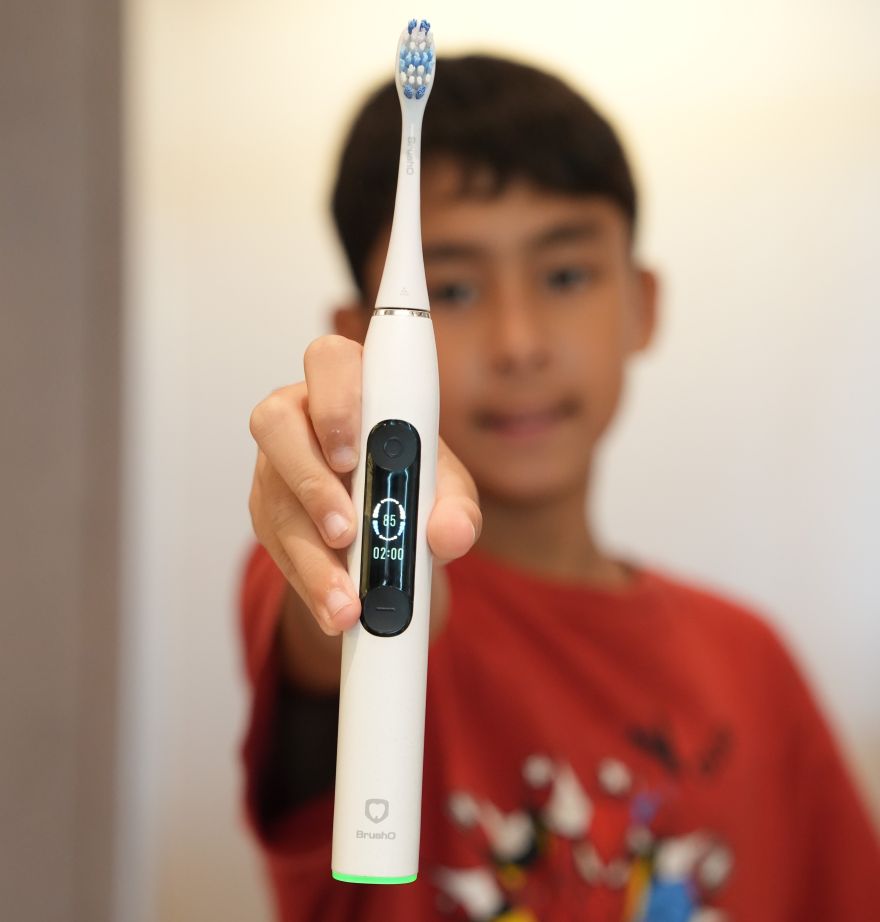
Electric toothbrushes aren’t new—but adding AI into the mix? That’s changing the game. AI-powered toothbrushes like BrushO use sensors and algorithms to analyze your brushing behavior in real time. These aren’t gimmicks—they’re real tools designed to improve brushing technique, boost consistency, and help you spot bad habits before they cause damage.
Mastering AI brushing means going beyond turning the brush on. Here’s your step-by-step:
Download the companion BrushO app and connect via BLE5.0 Bluetooth. This unlocks real-time feedback, brushing history, and AI reports.
Whether it’s gum health, whitening, or plaque control, the BrushO app lets you customize your goal—and the brushing AI will adapt your feedback accordingly.
Let the AI lead. BrushO’s FSB technology (Fully Smart Brushing) ensures consistent vibration across zones. Its TFT color screen shows clear visual guidance while brushing.
BrushO generates daily, weekly, and monthly brushing reports—think of it like a “fitness tracker” for your mouth. Spot skipped areas, timing trends, and progress.
BrushO supports replaceable brush heads. Pick a soft-bristle head for sensitive gums or a medium one for deep cleaning. Change every 3 months.
Brushing reports aren’t just cool—they’re useful. Share them with your dentist or hygienist for a more tailored oral care strategy.
BrushO’s QI charging protocol and 45-day battery life make it ideal for travel. No bulky docks, no worries about juice. Just charge for 6 hours and go.
| Feature | BrushO | Other Brands |
| AI Brushing Report | ✅ Daily/Weekly/Monthly | ⚠️ Weekly Only |
| 6-Zone Tracking | ✅ 16 surfaces mapped | ⚠️ Partial |
| Display | ✅ TFT color | ⚠️ LED or none |
| Charging | ✅ QI Wireless | ⚠️ Proprietary dock |
| Battery Life | ✅ 45 Days | ⚠️ 10–20 Days |
AI brushing isn’t a tech gimmick. It’s a real evolution in oral health—one that gives you control, insight, and confidence. With BrushO, brushing becomes smarter, not harder—and your dentist will thank you.
Oct 30
Oct 29
Jul 30
Jul 30
Jul 29
Jul 22
Jul 19
Jul 17

PPM describes concentration, not the amount to put on the brush. Learn how to read fluoride information while keeping regional guidance and individual advice in view.

That forgotten tube deserves a label check. Learn what toothpaste shelf-life information refers to, why storage matters, and how to avoid guessing from appearance.

Clear gel or opaque paste? Texture is only one feature. Learn which label details matter when comparing toothpastes for your brushing routine.

Minty toothpaste can create a cooling sensation without being chilled. Explore what menthol does and why a fresh feeling is different from complete cleaning.

The sound of a powered brush comes with its moving mechanism. Learn how normal operating noise differs from alerts or an unexpected change that needs checking.

Toothpaste on the mirror? Check when you switch the brush on and off, how you position it, and how to pause without rushing your routine.

A whitening brushing program and a bleaching treatment are different things. Learn how to interpret mode names, surface-stain claims, and realistic expectations.

A tiny cluster of bristles serves a different purpose from a full-size head. Learn where a single-tuft brush may fit into an individually recommended cleaning routine.

Angled tufts, different bristle heights, and the angle of your hand are separate design questions. Learn how to read a toothbrush-head description clearly.

A larger head is not an automatic shortcut to cleaner teeth. Learn how head size affects access, positioning, and the fit of your daily brushing routine.

Die BrushO KI-Elektrozahnbürste bietet Echtzeit-Anleitung, Druckfeedback, Abdeckungsverfolgung und Fortschrittsberichte in der App für eine sauberere tägliche Routine.
Die BrushO KI-Elektrozahnbürste bietet Echtzeit-Anleitung, Druckfeedback, Abdeckungsverfolgung und Fortschrittsberichte in der App für eine sauberere tägliche Routine.


Address: RM 1427, 14/F RADIO CITY 505, HENNESSY RD CAUSEWAY BAY, HONG KONG
Code: 000000
Phone: +852-53758652
Email: customerservice@brusho.com