
Jul 30
Jul 30
Jul 29
Jul 22
Jul 19
Jul 17
Building a consistent dental routine isn’t just about remembering to brush twice a day—it’s about creating habits rooted in science, personalization, and long-term motivation. Many people start strong and quickly fall off track due to a lack of feedback, poor technique, or a routine that feels tedious. But with the right structure, tools, and mindset, your dental care can become second nature. This guide will walk you through how to build a dental routine that sticks—for good.
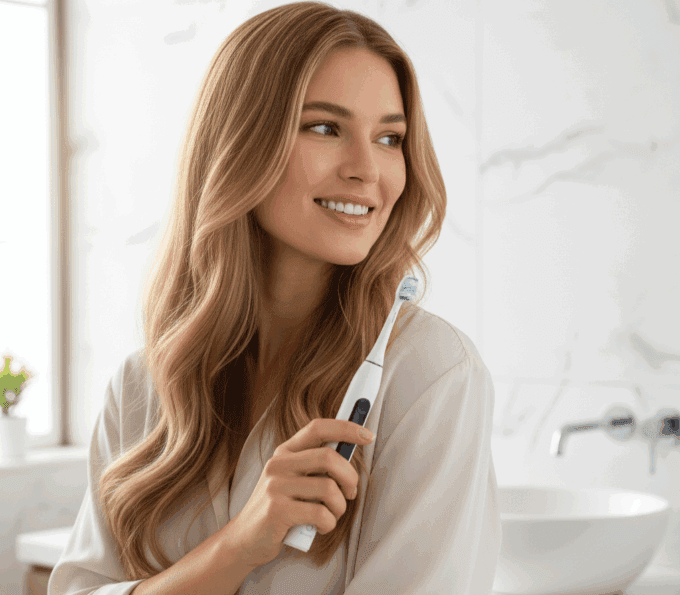
Let’s face it—most people don’t struggle with knowing what to do (brush, floss, rinse), but rather with doing it consistently. The biggest reasons dental routines fail include:
• Lack of Immediate Results: Unlike skincare or fitness, dental results take time.
• Repetitiveness: Brushing can feel like a chore when it’s not engaging.
• No Feedback Loop: Most routines lack feedback, leaving you unsure if you’re improving or regressing.
• Lifestyle Interruptions: Travel, fatigue, stress, or illness easily break routines.
These barriers can be overcome with a combination of habit science and smart technology.
Do you want whiter teeth? Healthier gums? Less sensitivity? Tailor your routine toward a goal—it increases motivation.
Everyone’s oral health status is different. Factors like gum recession, crowding, enamel thickness, or past dental treatments affect the kind of routine you need. Consult your dentist and understand your risk factors.
• Twice daily for 2 minutes using fluoride toothpaste.
• Divide the mouth into 6 zones: upper/lower, outer/inner/chewing surfaces.
• Don’t forget the tongue—it harbors bacteria.
• Floss once a day to remove plaque between teeth.
• Use floss picks or water flossers if string floss is challenging.
• Use an alcohol-free mouthwash tailored to your needs (antibacterial, whitening, sensitivity).
Attach brushing to an existing routine (e.g., right after coffee or shower). This creates a mental trigger.
Brush at the same time each morning and evening. Our brains form habits faster with predictable cues.
Habit-tracking apps or smart toothbrush dashboards (like BrushO) give visual feedback and reinforce progress.
It takes 21 days to build a habit and 90 days to make it a lifestyle. Stick with it even when motivation dips.
AI-powered brushes like BrushO dramatically improve adherence and technique through:
• Real-time feedback on pressure, duration, and coverage.
• 6-zone and 16-surface analysis to ensure complete cleaning.
• Gamified brushing reports to track improvement.
• Rewards for consistency through the BrushO points system.
This kind of smart integration keeps brushing engaging, measurable, and rewarding.
A successful dental routine evolves with your needs:
• Braces or aligners? You’ll need extra cleaning tools like interdental brushes.
• Gum issues? Switch to a soft-bristled brush and anti-inflammatory mouthwash.
• Pregnancy or aging? These life stages require more frequent dental visits.
BrushO adapts to these changes by offering personalized brushing plans and real-time alerts to adjust your technique.
• Set reminders or alarms until brushing becomes automatic.
• Involve family or partners—especially useful for kids and the elderly.
• Schedule bi-annual checkups and cleanings with your dentist.
A dental routine that lasts isn’t about willpower—it’s about structure, personalization, and feedback. By combining science-backed habits with smart technology like BrushO, you can transform your daily oral care into a sustainable, effective, and even enjoyable experience. Start small, stay consistent, and let your smile show the results. BrushO is a cutting-edge AI-powered toothbrush designed to deliver fully smart brushing through real-time feedback, pressure sensors, and brushing analytics. With customizable modes and a rewards system, BrushO ensures every brushing session supports long-term oral health.
Jul 30
Jul 30
Jul 29
Jul 22
Jul 19
Jul 17

PPM describes concentration, not the amount to put on the brush. Learn how to read fluoride information while keeping regional guidance and individual advice in view.

That forgotten tube deserves a label check. Learn what toothpaste shelf-life information refers to, why storage matters, and how to avoid guessing from appearance.

Clear gel or opaque paste? Texture is only one feature. Learn which label details matter when comparing toothpastes for your brushing routine.

Minty toothpaste can create a cooling sensation without being chilled. Explore what menthol does and why a fresh feeling is different from complete cleaning.

The sound of a powered brush comes with its moving mechanism. Learn how normal operating noise differs from alerts or an unexpected change that needs checking.

Toothpaste on the mirror? Check when you switch the brush on and off, how you position it, and how to pause without rushing your routine.

A whitening brushing program and a bleaching treatment are different things. Learn how to interpret mode names, surface-stain claims, and realistic expectations.

A tiny cluster of bristles serves a different purpose from a full-size head. Learn where a single-tuft brush may fit into an individually recommended cleaning routine.

Angled tufts, different bristle heights, and the angle of your hand are separate design questions. Learn how to read a toothbrush-head description clearly.

A larger head is not an automatic shortcut to cleaner teeth. Learn how head size affects access, positioning, and the fit of your daily brushing routine.

Die BrushO KI-Elektrozahnbürste bietet Echtzeit-Anleitung, Druckfeedback, Abdeckungsverfolgung und Fortschrittsberichte in der App für eine sauberere tägliche Routine.
Die BrushO KI-Elektrozahnbürste bietet Echtzeit-Anleitung, Druckfeedback, Abdeckungsverfolgung und Fortschrittsberichte in der App für eine sauberere tägliche Routine.


Address: RM 1427, 14/F RADIO CITY 505, HENNESSY RD CAUSEWAY BAY, HONG KONG
Code: 000000
Phone: +852-53758652
Email: customerservice@brusho.com