
Jul 30
Jul 30
Jul 29
Jul 22
Jul 19
Jul 17
The human mouth hosts one of the body’s most complex microbial ecosystems, containing hundreds of bacterial species that influence dental stability, immune response, and systemic health. While many microorganisms are beneficial, unchecked bacterial growth forms biofilm plaque capable of triggering tooth decay, gum inflammation, and chronic disease pathways. Proper brushing plays a critical biological role by mechanically disrupting bacterial colonies while supporting enamel remineralization through fluoride exposure. This article explores the science behind oral microbial control, explains why technique matters more than frequency alone, and outlines best practices for maintaining microbial balance through structured hygiene routines and guided brushing technologies.
The oral cavity contains a dynamic microbiome where beneficial and harmful bacteria coexist. These microorganisms form structured communities known as biofilms that adhere to tooth enamel, gum tissue, and tongue surfaces.
Without disruption, bacterial colonies metabolize sugars and release acids that:
• Demineralize enamel
• Irritate gum tissue
• Generate odor compounds
• Promote plaque maturation
Saliva provides natural antimicrobial buffering, yet mechanical plaque disruption through brushing remains essential for microbial balance.
The physical motion of brushing fragments bacterial colonies before they consolidate into mineralized tartar. Regular disruption prevents bacterial strengthening and adhesion.
Fluoride and active compounds assist in:
• Enhancing enamel resistance
• Supporting remineralization
• Reducing acid-mediated damage
Together, mechanical and chemical actions maintain oral microbial equilibrium rather than attempting sterilization.
Brushing twice daily does not guarantee effective bacterial control. Consistent microbial survival occurs when specific zones are overlooked.
High-risk bacterial retention areas include:
• Gumline margins
• Lingual tooth surfaces
• Posterior molars
• Tongue dorsum
Thorough, deliberate coverage ensures colonies cannot repeatedly reestablish in protected niches.
The posterior tongue harbors dense microbial populations capable of reseeding teeth shortly after brushing. Gentle tongue cleaning reduces volatile sulfur compound production and slows bacterial repopulation, supporting fresher breath and microbial stability.
During sleep, saliva flow decreases, temperature stabilizes, and microbial activity intensifies. Brushing before bed:
• Removes metabolic substrates
• Reduces overnight acid production
• Protects enamel during low-defense periods
This timing provides disproportionate protective benefit compared to daytime brushing.
Emerging research associates oral microbial imbalance with inflammatory pathways beyond the mouth. Observational studies link poor oral hygiene with:
• Cardiovascular inflammation markers
• Metabolic dysregulation
• Immune response burden
Maintaining oral bacterial control contributes to broader physiological stability.
Excessive brushing force does not improve microbial control and may damage enamel or gums. Optimal outcomes depend on:
• Gentle pressure
• Even surface coverage
• Routine adherence
• Controlled technique
Sustainable habits outperform intensity.
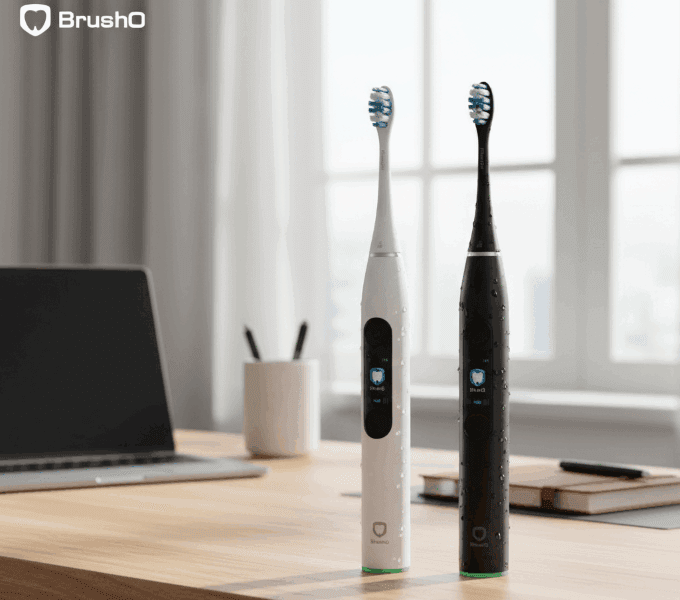
AI-guided brushing platforms such as BrushO support bacterial reduction by identifying missed zones, regulating pressure, and reinforcing coverage consistency. Data-driven brushing feedback transforms oral hygiene from habit-based behavior into measurable microbial management, improving plaque disruption reliability over time.
Proper brushing remains one of the most powerful and accessible defenses against harmful oral bacteria. By disrupting plaque formation, supporting enamel resilience, and promoting microbial balance, effective brushing protects both oral and systemic health. Combining evidence-based techniques with guided hygiene tools ensures bacterial control remains consistent, comprehensive, and sustainable across long-term wellness routines.
Feb 23
Feb 20
Jul 30
Jul 30
Jul 29
Jul 22
Jul 19
Jul 17

A lateral cephalometric radiograph is only as useful as the analysis applied to it. The same tracing can be read as a skeletal discrepancy by one method and as a dental compensation by another, and the conclusions reached about extraction, surgery or growth modification may differ accordingly. Un...

Premature fusion of the cranial sutures produces a group of conditions in which the skull, the midface and the occlusion develop abnormally, and the dental team is central to long-term care. Apert and Crouzon syndromes are the best known craniosynostosis syndromes with major oral consequences. Bo...

A dense opacity on a panoramic radiograph above the molar roots or within the nasal cavity is a familiar finding that is often dismissed as an incidental artifact. When that opacity proves to be an antrolith or a rhinolith, the discovery explains years of unilateral obstruction, discharge and fac...

A firm, board-like swelling at the angle of the jaw that slowly breaks down into multiple draining sinuses should raise suspicion of cervicofacial actinomycosis, a chronic bacterial infection that is easily mistaken for a tumor. Nocardiosis, caused by related filamentous organisms, can produce a ...

Enlargement of the jaw, widening spaces between the teeth and a slowly changing facial profile may bring a patient to the dental office years before the underlying endocrine disease is diagnosed. Acromegaly and Cushing syndrome both leave recognizable signatures in the craniofacial region, and th...

A slowly growing, painless lump at the angle of the jaw in a middle-aged or older man who smokes is the classic presentation of a Warthin tumor. Formally called papillary cystadenoma lymphomatosum, this benign neoplasm is one of the most common tumors of the parotid gland and the second most comm...

Painful ulcerated gums that bleed easily, a foul metallic taste and severe mouth odor can signal Vincent stomatitis, an acute fusospirochetal necrotizing infection of the gingival and oral tissues. First described during wartime and historically called trench mouth, the disease still occurs today...

A painful swelling under the jaw that appears at mealtimes and subsides slowly afterward is the classic symptom of a salivary stone blocking a duct. Sialolithiasis, the formation of calcified stones in the salivary glands, and sialodochitis, the inflammation of the ducts that follows, are common ...

Paget disease of bone, also called osteitis deformans, is a chronic disorder of bone remodeling that can silently affect the skull and the jaws. In the maxillofacial region it produces progressive bony enlargement, distinctive cotton-wool radiographs and dental complications such as hypercementos...

The sudden appearance of widespread, painful oral erosions with crusted lips can be alarming, and it may represent either erythema multiforme or a drug-induced severe reaction such as Stevens-Johnson syndrome. Both belong to a spectrum of immune-mediated mucocutaneous disorders, and both can begi...

Die BrushO KI-Elektrozahnbürste bietet Echtzeit-Anleitung, Druckfeedback, Abdeckungsverfolgung und Fortschrittsberichte in der App für eine sauberere tägliche Routine.
Die BrushO KI-Elektrozahnbürste bietet Echtzeit-Anleitung, Druckfeedback, Abdeckungsverfolgung und Fortschrittsberichte in der App für eine sauberere tägliche Routine.


Address: RM 1427, 14/F RADIO CITY 505, HENNESSY RD CAUSEWAY BAY, HONG KONG
Code: 000000
Phone: +852-53758652
Email: customerservice@brusho.com