
Jul 30
Jul 30
Jul 29
Jul 22
Jul 19
Jul 17
The rise of AI-powered toothbrushes is not just reshaping how people brush—it’s revolutionizing oral health education. With real-time feedback, performance scoring, behavioral data, and gamified learning, AI toothbrushes like BrushO are closing the knowledge gap between dentists and users. This article explores how AI tools support daily hygiene education, improve compliance, and empower users of all ages to brush better, smarter, and longer.
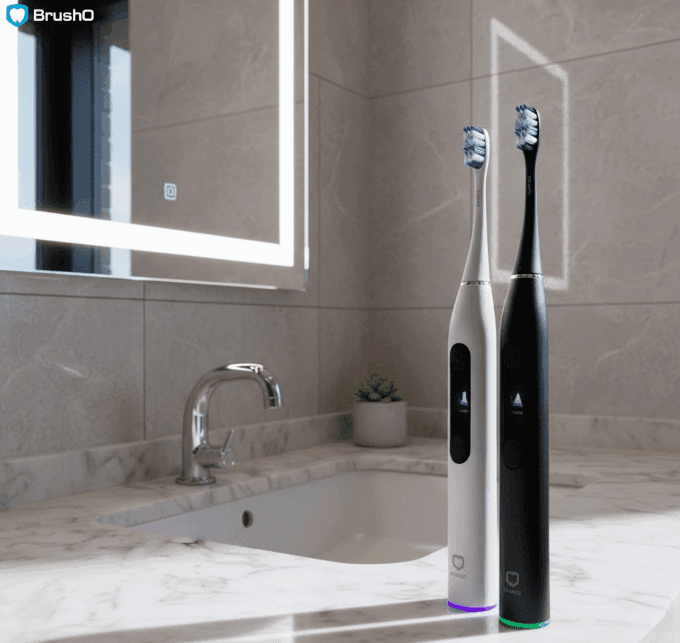
For decades, oral hygiene education has relied on dentist instructions, school programs, or generic brochures. While well-intentioned, these methods fall short in daily application:
• Users forget or misapply techniques taught by dentists
• There’s little feedback after brushing
• Children and adults lack motivation to maintain consistency
• Education is generalized, not personalized
The result? Poor brushing habits, missed areas, excessive pressure, and long-term damage like enamel wear or gum recession—all despite “knowing better.”
AI toothbrushes like BrushO fundamentally transform oral health education from occasional advice into daily microlearning moments. Here’s how:
AI sensors track:
• Brushing duration
• Coverage (6 zones, 16 surfaces)
• Pressure applied
• Movement patterns
With every session, users receive feedback like:
• “You missed upper-right molars”
• “Pressure too hard on lower incisors”
• “Incomplete cleaning in Zone 3”
This instant correction reinforces proper technique—far more effectively than a biannual lecture.
BrushO syncs brushing data to a mobile app, turning each session into a datapoint. Over time, users see trends:
• Which zones are frequently missed
• Average brushing time
• Score improvements
• Comparison to age group averages
This quantified self-awareness helps users:
• Set brushing goals
• Identify problem areas
• Adjust habits proactively
It’s oral health education made visual and personalized.
Children learn best through interactive reinforcement, and AI brushes make hygiene fun:
• BrushO’s reward system gives points for good brushing
• Kids unlock badges for streaks and improvements
• Parents monitor their child’s habits through the app
Instead of nagging, education becomes a game—reinforcing healthy routines early in life.
AI toothbrushes don’t just educate; they empower. Here’s what sets them apart from traditional methods:
| Feature | Traditional Education | AI-Powered Brush (e.g., BrushO) |
| Frequency | 1–2 times/year | Daily, every brushing session |
| Personalization | Generic instructions | Data-driven, user-specific |
| Feedback Speed | Delayed or absent | Real-time via app |
| Retention | Low recall | Habit-forming microinteractions |
| Engagement | Passive | Interactive, gamified, motivational |
BrushO isn’t just a toothbrush—it’s a smart oral hygiene coach:
🦷 FSB Technology: Fully Smart Brushing with 6-zone, 16-surface dynamic analysis
📲 App-Based Reports: Pressure data, brushing coverage maps, habit scores
🎯 Rewards System: Points for good habits redeemable for free brush heads
👨👩👧👦 Child + Parent Modes: Educates families with tailored features
💡 Personal Insights: Understand your brushing gaps, not generic advice
Whether you’re a dental enthusiast or just starting your hygiene journey, BrushO bridges the gap between knowing and doing.
Just like fitness trackers revolutionized exercise awareness, AI toothbrushes are transforming oral hygiene from routine to intelligent care. With daily feedback, rewards, and progress monitoring, these tools don’t replace dentists—but they make their guidance stick. And in a world where cavities, gum disease, and enamel erosion are still common despite awareness, AI oral care is no longer a luxury—it’s the next step in preventive health.
Jul 30
Jul 30
Jul 29
Jul 22
Jul 19
Jul 17

PPM describes concentration, not the amount to put on the brush. Learn how to read fluoride information while keeping regional guidance and individual advice in view.

That forgotten tube deserves a label check. Learn what toothpaste shelf-life information refers to, why storage matters, and how to avoid guessing from appearance.

Clear gel or opaque paste? Texture is only one feature. Learn which label details matter when comparing toothpastes for your brushing routine.

Minty toothpaste can create a cooling sensation without being chilled. Explore what menthol does and why a fresh feeling is different from complete cleaning.

The sound of a powered brush comes with its moving mechanism. Learn how normal operating noise differs from alerts or an unexpected change that needs checking.

Toothpaste on the mirror? Check when you switch the brush on and off, how you position it, and how to pause without rushing your routine.

A whitening brushing program and a bleaching treatment are different things. Learn how to interpret mode names, surface-stain claims, and realistic expectations.

A tiny cluster of bristles serves a different purpose from a full-size head. Learn where a single-tuft brush may fit into an individually recommended cleaning routine.

Angled tufts, different bristle heights, and the angle of your hand are separate design questions. Learn how to read a toothbrush-head description clearly.

A larger head is not an automatic shortcut to cleaner teeth. Learn how head size affects access, positioning, and the fit of your daily brushing routine.

Die BrushO KI-Elektrozahnbürste bietet Echtzeit-Anleitung, Druckfeedback, Abdeckungsverfolgung und Fortschrittsberichte in der App für eine sauberere tägliche Routine.
Die BrushO KI-Elektrozahnbürste bietet Echtzeit-Anleitung, Druckfeedback, Abdeckungsverfolgung und Fortschrittsberichte in der App für eine sauberere tägliche Routine.


Address: RM 1427, 14/F RADIO CITY 505, HENNESSY RD CAUSEWAY BAY, HONG KONG
Code: 000000
Phone: +852-53758652
Email: customerservice@brusho.com