
Jul 30
Jul 30
Jul 29
Jul 22
Jul 19
Jul 17
Do you really need to remove wisdom teeth? It’s one of the most common dental questions.
Wisdom teeth, or third molars, typically erupt between ages 17 and 25. For some, they grow in without problems. For others, they cause pain, crowding, or infections. In this article, we’ll explain when wisdom teeth must be removed, when they can stay, and how the BrushO Smart Electric Toothbrush—with multiple modes, premium brush heads, and real-time pressure monitoring—helps you keep your oral hygiene on track even around these hard-to-reach teeth.
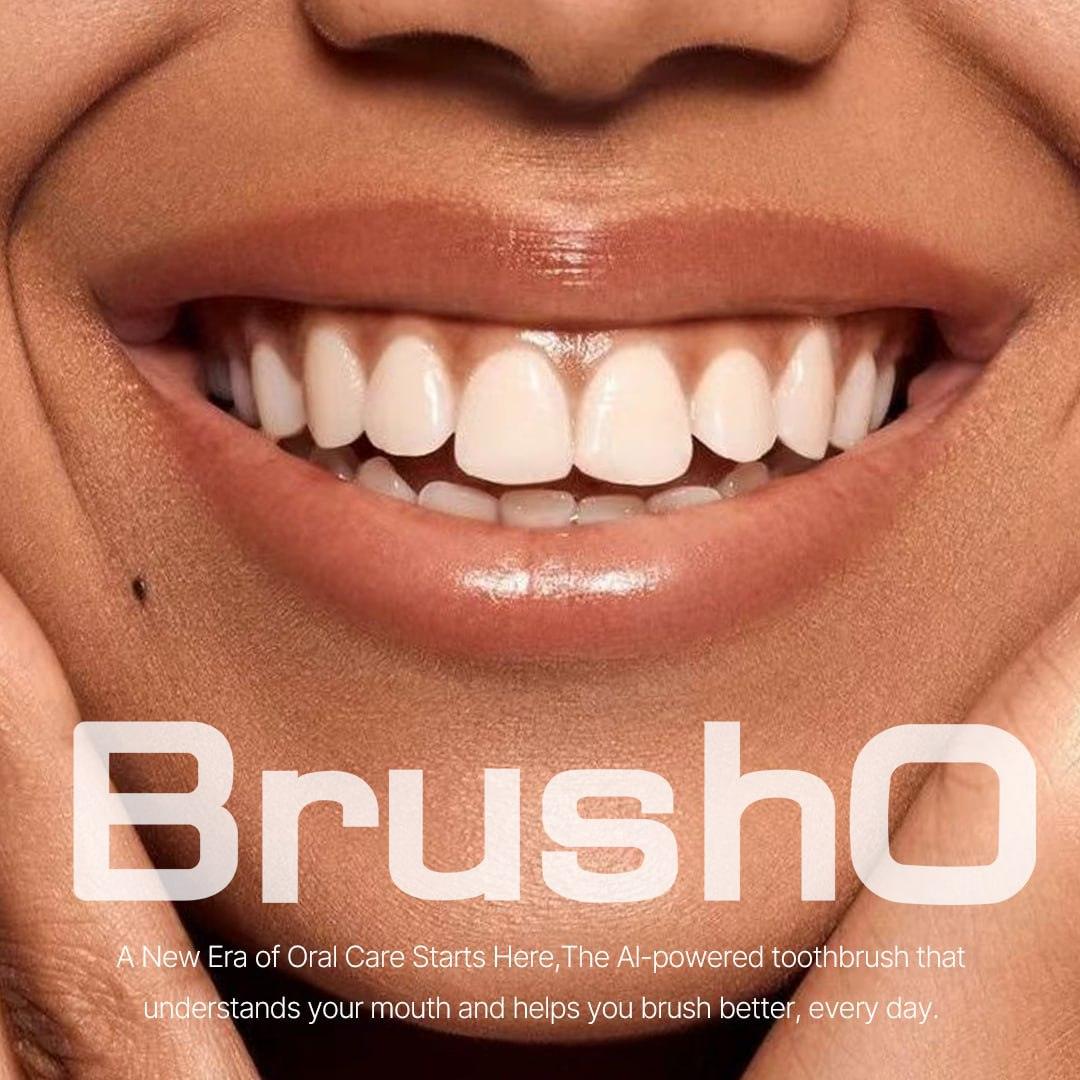
Wisdom teeth are the third set of molars at the very back of your mouth. They were useful for our ancestors who ate coarse, fibrous diets, but in modern times, smaller jaws often mean there’s less room for them.
Dentists usually recommend extraction in these cases:
👉 In these scenarios, keeping wisdom teeth could cause serious oral health issues.
If your wisdom teeth are:
Then removal may not be necessary. However, consistent dental checkups and effective brushing are essential for maintaining their health.
Even if wisdom teeth don’t cause immediate problems, they’re notoriously hard to brush. Their position makes them prone to:
This is why dentists recommend better brushing tools to manage wisdom teeth hygiene.
The BrushO Smart Electric Toothbrush is designed with features that directly address these challenges:
Eight preset modes, including Gum Care for sensitive gums and Deep Clean for harder-to-reach areas—perfect for the back molars.
High-quality bristles engineered to clean effectively without damaging enamel or gums. Each box comes with 4 replaceable heads, ensuring fresh brushes every 3 months.
Built-in pressure sensors and AI monitoring prevent you from pressing too hard, protecting gums that may already be tender from erupting wisdom teeth.
👉 These features mean BrushO doesn’t just clean, it helps you care for wisdom teeth more safely and effectively.
Q1: Do all wisdom teeth need to be removed?
No. Only if they’re impacted, painful, or causing dental issues.
Q2: How do I know if my wisdom teeth are healthy?
A dentist can check alignment and confirm whether they’re easy to clean.
Q3: Can brushing help avoid wisdom teeth removal?
Good hygiene helps, especially with a smart toothbrush like BrushO, but some structural issues may still require removal.
Q4: How does BrushO make a difference?
Its multi-mode cleaning, premium brush heads, and pressure sensor specifically help with the unique challenges of cleaning wisdom teeth.
So, do you really need to remove wisdom teeth? The answer depends on your situation. If they’re healthy, aligned, and easy to clean, you may keep them. But if they cause pain, infections, or crowding, removal is often the safer choice. Regardless, the key is proper oral care, and with BrushO’s multiple cleaning modes, premium brush heads, and real-time pressure monitoring, you can keep your wisdom teeth cleaner and healthier for longer.
Jul 30
Jul 30
Jul 29
Jul 22
Jul 19
Jul 17

PPM describes concentration, not the amount to put on the brush. Learn how to read fluoride information while keeping regional guidance and individual advice in view.

That forgotten tube deserves a label check. Learn what toothpaste shelf-life information refers to, why storage matters, and how to avoid guessing from appearance.

Clear gel or opaque paste? Texture is only one feature. Learn which label details matter when comparing toothpastes for your brushing routine.

Minty toothpaste can create a cooling sensation without being chilled. Explore what menthol does and why a fresh feeling is different from complete cleaning.

The sound of a powered brush comes with its moving mechanism. Learn how normal operating noise differs from alerts or an unexpected change that needs checking.

Toothpaste on the mirror? Check when you switch the brush on and off, how you position it, and how to pause without rushing your routine.

A whitening brushing program and a bleaching treatment are different things. Learn how to interpret mode names, surface-stain claims, and realistic expectations.

A tiny cluster of bristles serves a different purpose from a full-size head. Learn where a single-tuft brush may fit into an individually recommended cleaning routine.

Angled tufts, different bristle heights, and the angle of your hand are separate design questions. Learn how to read a toothbrush-head description clearly.

A larger head is not an automatic shortcut to cleaner teeth. Learn how head size affects access, positioning, and the fit of your daily brushing routine.

Die BrushO KI-Elektrozahnbürste bietet Echtzeit-Anleitung, Druckfeedback, Abdeckungsverfolgung und Fortschrittsberichte in der App für eine sauberere tägliche Routine.
Die BrushO KI-Elektrozahnbürste bietet Echtzeit-Anleitung, Druckfeedback, Abdeckungsverfolgung und Fortschrittsberichte in der App für eine sauberere tägliche Routine.


Address: RM 1427, 14/F RADIO CITY 505, HENNESSY RD CAUSEWAY BAY, HONG KONG
Code: 000000
Phone: +852-53758652
Email: customerservice@brusho.com