
Jul 30
Jul 30
Jul 29
Jul 22
Jul 19
Jul 17
Dental anxiety is one of the biggest reasons people avoid dental visits. Research shows that up to 36% of adults experience some level of fear, and nearly 12% have a severe dental phobia that keeps them away from treatment entirely. This leads to a dangerous cycle: fear → avoidance → worse oral health → greater fear. In this article, we’ll explore the causes of dental anxiety, the risks of skipping appointments, coping strategies, and why smart tools like BrushO FSB300 can transform daily oral care into a calmer and more confident experience.
Dental anxiety is more than a little nervousness; it’s an intense stress response connected to dental treatment.
👉 The cycle of fear and avoidance is why dental anxiety is such a serious public health issue.
Fear of Pain
- Memories of painful treatments stick, even though modern dentistry uses anesthesia effectively.
Cost Concerns
- Without dental coverage, costs can be overwhelming—leading patients to delay until it’s too late.
Embarrassment
- Shame about tooth decay, gum disease, or bad breath keeps many away from the very care they need.
Sensory Overload
- Bright lights, antiseptic smells, and the sound of drills can feel overwhelming.
Loss of Control
- Being unable to talk or move while a dentist works creates feelings of vulnerability.
Children: Fear injections and strange equipment; early bad experiences often last into adulthood.
Young Professionals: Delay visits due to cost or busy schedules.
Middle-Aged Adults: Avoid out of embarrassment or fear of bad news.
Seniors: More prone to loss of control, fears and worry about discomfort.
👉 Each group experiences dental anxiety differently—but all face serious risks when avoiding care.
Untreated cavities → infections, abscesses, or extractions.
Gum disease → higher risk of heart disease, stroke, and diabetes.
Tooth loss → affects chewing, speech, and confidence.
Higher costs → a $100 filling becomes a $1,000 root canal when delayed.
Skipping visits is not just about your smile—it’s about long-term health.
Gradual Exposure
- Start with cleanings before tackling complex treatments to rebuild comfort.
Open Communication
- Tell your dentist about fears. Many now use “tell-show-do” methods or hand signals to give patients more control.
Sedation Options
- Nitrous oxide or light sedation can help highly anxious patients relax.
Relaxation Techniques
- Deep breathing, meditation, or music can lower stress before and during visits.
Digital & Preventive Care
- Teledentistry and smart home care reduce the need for invasive treatments, cutting down on visits that trigger fear.
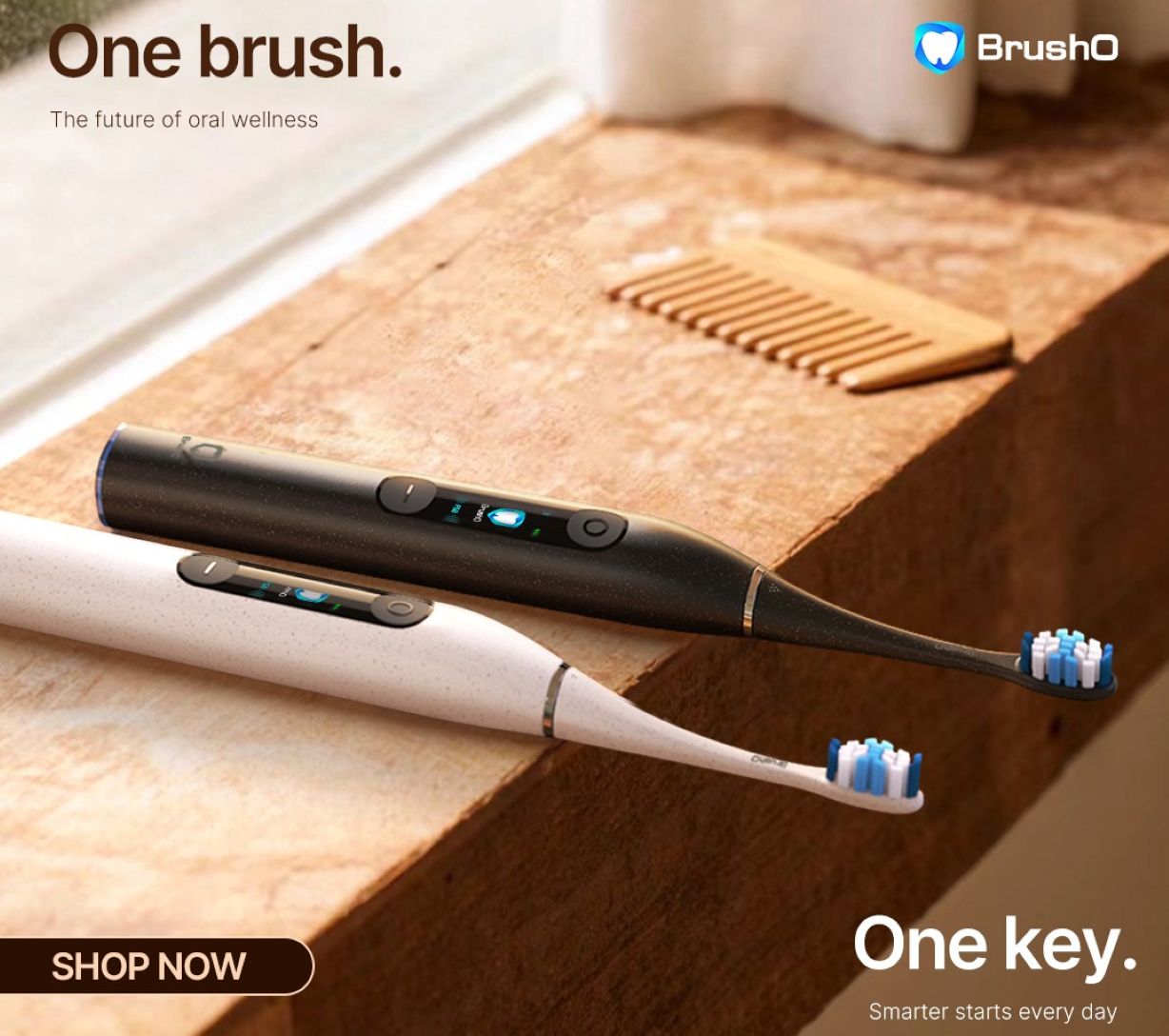
Dental anxiety often stems from uncertainty and lack of control. BrushO FSB300 is engineered to restore both:
Delivers one of the highest speeds in the industry, but with smooth, stable vibrations and no messy splatter. This creates a calm, predictable brushing routine that feels safe and controlled.
Many anxious patients fear pain. BrushO’s gentle modes protect enamel and gums, preventing discomfort from overbrushing.
The BrushO app shows exactly where you brushed, what you missed, and how to improve—turning uncertainty into confidence.
Anxiety fades when you see measurable results. BrushO tracks scores and progress over time, helping users feel in control of their oral health.
Parents can monitor kids’ brushing habits, easing worries about their dental future and reducing the likelihood of emergency visits.
👉 With BrushO, prevention becomes proactive, predictable, and stress-free—helping anxious patients avoid the very situations they fear most.
Q1: How common is dental anxiety?
Up to one-third of adults report some fear, with about 12% experiencing a severe phobia.
Q2: Can avoiding the dentist harm your health?
Yes, untreated issues raise risks of gum disease, infections, and systemic illnesses.
Q3: How can I reduce dental anxiety at home?
Strong preventive care with smart tools like BrushO lowers the chance of needing stressful treatments.
Dental anxiety is widespread, but avoiding the dentist only makes problems worse. The good news is that you can break the cycle. By understanding triggers, practicing coping strategies, and using smart preventive tools like BrushO FSB300, you gain control over your daily oral health. That means fewer emergencies, lower costs, and less stress when it’s time to see the dentist.
Jul 30
Jul 30
Jul 29
Jul 22
Jul 19
Jul 17

Saliva has moved from the byproduct of the examination to the fluid that the modern practice can read, and the diagnostics that the salivary sample supports now reach from the caries risk to the periodontal inflammation and beyond. The fluid is easy to collect, safe to handle, and rich in the pro...

The narrow alveolar ridge is the common obstacle that the implant plan meets in the healed posterior site, and the ridge split technique is the approach that widens the crest without the block graft and the second surgical site. The technique uses the viscoelastic property of the bone, and the co...

The resin-bonded bridge is the conservative alternative to the conventional fixed prosthesis, and its place in the modern practice has widened as the adhesive dentistry matured. The prosthesis replaces the missing tooth with the minimal removal of the enamel from the abutment, and the retention i...

The systemic antibiotic has a defined and a narrow place in the periodontal therapy, and the clinician who respects its limits uses it well while the clinician who reaches for it routinely erodes both the result and the antibiotic stewardship. The mechanical debridement remains the foundation of ...

The bond failure of the bracket is the interruption that the fixed orthodontic treatment can tolerate in the small number but not in the pattern, and the clinician who understands the cause reduces the frequency that the repeated rebonding records. The failure that recurs on the single tooth poin...

The prescription pad is one of the most common sources of the oral complaint that the patient brings to the dental office, and the clinician who does not think of the medication may spend the appointment treating the symptom that the drug created. The list of the agents that affect the mouth grow...

The intraoral scanner has moved from the novelty of the early adopters to the standard equipment of the modern prosthodontic practice, and the comparison with the conventional impression has become a daily question rather than an academic one. The scanner captures the surface of the teeth and the...

The endodontic retreatment is the second chance that the tooth receives when the initial treatment fails to resolve the infection or the symptoms, and the procedure is both more demanding and more rewarding than the primary treatment. The clinician who retreats the tooth encounters the filling ma...

The access preparation is the gateway of every root canal treatment, and it is the step at which the outcome of the case is most often decided, for good or for ill. A well-designed access straightens the canal system, removes the coronal obstruction, and allows the instruments and the irrigants t...

The restoration that the laboratory returns is only as good as the information that the clinician sends, and the communication between the dentist and the technician is the step that determines whether the crown, the veneer, or the bridge meets the expectation of the patient. The shade, the form,...

Die BrushO KI-Elektrozahnbürste bietet Echtzeit-Anleitung, Druckfeedback, Abdeckungsverfolgung und Fortschrittsberichte in der App für eine sauberere tägliche Routine.
Die BrushO KI-Elektrozahnbürste bietet Echtzeit-Anleitung, Druckfeedback, Abdeckungsverfolgung und Fortschrittsberichte in der App für eine sauberere tägliche Routine.


Address: RM 1427, 14/F RADIO CITY 505, HENNESSY RD CAUSEWAY BAY, HONG KONG
Code: 000000
Phone: +852-53758652
Email: customerservice@brusho.com