
Jul 30
Jul 30
Jul 29
Jul 22
Jul 19
Jul 17
When shopping for an electric toothbrush, the term “waterproof” is often thrown around. But what does it really mean? Can you safely take your toothbrush into the shower, rinse it under running water, or toss it into your gym bag without worry? The truth is, not all waterproof toothbrushes are built the same. Some can handle a splash; others are designed for full submersion. If you’re investing in your daily oral health, understanding toothbrush waterproof ratings, such as IPX7 can help you make a smarter choice—especially when performance and safety matter.
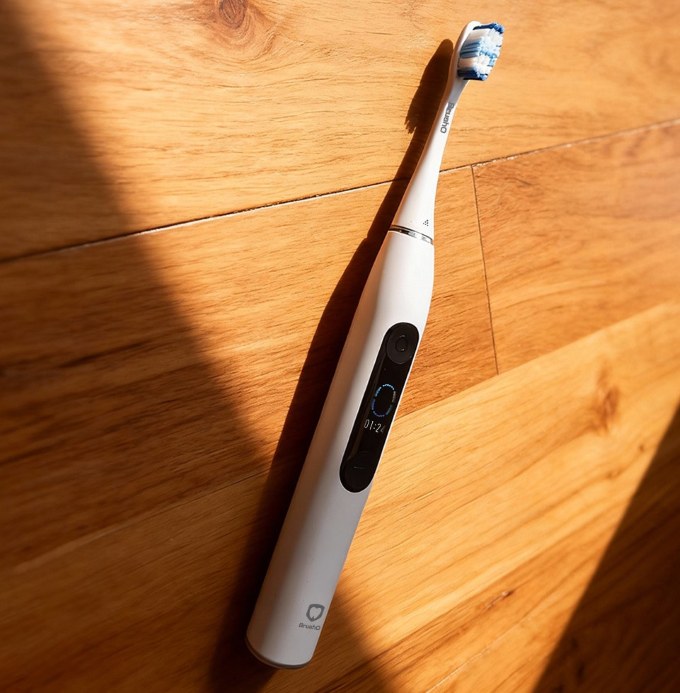
Waterproof claims on electric toothbrushes are typically backed by an IP (Ingress Protection) rating, which tells you how resistant the device is to water. Here’s a quick breakdown:
| IP Rating | Protection Level | Meaning |
| IPX4 | Splash-proof | Can withstand water splashes from any direction. Not safe for submersion. |
| IPX6 | Jet-proof | Resistant to high-pressure water jets. Shower-safe. |
| IPX7 | Waterproof | Can be submerged up to 1 meter for 30 minutes. Ideal for wet environments. |
For a toothbrush you’ll use in humid bathrooms or the shower, IPX7 is the gold standard. It means the device is tightly sealed and safe from water damage under real-life conditions.
Water exposure can damage internal motors and batteries in poorly sealed toothbrushes. A waterproof build extends the lifespan of your device and ensures consistent performance.
Water and electricity don’t mix well. Certified waterproofing protects you from short circuits or malfunctions during wet use, especially in showers or sinks.
A waterproof toothbrush can be thoroughly rinsed under running water. This keeps it cleaner, reduces bacteria buildup, and improves oral hygiene overall.
Whether you’re packing for a trip or using your toothbrush at the gym, waterproofing gives you peace of mind in unpredictable environments. No more worrying about accidental spills or storage in damp toiletry bags.
BrushO is designed for real-life usage—humid mornings, quick rinses, even post-workout showers. Here’s how we ensure our toothbrush is truly waterproof:
• IPX7 Rating Certified: BrushO is independently tested for water resistance, allowing full immersion up to 1 meter.
• Sealed FSB Motor System: Our proprietary motor design ensures no moisture leaks into the core—boosting both safety and lifespan.
• No Charging Port Hassle: With wireless Qi charging, BrushO eliminates exposed ports, a common entry point for water.
• Ergonomic Waterproof Grip: Designed to remain stable in wet hands, improving safety and control.
✅ Check for IPX7 or higher rating
✅ Prefer portless or wireless charging
✅ Look for anti-slip grip materials
✅ Ensure manufacturer certification, not just marketing claims
✅ Read real user reviews about durability in wet conditions
A truly waterproof toothbrush is more than just a convenience—it’s a key feature for long-term hygiene, safety, and confidence in your oral care routine. Whether you’re multitasking in the shower or rinsing off after travel, the right waterproof rating protects your investment.
With BrushO, you’re not only getting IPX7 waterproof security, but also next-gen brushing technology designed for modern lifestyles. Don’t settle for splash-proof. Choose smart, choose safe, choose BrushO.
BrushO is an AI-powered smart toothbrush brand dedicated to redefining oral care. With features like real-time feedback, waterproof durability, and the Brush & Earn rewards program, BrushO empowers you to build smarter, healthier brushing habits that last.
Jul 30
Jul 30
Jul 29
Jul 22
Jul 19
Jul 17

Hyperdontia is the presence of one or more teeth in excess of the normal dental formula, and the resulting teeth are described as supernumerary. The condition is common enough to appear in routine practice but variable enough in presentation that the decision to intervene is rarely straightforwar...

Few patients complete orthodontic treatment without asking whether their teeth will move back. The honest answer is that they will, to some degree, in the majority of cases. Relapse is not a failure of treatment but a predictable biological response, and understanding why it happens is the basis ...

The mandible is the largest and most frequently fractured bone of the facial skeleton, and its management sits at the interface between trauma surgery and restorative dentistry. Treatment has shifted over four decades from prolonged maxillomandibular fixation towards rigid internal fixation with ...

Chronic liver disease affects hundreds of millions of people worldwide, and its prevalence continues to rise with the epidemic of metabolic liver disease. The liver is central to haemostasis, drug metabolism and immune competence, and its failure therefore alters the risk profile of almost every ...

Excessive gingival display, commonly described as a gummy smile, is one of the most frequent aesthetic concerns presented to dental practitioners. The condition is not a single entity but a clinical presentation that can arise from skeletal, gingival, muscular or dental factors, and the treatment...

Drug-induced gingival overgrowth is a well-recognised adverse effect of several widely prescribed medications, and it remains one of the most common drug-related findings in periodontal practice. The condition produces firm, fibrous enlargement of the gingiva that can interfere with speech, masti...

Denture stomatitis is an inflammatory condition of the denture-bearing mucosa that affects a large proportion of removable prosthesis wearers, yet it is frequently dismissed as a cosmetic annoyance. The condition is driven by a Candida biofilm on the fitting surface of the prosthesis, and it is m...

Chronic kidney disease affects an estimated 850 million people worldwide, and the number of patients surviving on dialysis or with a renal transplant continues to rise. These patients carry an oral disease burden that is substantially higher than that of the general population, and their medical ...

Angular cheilitis is an inflammatory lesion of the labial commissures that presents with erythema, fissuring and crusting at the corners of the mouth. It is one of the most common conditions encountered in general dental practice, yet it is frequently treated as a simple fungal infection and allo...

Adverse reactions to dental materials are uncommon but they are not rare, and they are frequently misdiagnosed because the oral mucosa responds to allergens in a limited number of ways. A burning sensation, a persistent ulcer or an unexplained area of erythema may all represent a hypersensitivity...

BrushO AI ইলেকট্রিক টুথব্রাশ রিয়েল-টাইম ব্রাশিং গাইড, চাপের ফিডব্যাক, কভারেজ ট্র্যাকিং এবং অ্যাপ-ভিত্তিক অগ্রগতি রিপোর্ট দেয়, যাতে দৈনন্দিন রুটিন আরও পরিষ্কার ও সহজ হয়।
BrushO AI ইলেকট্রিক টুথব্রাশ রিয়েল-টাইম ব্রাশিং গাইড, চাপের ফিডব্যাক, কভারেজ ট্র্যাকিং এবং অ্যাপ-ভিত্তিক অগ্রগতি রিপোর্ট দেয়, যাতে দৈনন্দিন রুটিন আরও পরিষ্কার ও সহজ হয়।


Address: RM 1427, 14/F RADIO CITY 505, HENNESSY RD CAUSEWAY BAY, HONG KONG
Code: 000000
Phone: +852-53758652
Email: customerservice@brusho.com