
Jul 30
Jul 30
Jul 29
Jul 22
Jul 19
Jul 17
Many people brush their teeth every day without realizing their technique may be damaging their gums. Overbrushing, incorrect angles, and skipping the gumline can lead to gum recession, bleeding, and long-term oral health issues. In this article, we’ll uncover the subtle signs that your brushing habits may be causing harm—and how to fix them. Discover how BrushO’s smart technology, including pressure sensors, AI zone tracking, and personalized brushing feedback, can help protect your gums and transform your brushing into a safe, effective routine.
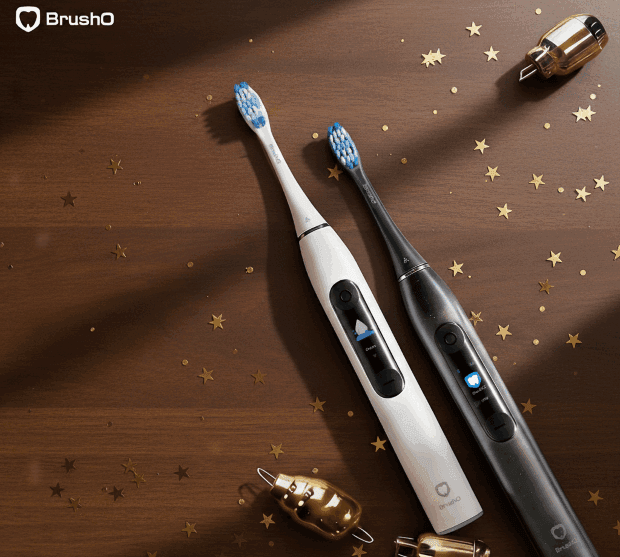
Brushing your teeth regularly is essential—but how you brush matters just as much as how often. Poor brushing technique is one of the most overlooked causes of gum damage, especially among people who believe they’re doing everything right. The signs of gum harm can be subtle at first, but over time, they can lead to serious dental issues, including gum recession and tooth sensitivity. Let’s explore the warning signs your brushing technique may be harming your gums—and how smart brushing with BrushO can prevent it.
Your gums are the foundation of your smile. Healthy gums:
• Provide structural support to your teeth
• Act as a barrier against bacteria
• Prevent painful conditions like periodontitis
But aggressive or careless brushing can damage this sensitive tissue over time, causing:
• Receding gums
• Bleeding during brushing
• Exposed tooth roots
• Increased risk of infection and decay
While occasional bleeding may result from flossing or switching toothbrushes, frequent bleeding is a red flag. It may signal:
• Brushing with too much pressure
• Inflammation due to harsh technique
• Early-stage gum disease
When gums start to pull back from your teeth, exposing more of the root, that’s recession. It can result from:
• Forceful brushing
• Using hard-bristled brushes
• Skipping key gumline areas
If you start to feel discomfort when drinking hot or cold beverages, your brushing habits may be exposing sensitive areas by wearing away enamel or gums.
Frayed or flattened bristles are a strong indicator of overbrushing. A healthy brushing technique should preserve your brush for 3 months or more.
Traditional toothbrushes give you no feedback. Smart toothbrushes like BrushO take the guesswork out of brushing and empower you to build healthier habits.
BrushO’s built-in pressure sensors alert you the moment you press too hard—helping you immediately adjust and avoid gum trauma.
Many users neglect the gumline, especially behind the molars. BrushO uses 6-zone × 16-surface AI mapping to ensure full coverage—including often-missed gum areas.
BrushO’s app provides daily brushing scores and highlights areas of concern (excessive pressure, missed gumline spots), encouraging improvement over time.
BrushO offers modes like Gum Care and Sensitive, designed to clean gently around inflamed or delicate gums—ideal for those with early gum recession.
• Use a soft-bristled brush head
• Let the bristles do the work—don’t scrub
• Brush at a 45-degree angle toward the gumline
• Avoid rushing—brush at least 2 minutes, twice daily
• Track your brushing with a smart toothbrush for real-time guidance
Changing habits can be hard—but BrushO makes it rewarding. With its “Brush & Earn” system, you earn points for healthy brushing behaviors, redeemable for perks like free brush heads. This motivates users to brush more consistently—and more gently—especially those prone to gum issues.
Your gums are too important to neglect or accidentally harm. If you’ve noticed bleeding, recession, or sensitivity, it’s time to reassess your brushing. Smart toothbrushes like BrushO provide real-time feedback and tailored support to help protect your gums every single day. Brushing shouldn’t just clean—it should care.
Jan 30
Jan 29
Jul 30
Jul 30
Jul 29
Jul 22
Jul 19
Jul 17

PPM describes concentration, not the amount to put on the brush. Learn how to read fluoride information while keeping regional guidance and individual advice in view.

That forgotten tube deserves a label check. Learn what toothpaste shelf-life information refers to, why storage matters, and how to avoid guessing from appearance.

Clear gel or opaque paste? Texture is only one feature. Learn which label details matter when comparing toothpastes for your brushing routine.

Minty toothpaste can create a cooling sensation without being chilled. Explore what menthol does and why a fresh feeling is different from complete cleaning.

The sound of a powered brush comes with its moving mechanism. Learn how normal operating noise differs from alerts or an unexpected change that needs checking.

Toothpaste on the mirror? Check when you switch the brush on and off, how you position it, and how to pause without rushing your routine.

A whitening brushing program and a bleaching treatment are different things. Learn how to interpret mode names, surface-stain claims, and realistic expectations.

A tiny cluster of bristles serves a different purpose from a full-size head. Learn where a single-tuft brush may fit into an individually recommended cleaning routine.

Angled tufts, different bristle heights, and the angle of your hand are separate design questions. Learn how to read a toothbrush-head description clearly.

A larger head is not an automatic shortcut to cleaner teeth. Learn how head size affects access, positioning, and the fit of your daily brushing routine.

BrushO AI ইলেকট্রিক টুথব্রাশ রিয়েল-টাইম ব্রাশিং গাইড, চাপের ফিডব্যাক, কভারেজ ট্র্যাকিং এবং অ্যাপ-ভিত্তিক অগ্রগতি রিপোর্ট দেয়, যাতে দৈনন্দিন রুটিন আরও পরিষ্কার ও সহজ হয়।
BrushO AI ইলেকট্রিক টুথব্রাশ রিয়েল-টাইম ব্রাশিং গাইড, চাপের ফিডব্যাক, কভারেজ ট্র্যাকিং এবং অ্যাপ-ভিত্তিক অগ্রগতি রিপোর্ট দেয়, যাতে দৈনন্দিন রুটিন আরও পরিষ্কার ও সহজ হয়।


Address: RM 1427, 14/F RADIO CITY 505, HENNESSY RD CAUSEWAY BAY, HONG KONG
Code: 000000
Phone: +852-53758652
Email: customerservice@brusho.com