
Jul 30
Jul 30
Jul 29
Jul 22
Jul 19
Jul 17
Quiet electric toothbrushes are more than a luxury—they’re about comfort and consistency. While many electric toothbrushes deliver strong cleaning power, some create loud buzzing or harsh vibrations that make brushing uncomfortable. In this article, we’ll explain how noise and vibration affect your brushing experience, what makes a toothbrush truly “quiet,” and why the BrushO Smart Electric Toothbrush, operating at under 55 decibels, offers the perfect balance of performance and peace.
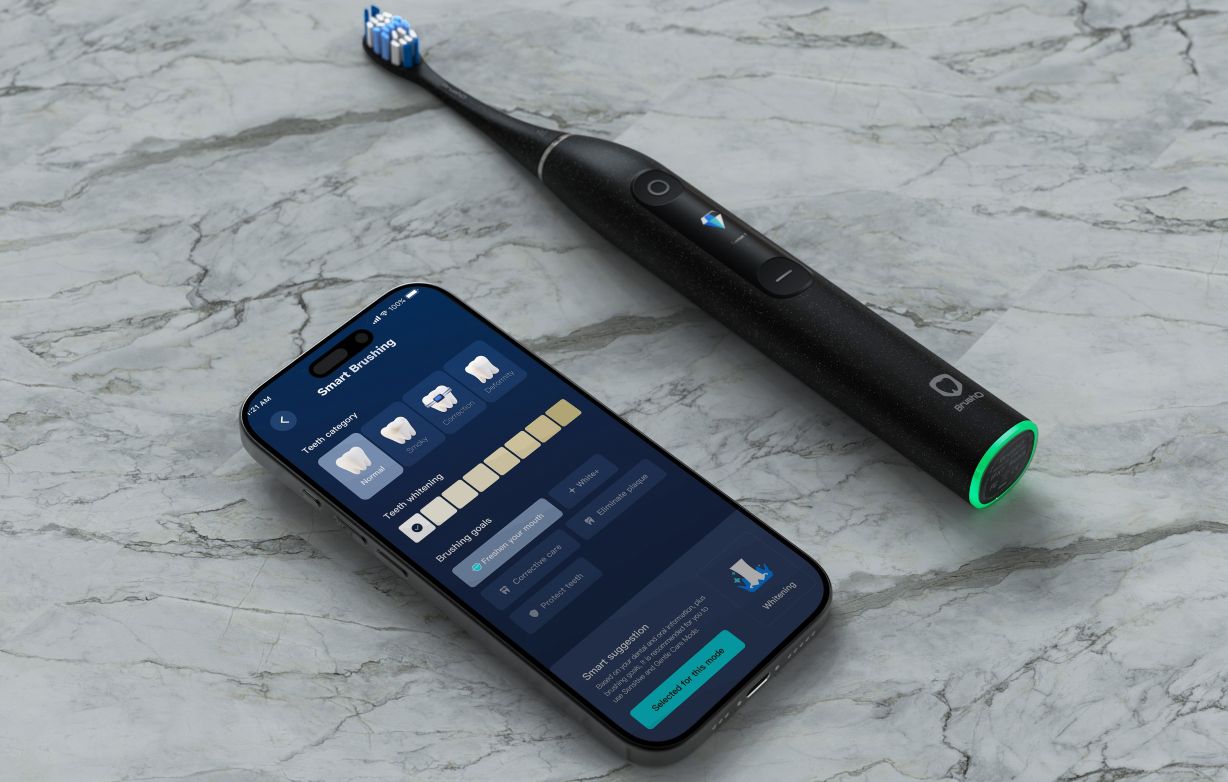
Noise levels may not seem important at first, but they can affect how—and how often—you brush:
👉 The ideal toothbrush should be powerful enough to clean thoroughly, but quiet enough to maintain a pleasant routine.
Electric toothbrushes use either sonic vibrations or oscillating rotations to clean. While effective, excessive vibration can cause:
A well-engineered toothbrush balances vibration frequency for effective plaque removal without sacrificing comfort.
Noise levels are usually measured in decibels (dB):
👉 A quiet toothbrush should operate below 60 dB, ensuring powerful cleaning without disruptive noise.
The BrushO Smart Electric Toothbrush was designed with comfort in mind:
Brushing stays quiet—comparable to a soft conversation—without losing power.
Gentle yet effective, BrushO’s sonic technology cleans deeply while staying comfortable for sensitive gums.
Choose from 8 modes, including Gentle and Gum Care, to adjust vibration intensity to your preference.
Designed to absorb vibration smoothly, reducing harsh feedback in your teeth and gums.
The slim handle and lightweight design reduce hand fatigue during longer brushing sessions.
Switching to a quiet electric toothbrush like BrushO brings:
Q1: Are all electric toothbrushes noisy?
No. High-quality models like BrushO are designed to stay under 55 dB while still being powerful.
Q2: Is vibration harmful to teeth?
Not if balanced correctly. BrushO’s sonic vibration is safe and effective.
Q3: Why choose a quiet toothbrush?
Comfort, less disturbance, and better brushing compliance.
Q4: Does quieter mean weaker cleaning?
Not with BrushO. Its optimized motor delivers strong cleaning without excessive noise.
Quiet electric toothbrushes offer the best of both worlds: effective cleaning and a comfortable brushing experience.
With its low-noise motor under 55 dB, ergonomic design, and customizable modes, the BrushO Smart Electric Toothbrush proves that powerful cleaning doesn’t have to be loud.
Jul 30
Jul 30
Jul 29
Jul 22
Jul 19
Jul 17

PPM describes concentration, not the amount to put on the brush. Learn how to read fluoride information while keeping regional guidance and individual advice in view.

That forgotten tube deserves a label check. Learn what toothpaste shelf-life information refers to, why storage matters, and how to avoid guessing from appearance.

Clear gel or opaque paste? Texture is only one feature. Learn which label details matter when comparing toothpastes for your brushing routine.

Minty toothpaste can create a cooling sensation without being chilled. Explore what menthol does and why a fresh feeling is different from complete cleaning.

The sound of a powered brush comes with its moving mechanism. Learn how normal operating noise differs from alerts or an unexpected change that needs checking.

Toothpaste on the mirror? Check when you switch the brush on and off, how you position it, and how to pause without rushing your routine.

A whitening brushing program and a bleaching treatment are different things. Learn how to interpret mode names, surface-stain claims, and realistic expectations.

A tiny cluster of bristles serves a different purpose from a full-size head. Learn where a single-tuft brush may fit into an individually recommended cleaning routine.

Angled tufts, different bristle heights, and the angle of your hand are separate design questions. Learn how to read a toothbrush-head description clearly.

A larger head is not an automatic shortcut to cleaner teeth. Learn how head size affects access, positioning, and the fit of your daily brushing routine.

BrushO AI ইলেকট্রিক টুথব্রাশ রিয়েল-টাইম ব্রাশিং গাইড, চাপের ফিডব্যাক, কভারেজ ট্র্যাকিং এবং অ্যাপ-ভিত্তিক অগ্রগতি রিপোর্ট দেয়, যাতে দৈনন্দিন রুটিন আরও পরিষ্কার ও সহজ হয়।
BrushO AI ইলেকট্রিক টুথব্রাশ রিয়েল-টাইম ব্রাশিং গাইড, চাপের ফিডব্যাক, কভারেজ ট্র্যাকিং এবং অ্যাপ-ভিত্তিক অগ্রগতি রিপোর্ট দেয়, যাতে দৈনন্দিন রুটিন আরও পরিষ্কার ও সহজ হয়।


Address: RM 1427, 14/F RADIO CITY 505, HENNESSY RD CAUSEWAY BAY, HONG KONG
Code: 000000
Phone: +852-53758652
Email: customerservice@brusho.com