How to Control Brushing Pressure with a Smart Toothbrush
Jan 21

Jan 21
Brushing your teeth too hard can lead to gum recession and enamel damage, which makes controlling brushing pressure essential for long-term oral health. While regular toothbrushes provide no feedback, smart toothbrushes are equipped with advanced pressure sensors to monitor and adjust pressure in real time. These sensors offer guidance that helps users maintain the ideal brushing force for better oral care. In this article, we explore how smart toothbrushes can help control brushing pressure and protect your gums, teeth, and overall oral health. Learn how AI and sensor technology make it easier than ever to brush correctly and avoid harmful habits.


How to Control Brushing Pressure with a Smart Toothbrush

1. The Importance of Brushing Pressure for Oral Health

Brushing pressure plays a significant role in oral health. While brushing too softly can result in ineffective plaque removal, brushing too hard can cause more harm than good. Over time, excessive pressure can lead to gum recession, enamel erosion, and increased tooth sensitivity.
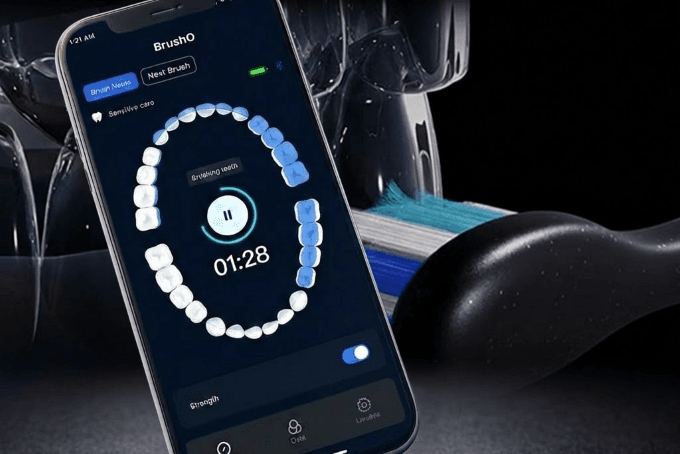
Smart toothbrushes are designed to help users find the right balance. They use advanced pressure sensors to monitor the force applied during brushing, providing real-time feedback to guide users toward a more optimal brushing experience. By alerting the user when pressure is too high, smart toothbrushes can prevent damage and ensure thorough yet gentle cleaning.

2. How Smart Toothbrushes Use Pressure Sensors to Improve Brushing Habits

Pressure sensors in smart toothbrushes detect how hard you’re pressing against your gums and teeth. When the applied pressure exceeds a safe threshold, the toothbrush provides immediate feedback, usually through a combination of visual indicators (like LED lights) or vibrations. This real-time response helps users adjust their brushing technique and reduce excessive force.
These sensors are calibrated to monitor the ideal pressure range for each user, ensuring that brushing is effective but not damaging. The feedback can be continuous or intermittent, depending on the model, but the goal remains the same: promoting healthy, consistent brushing habits.

3. The Benefits of Pressure Control for Gum and Enamel Health

One of the primary benefits of controlling brushing pressure is the protection of your gums and enamel. Excessive brushing force can lead to gum recession, where the gum tissue pulls away from the tooth, exposing the sensitive roots underneath. This can result in increased tooth sensitivity and higher susceptibility to cavities.
Additionally, too much pressure can wear down enamel, the tooth’s protective outer layer. Once enamel is gone, it doesn’t regenerate, leaving the teeth more vulnerable to decay. Smart toothbrushes with pressure control help reduce these risks by promoting gentle brushing and helping maintain the integrity of both gums and enamel.

4. Real-Time Feedback and Personalized Pressure Settings

Advanced smart toothbrushes allow users to set personalized pressure preferences based on their oral health needs. Some models come with multiple pressure modes that can be customized for different users in the household. For example, users with sensitive gums can select a softer brushing mode, while those focused on plaque removal can opt for a stronger setting.
By providing personalized settings, smart toothbrushes can address individual needs, making brushing safer and more effective for everyone, from children to adults with specific oral health concerns.

5. How AI and Technology Optimize Pressure Control Over Time

Many smart toothbrushes are equipped with AI-powered algorithms that track brushing pressure over time. By analyzing your brushing habits, these algorithms can detect patterns and make real-time adjustments to the feedback provided. For example, if a user consistently applies too much pressure in a particular area of the mouth, the toothbrush can provide additional warnings or adjust the brushing mode accordingly.
These intelligent adjustments help users improve their brushing technique over time. AI-backed pressure control optimizes the experience and ensures that users aren’t just brushing more efficiently but also more safely.

6. Habit Formation: Learning the Right Pressure with Smart Toothbrushes

Consistently brushing with the right amount of pressure can be challenging for many people. While smart toothbrushes provide immediate feedback, they also play a key role in long-term habit formation. Over time, users become more aware of the correct pressure and develop muscle memory for proper brushing technique.
By incorporating a smart toothbrush into your routine, you’re not only improving your immediate brushing experience but also building better, healthier oral care habits for the future. The pressure control feature is just one of the many tools that can help you develop a more effective and sustainable brushing habit.

7. The Future of Pressure Control in Oral Care

As smart toothbrushes continue to evolve, the technology behind pressure control will become even more advanced. Future models may offer even more precise pressure feedback, incorporating more sensors for more detailed analysis of brushing technique. Additionally, as AI becomes more sophisticated, smart toothbrushes may offer deeper insights into brushing patterns, further personalizing the brushing experience for optimal gum and enamel protection.
With the continued integration of technology, smart toothbrushes will not only improve the brushing process but also contribute to the overall advancement of oral health technology.
 

Final Thoughts: A Smarter Approach to Brushing Pressure

Brushing pressure is a critical factor in maintaining healthy gums and enamel. By using a smart toothbrush with pressure sensors, users can control their brushing force, ensuring a more effective yet gentle cleaning experience. With real-time feedback, personalized settings, and AI-powered insights, smart toothbrushes help users maintain optimal pressure, leading to healthier teeth and gums in the long run.
By incorporating smart toothbrush technology into your daily routine, you’re taking a proactive step toward better oral health, and ultimately, a brighter, healthier smile.

সাম্প্রতিক পোস্ট

Weekly Trend Scores Catch Habit Slide Early

Weekly Trend Scores Catch Habit Slide Early

Single brushing scores are useful, but weekly trends are often what reveal a real habit slide. Looking across several days helps people spot fading coverage, shorter sessions, and more rushed technique before the pattern feels obvious in the mouth.

Sugary Drinks Keep Plaque Active Between Meals

Sugary Drinks Keep Plaque Active Between Meals

Sugary drinks do not only matter when they are consumed. Frequent sipping can keep plaque metabolically active between meals, extending the time acids stay in contact with teeth and making the mouth work harder to recover.

Smokers Often Miss Early Gumline Changes

Smokers Often Miss Early Gumline Changes

Smoking can dull some of the early signals that usually draw attention to the gums. As a result, subtle gumline changes may be missed until plaque, recession, stain, or inflammation has had more time to settle in.

Session Replays Expose Where Routines Drift

Session Replays Expose Where Routines Drift

A brushing routine can look stable from memory while quietly changing in sequence, pressure, and coverage. Session replays make those small drifts visible so people can correct habits before missed zones and rushed passes become normal.

Pulp Chambers Shrink As Teeth Age

Pulp Chambers Shrink As Teeth Age

As teeth age, the pulp chamber usually becomes smaller because new dentin is laid down from the inside. That gradual change can alter sensitivity, change how dental problems show up, and make older teeth look calm even when they still need careful monitoring.

Plaque Thickens Faster Along a Mouth Breathing Side

Plaque Thickens Faster Along a Mouth Breathing Side

When one side of the mouth stays drier overnight because of mouth breathing, plaque can feel thicker and stickier there by morning. The pattern is often uneven, which is why people notice one cheek side, one gumline, or one row of back teeth feeling dirtier than the rest.

Nighttime Clenching Can Irritate Gum Margins

Nighttime Clenching Can Irritate Gum Margins

Nighttime clenching does not only tire the jaw. It can also make gum margins feel tender, puffy, or easier to irritate the next morning, especially when force, dryness, and rushed brushing all meet in the same areas.

Molar Cusps Guide Where Chewing Force Lands

Molar Cusps Guide Where Chewing Force Lands

Molar cusps are not random bumps. Their height, slope, and contact pattern help decide where chewing force touches down, how food is broken apart, and why some back teeth feel overloaded long before a fracture or sore jaw appears.

Dry Lips Can Signal a Drier Dirtier Mouth

Dry Lips Can Signal a Drier Dirtier Mouth

Dry lips are often treated like a skin problem, but they can also be an early clue that the mouth spent hours with less saliva protection. When the lips dry out, plaque, coating, odor, and gumline roughness often rise with them.

Cementum Protects Roots After Minor Wear

Cementum Protects Roots After Minor Wear

Cementum does not get much attention until a root surface feels worn or sensitive, but it acts as a quiet protective covering that helps roots tolerate small daily insults. Understanding that role makes minor wear easier to respond to before irritation turns into real damage.