
Jul 30
Jul 30
Jul 29
Jul 22
Jul 19
Jul 17
We often associate sugary treats with indulgence or rewards, but their hidden toll on oral health is far from sweet. High sugar consumption fuels harmful bacteria in the mouth, leading to a cascade of dental problems — many of which are preventable with better awareness and smarter brushing habits.
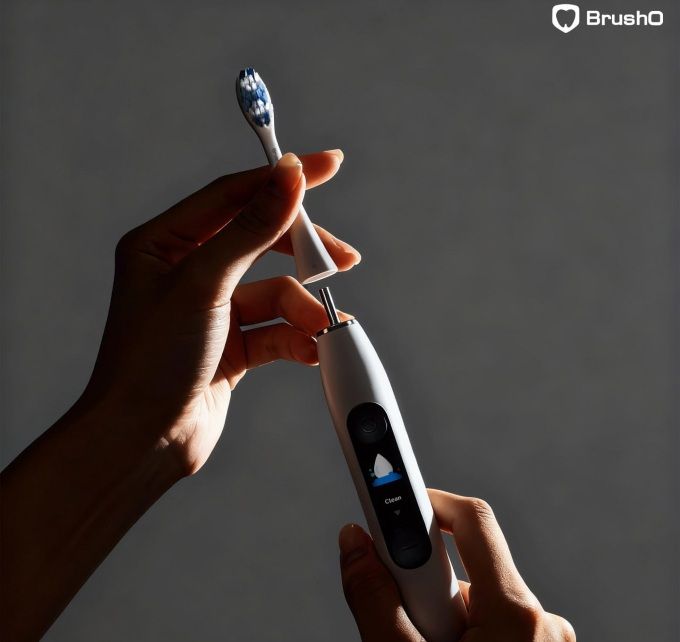
When sugar is consumed, it interacts with bacteria in your mouth to form acids. These acids:
• Erode enamel over time
• Create ideal conditions for cavities to form
• Lead to sensitive teeth and gum irritation
Note: Even “healthy” sugars like honey or fruit juice can trigger these effects if oral hygiene is not properly maintained.
Sugar makes plaque more adhesive and harder to remove. Left untreated, this can result in:
• Gum inflammation (gingivitis)
• Tartar formation
• Long-term periodontal disease
Frequent sugar intake lowers the pH level in your mouth, reducing its ability to neutralize acids. This:
• Weakens your teeth’s natural defenses
• Increases the risk of demineralization
• Slows down natural saliva repair mechanisms
Most people brush their teeth twice a day — yet cavities remain among the most common global health issues. Why? Because brushing:
• Often misses sugar-laden zones (like molars or gumline)
• Is rushed and inconsistent
• Doesn’t adapt based on dietary changes
BrushO’s AI-powered brushing system offers a new layer of defense against sugar damage:
BrushO tracks each area of your mouth to ensure plaque-prone zones receive enough attention.
Visual heatmaps show where sugar damage is likely accumulating — and where you may be underbrushing.
Get daily scores based on brushing time, pressure, and coverage to keep your oral care on track — especially after sugar-heavy meals.
Children are particularly vulnerable to sugar damage. Studies show:
• Tooth decay is the #1 chronic disease in children worldwide
• 90% of cavities in kids are linked to dietary sugar
• Poor habits in childhood often persist into adulthood
BrushO for Kids includes reward-based brushing encouragement and friendly visuals to make post-snack brushing fun and effective.
Here are simple, science-backed steps to safeguard your teeth:
• Rinse your mouth with water after sugary snacks
• Avoid sipping sugary drinks throughout the day
• Use BrushO to brush 30 minutes after sugar intake
• Choose high-fiber foods that naturally cleanse teeth
• Monitor sugar intake from sauces, cereals, and drinks
Sugar may be hard to resist — but its oral health consequences are not inevitable. With the help of BrushO, you can brush smarter, target damage zones, and stay ahead of plaque before it turns into a serious problem.
Jul 30
Jul 30
Jul 29
Jul 22
Jul 19
Jul 17

If you are thirsty after brushing, choose plain water. Plan your usual bedtime drink before brushing and skip the immediate rinse at the sink.

Waterpik recommends warm water for its flossers. Check your own model and use comfortably lukewarm water if cold water feels sharp.

Let an intact handle return to room temperature before you consider charging it. Check your manual and watch for signs of battery or housing damage.

Lift away the paste, check the care label, and use cool water on washable fabric. Here is a quick approach for a fresh spot.

Turn the brush off, then check the fit, the connection, and the condition of the head. A second compatible head can help you narrow it down.

Look for a clean, rigid container with a secure lid and keep it with your belongings. A napkin on a lunch tray is easy to clear away.

Check the care directions for your clear retainer. Clinics give different instructions, and the right cleaning method depends on the appliance you received.

Try a gentle rinse first. If the hull sits between teeth and floss moves freely, make a careful pass and stop if it still feels stuck.

A tight gap or rough edge can catch floss. Notice where it snags, keep the movement gentle, and find out when to ask your dentist to check.

Your first sip can taste sharp after brushing. Here is what may be changing and how to make breakfast taste like breakfast again.

BrushO AI ইলেকট্রিক টুথব্রাশ রিয়েল-টাইম ব্রাশিং গাইড, চাপের ফিডব্যাক, কভারেজ ট্র্যাকিং এবং অ্যাপ-ভিত্তিক অগ্রগতি রিপোর্ট দেয়, যাতে দৈনন্দিন রুটিন আরও পরিষ্কার ও সহজ হয়।
BrushO AI ইলেকট্রিক টুথব্রাশ রিয়েল-টাইম ব্রাশিং গাইড, চাপের ফিডব্যাক, কভারেজ ট্র্যাকিং এবং অ্যাপ-ভিত্তিক অগ্রগতি রিপোর্ট দেয়, যাতে দৈনন্দিন রুটিন আরও পরিষ্কার ও সহজ হয়।


Address: RM 1427, 14/F RADIO CITY 505, HENNESSY RD CAUSEWAY BAY, HONG KONG
Code: 000000
Phone: +852-53758652
Email: customerservice@brusho.com