
Jul 30
Jul 30
Jul 29
Jul 22
Jul 19
Jul 17
Dental plaque may be invisible at first, but it plays a central role in nearly every oral health problem—from bad breath and cavities to gum disease and tooth loss. In this article, we’ll explore the science behind plaque formation, how lifestyle choices affect it, and how smart toothbrushes like BrushO help stop plaque before it causes lasting harm. Whether you’re brushing for prevention or recovery, understanding plaque is the foundation of a healthier smile.
Dental plaque is a soft, sticky film that forms on your teeth every single day. It’s made up of:
• Bacteria (especially Streptococcus mutans)
• Saliva proteins
• Food particles and sugars
Plaque begins forming within minutes after brushing and can harden into tartar if not removed within 24–72 hours.
Right after brushing, your teeth are coated by a thin protein layer from your saliva called the acquired pellicle. This layer protects enamel but also creates a surface for bacteria to attach.
Oral bacterial adhere to the pellicle and begin feeding on leftover sugars from food and drinks. They multiply rapidly and produce acids and sticky substances called extracellular polysaccharides.
As the bacteria colony grows, it forms a structured biofilm—what we call plaque. The biofilm becomes increasingly acidic and resistant to removal.
If plaque is not removed in time, it calcifies due to minerals in your saliva, forming tartar (calculus), which can only be removed professionally.
Unchecked plaque leads to:
• Cavities: Acids demineralize enamel and dentin.
• Gum Disease: Bacteria trigger inflammation, bleeding, and gum recession.
• Halitosis: Volatile sulfur compounds from bacterial breakdown cause bad breath.
• Systemic Health Risks: Chronic gum inflammation has been linked to heart disease, diabetes, and even Alzheimer’s.
Plaque tends to accumulate in hard-to-reach areas:
• Between teeth (interdental spaces)
• Along the gumline
• Behind molars
• On tongue surfaces
• Around dental restorations and braces
That’s why traditional brushing habits often leave key areas untreated.
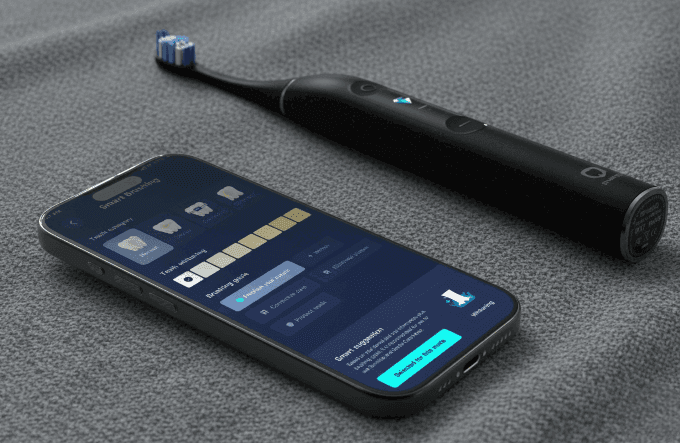
BrushO’s advanced sensors and algorithm analyze:
• Brushing zones (6-zone, 16-surface tracking)
• Coverage (to ensure no area is missed)
• Pressure (to prevent gum and enamel damage)
• Timing (to meet the full 2-minute guideline)
The BrushO app provides real-time feedback and daily brushing scores, making plaque removal more accurate and consistent than ever.
• Floss Daily: Only floss can remove plaque between teeth.
• Use Fluoride Toothpaste: Fluoride strengthens enamel and prevents bacterial acid erosion.
• Brush Before Bed: Saliva flow decreases at night, making plaque more damaging.
• Limit Sugar & Starch Intake: Less fuel for bacteria means slower plaque growth.
• Hydrate Often: Water helps wash away debris and neutralize acids.
• Regular Dental Cleanings: Remove hardened tartar and monitor early signs of buildup.
Unlike manual brushing that relies on guesswork, BrushO uses data to enhance oral hygiene routines. You receive:
• Zone-specific guidance
• Real-time feedback on pressure and duration
• Long-term habit tracking and brushing scores
• Motivation via the BrushO Reward System, turning consistency into redeemable points
Plaque may be invisible, but its impact is very real. Left untreated, it leads to cavities, gum disease, and long-term oral health problems. But with modern smart brushing tools like BrushO, you can disrupt plaque formation early, ensure full-mouth coverage, and protect your smile for life.
Jan 27
Jan 27
Jul 30
Jul 30
Jul 29
Jul 22
Jul 19
Jul 17

PPM describes concentration, not the amount to put on the brush. Learn how to read fluoride information while keeping regional guidance and individual advice in view.

That forgotten tube deserves a label check. Learn what toothpaste shelf-life information refers to, why storage matters, and how to avoid guessing from appearance.

Clear gel or opaque paste? Texture is only one feature. Learn which label details matter when comparing toothpastes for your brushing routine.

Minty toothpaste can create a cooling sensation without being chilled. Explore what menthol does and why a fresh feeling is different from complete cleaning.

The sound of a powered brush comes with its moving mechanism. Learn how normal operating noise differs from alerts or an unexpected change that needs checking.

Toothpaste on the mirror? Check when you switch the brush on and off, how you position it, and how to pause without rushing your routine.

A whitening brushing program and a bleaching treatment are different things. Learn how to interpret mode names, surface-stain claims, and realistic expectations.

A tiny cluster of bristles serves a different purpose from a full-size head. Learn where a single-tuft brush may fit into an individually recommended cleaning routine.

Angled tufts, different bristle heights, and the angle of your hand are separate design questions. Learn how to read a toothbrush-head description clearly.

A larger head is not an automatic shortcut to cleaner teeth. Learn how head size affects access, positioning, and the fit of your daily brushing routine.

BrushO AI ইলেকট্রিক টুথব্রাশ রিয়েল-টাইম ব্রাশিং গাইড, চাপের ফিডব্যাক, কভারেজ ট্র্যাকিং এবং অ্যাপ-ভিত্তিক অগ্রগতি রিপোর্ট দেয়, যাতে দৈনন্দিন রুটিন আরও পরিষ্কার ও সহজ হয়।
BrushO AI ইলেকট্রিক টুথব্রাশ রিয়েল-টাইম ব্রাশিং গাইড, চাপের ফিডব্যাক, কভারেজ ট্র্যাকিং এবং অ্যাপ-ভিত্তিক অগ্রগতি রিপোর্ট দেয়, যাতে দৈনন্দিন রুটিন আরও পরিষ্কার ও সহজ হয়।


Address: RM 1427, 14/F RADIO CITY 505, HENNESSY RD CAUSEWAY BAY, HONG KONG
Code: 000000
Phone: +852-53758652
Email: customerservice@brusho.com