
Jul 30
Jul 30
Jul 29
Jul 22
Jul 19
Jul 17
Tongue scrapers are gaining popularity in modern oral care routines—but are they actually effective? Research suggests that the tongue harbors up to 50% of the bacteria in the mouth, contributing to bad breath, plaque formation, and even oral infections. Unlike brushing alone, scraping the tongue can remove a significant layer of biofilm that traps odor-causing compounds. In this article, we break down what tongue scrapers do, how they work, what dentists say, and how you can integrate this simple yet powerful step into your daily brushing routine—especially when paired with AI-powered tools like BrushO.
A tongue scraper is a tool designed to clean the surface of the tongue by physically removing:
• Bacteria
• Food debris
• Dead cells
• Volatile sulfur compounds (VSCs), which cause bad breath
Tongue scrapers are typically made from plastic, stainless steel, or copper and are used by dragging gently from the back of the tongue to the tip.
The tongue’s rough, grooved surface (especially the posterior third) traps:
• Anaerobic bacteria that thrive without oxygen
• Debris that contributes to a white or yellow tongue coating
• Compounds responsible for halitosis (bad breath)
• Tongue cleaning can reduce VSCs by up to 75% when done consistently.
• Tongue scraping is more effective than brushing the tongue with a toothbrush.
✅ Clinical Evidence:
• A 2004 study in the Journal of Periodontology found that tongue scrapers were more effective than toothbrushes at reducing odor-causing bacteria.
• The American Dental Association (ADA) recommends tongue cleaning as part of a comprehensive oral hygiene routine.
🚫 But Remember:
• Tongue scraping is not a replacement for brushing and flossing, but rather a complementary step.
• It’s most effective in the morning, when bacteria have built up overnight.
| Benefit | Explanation |
| ✅ Fights bad breath | Removes sulfur-producing bacteria |
| ✅ Improves taste sensitivity | Clears taste buds of debris |
| ✅ Reduces plaque formation | Minimizes bacterial re-colonization |
| ✅ Boosts oral cleanliness | Completes your hygiene routine |
| ✅ May reduce systemic inflammation | Decreases total oral bacterial load |
1. Brush and floss your teeth first.
2. Stick out your tongue as far as possible.
3. Place the scraper at the back of your tongue.
4. Gently pull it forward using light pressure.
5. Rinse the scraper under water after each pass.
6. Repeat 3–5 times until the tongue is visibly clean.
7. Finish by rinsing your mouth or using mouthwash.
⚠️ Avoid scraping too hard—it may irritate the tongue or cause minor cuts.
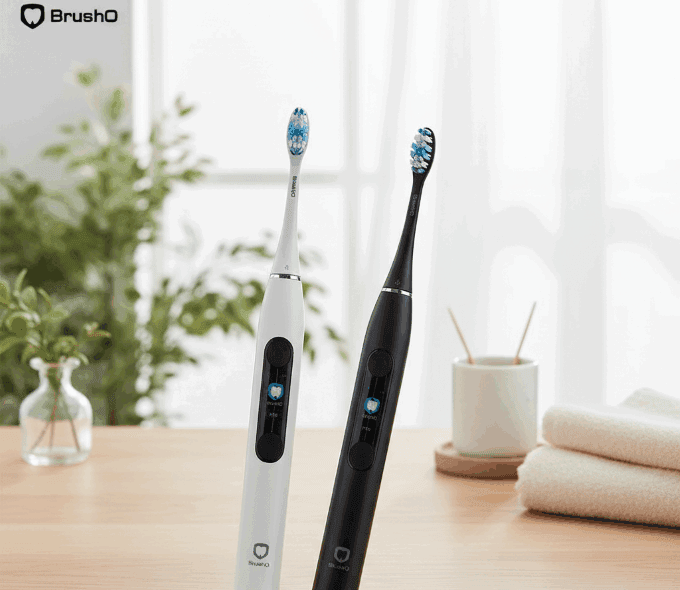
While BrushO does not yet include a built-in tongue scraping tool, its app-based ecosystem educates users on complete oral hygiene, including tongue care.
📲 App tips: Track full oral care habits—including tongue cleaning reminders
🎯 Routine coaching: Customizes routines based on user behavior
🪥 AI-guided brushing: Ensures all areas are cleaned properly before tongue cleaning
Integrating manual tools like tongue scrapers with AI-powered brushes ensures full-spectrum oral health.
Yes—tongue scrapers do work, especially for people prone to:
• Morning breath
• Dry mouth
• Thick tongue coatings
• High-sulfur diets (e.g., garlic, onions)
They’re inexpensive, easy to use, and backed by science as an effective tool to support overall oral hygiene.
Jan 30
Jan 30
Jul 30
Jul 30
Jul 29
Jul 22
Jul 19
Jul 17

PPM describes concentration, not the amount to put on the brush. Learn how to read fluoride information while keeping regional guidance and individual advice in view.

That forgotten tube deserves a label check. Learn what toothpaste shelf-life information refers to, why storage matters, and how to avoid guessing from appearance.

Clear gel or opaque paste? Texture is only one feature. Learn which label details matter when comparing toothpastes for your brushing routine.

Minty toothpaste can create a cooling sensation without being chilled. Explore what menthol does and why a fresh feeling is different from complete cleaning.

The sound of a powered brush comes with its moving mechanism. Learn how normal operating noise differs from alerts or an unexpected change that needs checking.

Toothpaste on the mirror? Check when you switch the brush on and off, how you position it, and how to pause without rushing your routine.

A whitening brushing program and a bleaching treatment are different things. Learn how to interpret mode names, surface-stain claims, and realistic expectations.

A tiny cluster of bristles serves a different purpose from a full-size head. Learn where a single-tuft brush may fit into an individually recommended cleaning routine.

Angled tufts, different bristle heights, and the angle of your hand are separate design questions. Learn how to read a toothbrush-head description clearly.

A larger head is not an automatic shortcut to cleaner teeth. Learn how head size affects access, positioning, and the fit of your daily brushing routine.

BrushO AI ইলেকট্রিক টুথব্রাশ রিয়েল-টাইম ব্রাশিং গাইড, চাপের ফিডব্যাক, কভারেজ ট্র্যাকিং এবং অ্যাপ-ভিত্তিক অগ্রগতি রিপোর্ট দেয়, যাতে দৈনন্দিন রুটিন আরও পরিষ্কার ও সহজ হয়।
BrushO AI ইলেকট্রিক টুথব্রাশ রিয়েল-টাইম ব্রাশিং গাইড, চাপের ফিডব্যাক, কভারেজ ট্র্যাকিং এবং অ্যাপ-ভিত্তিক অগ্রগতি রিপোর্ট দেয়, যাতে দৈনন্দিন রুটিন আরও পরিষ্কার ও সহজ হয়।


Address: RM 1427, 14/F RADIO CITY 505, HENNESSY RD CAUSEWAY BAY, HONG KONG
Code: 000000
Phone: +852-53758652
Email: customerservice@brusho.com